
Navigating Europe's Hungary Conundrum: Beyond Orbán's Reign

As Hungary's divisive leader Viktor Orbán faces a crucial election, the EU's long-standing troubles with the country may not be resolved even if he is ousted. Explore the complexities behind this ongoing challenge.
While the removal of Hungary's contentious leader Viktor Orbán in the upcoming election could offer some relief, the EU's troubles with the country are unlikely to disappear overnight. As European leaders gather for another summit that will be partly dominated by the Orbán issue, it's clear that the bloc's Hungary problem runs deeper than just one man.
Orbán, Hungary's illiberal prime minister, has been a thorn in the EU's side for years, challenging the bloc's democratic values and principles. His authoritarian tendencies, crackdown on media freedom, and nationalist rhetoric have put him at odds with Brussels. However, even if Orbán is ousted, the underlying issues that have fueled his rise and the tensions between Hungary and the EU will likely persist.
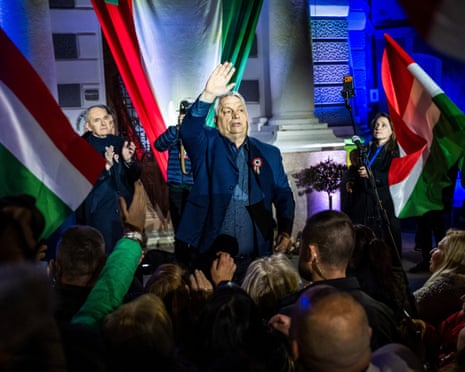
The EU's Hungary problem is multifaceted and deeply rooted. Orbán's populist policies and authoritarian leanings have resonated with a significant portion of the Hungarian electorate, who see him as a champion of their national interests against the perceived overreach of the EU. This divide between Hungary and the EU has been a persistent challenge, and it's unlikely to be resolved simply by removing Orbán from power.
Moreover, the systemic issues within Hungary's political and social fabric that have enabled Orbán's rise will not necessarily disappear with his departure. The underlying tensions between Hungary's nationalist sentiments and the EU's liberal democratic values will continue to be a source of friction, requiring a more comprehensive and nuanced approach to address the country's complexities.
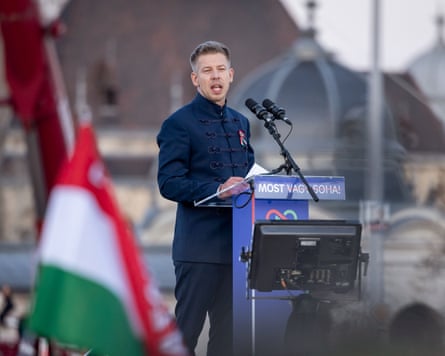
As EU leaders grapple with this ongoing challenge, they will need to navigate the delicate balance between respecting Hungary's sovereignty and upholding the bloc's democratic principles. This will require a strategic and multilateral approach, engaging with a wide range of stakeholders within Hungary and across the EU to find common ground and chart a path forward that addresses the root causes of the tensions.
Ultimately, the EU's Hungary problem is not a simple issue that can be solved by the removal of a single individual. It is a complex, multifaceted challenge that will require sustained effort, nuanced diplomacy, and a willingness to address the deeper sociopolitical divisions that have fueled Orbán's rise and the broader tensions between Hungary and the EU.
Source: The Guardian


