
Navigating the AI-Fueled Misinformation War: 3 Rules to Discern Truth from Fiction

As AI-generated fake images run rampant, it's crucial to separate fact from fiction. Explore 3 key rules to help you identify authentic vs. manipulated content during the Iran-Israel conflict coverage.
In the midst of heightened tensions between Iran and Israel, a new battleground has emerged - one of misinformation and deception powered by advanced AI technology. Fake videos and images, often indistinguishable from the real thing, are spreading like wildfire across social media, sowing confusion and undermining trust in the coverage of this critical geopolitical situation.
But as Margaret Sullivan outlines, there are strategies we can employ to navigate this treacherous landscape and discern truth from fiction. By adhering to three essential rules, we can become more discerning consumers of news and media, ensuring we are informed by facts rather than manipulated by AI-generated falsehoods.
Rule 1: Scrutinize the Source
When confronted with a seemingly authentic video or image, the first step is to closely examine the source. Is it coming from a reputable, well-established news outlet with a proven track record of accuracy and transparency? Or is it being shared by an anonymous social media account or a less reliable source? Credible journalistic outlets will typically have rigorous fact-checking processes in place to verify the authenticity of their content.
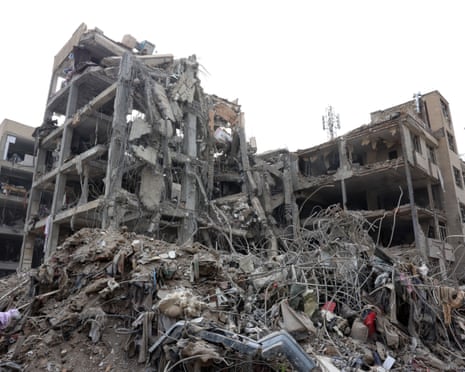
Rule 2: Look for Inconsistencies and Anomalies
Even the most convincing AI-generated content will often contain subtle flaws or discrepancies that can be detected by a discerning eye. Carefully scrutinize the details - are there any inconsistencies in lighting, shadows, or perspective that don't quite add up? Do the movements or expressions of the people in the image or video appear unnatural or robotic? These are telltale signs that the content may have been manipulated or fabricated.

Rule 3: Seek Corroborating Evidence
In an era of information overload, it's crucial to cross-reference multiple credible sources to verify the accuracy of a claim or the authenticity of visual content. Look for reports from reputable news outlets that provide additional context, quotes, and evidence to support or refute the narrative being presented. Relying on a single source, especially one that may have an agenda or a history of spreading misinformation, is a recipe for being misled.
By diligently applying these three rules - scrutinizing the source, identifying inconsistencies, and seeking corroborating evidence - we can become more discerning consumers of news and media, capable of separating fact from fiction, even in the face of increasingly sophisticated AI-generated misinformation. In the high-stakes context of the Iran-Israel conflict, this ability to distinguish truth from deception is more crucial than ever.
Remember, the war on truth is being fought not just on the physical battlefield, but in the digital realm as well. By staying vigilant and employing these strategies, we can emerge as informed and empowered citizens, better equipped to navigate the treacherous landscape of modern information warfare.


