
Nigerian Politics Shifts as Obi and Kwankwaso Switch Parties

Major political realignment in Nigeria as Peter Obi and Rabiu Kwankwaso, recent third and fourth-place finishers, announce party switches, reshaping the nation's electoral landscape.
The Nigerian political landscape is undergoing a dramatic transformation as two prominent opposition figures announce significant party realignments. Peter Obi and Rabiu Kwankwaso, who finished third and fourth respectively in Nigeria's most recent presidential elections, have made the decision to switch their political affiliations, signaling a major shake-up in the nation's electoral dynamics and potentially altering the trajectory of future political competitions.
This development represents one of the most consequential party realignment moves in recent Nigerian political history. The decisions by both Obi and Kwankwaso come at a critical juncture for the opposition, as these figures have maintained substantial political influence and supporter bases throughout their respective regions. Their moves suggest growing recognition among opposition leaders that strategic consolidation may be necessary to challenge the incumbent administration more effectively in upcoming electoral cycles.
Peter Obi's political journey has been marked by consistent advocacy for economic reform and anti-corruption measures. His previous strong showing in the last presidential race demonstrated considerable appeal among younger voters and urban populations, particularly in the southern regions of the country. By switching parties, Obi appears to be positioning himself within a political structure he believes offers better opportunities for advancing his political agenda and amplifying his message to the electorate.
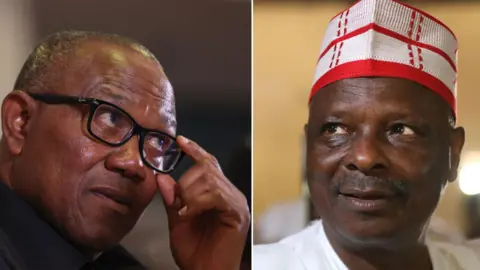
Rabiu Kwankwaso, a former governor with deep roots in northern Nigeria, brings his own significant political credentials and regional influence to this realignment. Known for his focus on security issues and development initiatives, Kwankwaso's decision to change parties reflects his assessment that a new political home will better serve his political ambitions and allow him to address the pressing concerns of his constituency more effectively. His departure from his previous party carries particular significance given his long-standing presence within that political organization.
The timing of these political party switches carries substantial implications for Nigeria's opposition landscape. As the ruling party consolidates power at the federal level, the opposition has faced mounting pressure to strengthen its internal cohesion and present a more unified front. The movements by Obi and Kwankwaso could be viewed as acknowledgment of this reality, suggesting that opposition unity may require significant restructuring and realignment rather than minor tactical adjustments.
Political analysts have begun weighing the potential ramifications of these party changes on the broader Nigerian electoral system. The consolidation of opposition leadership within new party structures could fundamentally alter the dynamics of future campaigns, potentially creating new coalition possibilities and shifting the strategic calculations of various political actors. These developments also raise questions about the sustainability of individual opposition parties and whether further consolidation might occur in the months ahead.
The opposition realignment in Nigeria reflects broader patterns seen in other African democracies, where opposition parties frequently reorganize in response to electoral defeats and changing political circumstances. However, the specific nature of these switches—involving two nationally prominent figures with distinct regional bases—suggests a more fundamental restructuring of opposition politics rather than typical post-election repositioning. This development indicates that opposition strategists are implementing comprehensive changes to their political approach.
Regional politics in Nigeria are likely to experience significant shifts as a result of these party switches. Obi's departure from his previous party could reshape political dynamics in the southeast, where his support had been particularly concentrated, while Kwankwaso's move carries implications for the political balance in the northwest. These regional realignments may cascade into broader changes in local and state-level politics as other politicians recalculate their own party affiliations in light of these major moves.
The Nigerian political system has historically been characterized by relatively fluid party structures, where politicians frequently change affiliations in pursuit of power or influence. However, the magnitude of Obi and Kwankwaso's switches—given their status as recent major presidential candidates—suggests that current political circumstances have created sufficient incentive for even prominent figures to undertake what would normally be risky career moves. This willingness to shift parties indicates the depth of dissatisfaction with current political arrangements within opposition circles.

Looking ahead, the success or failure of these party switches will largely depend on how effectively Obi and Kwankwaso can integrate their support bases with their new political homes. If the transitions prove successful, these moves could herald a period of significant opposition renewal and potentially create a stronger vehicle for challenging government policies. Conversely, if integration proves difficult or if supporters fail to follow these leaders into their new parties, the switches could ultimately weaken both individuals' political positions.
The broader implications of these political party changes in Nigeria extend beyond the immediate electoral calculus. These moves signal to other opposition figures that maintaining loyalty to traditional party structures may no longer be optimal, potentially triggering additional realignments in the coming months. The political landscape will continue to evolve as various actors respond to the new competitive environment created by Obi and Kwankwaso's decisions, setting the stage for a dramatically different opposition configuration ahead of future elections.
Source: BBC News


