
Norwegian Fish Farms: Fjord Pollution Crisis Exposed

Norwegian aquaculture releases massive nutrient pollution equivalent to raw sewage from millions of people annually, new report reveals.
A comprehensive investigation into Norwegian fish farms has unveiled a troubling environmental crisis in the country's coastal ecosystems. According to a detailed report from the Sunstone Institute, aquaculture operations are discharging staggering quantities of nutrient-rich waste into fjords and surrounding waters, creating pollution levels that researchers compare to the untreated sewage output of massive population centers. The findings reveal the scope of environmental degradation occurring beneath the surface of one of the world's most pristine-seeming nations.
Norway holds the distinction of being the world's largest farmed salmon producer, a position built on decades of aquaculture expansion and technological advancement. However, this industrial success has come at a significant environmental cost that has largely remained hidden from public scrutiny. The nutrient-heavy fish feed used in these operations is not fully absorbed by the farmed salmon; instead, substantial portions pass directly into the surrounding coastal waters, creating zones of elevated nutrient concentration that fundamentally alter local marine ecosystems.
The 2025 analysis conducted by the Sunstone Institute paints a stark picture of the scale involved. Data collected throughout the year shows that Norwegian aquaculture facilities released approximately 75,000 tonnes of nitrogen into coastal waters. This staggering figure is complemented by the discharge of 13,000 tonnes of phosphorus and an enormous 360,000 tonnes of organic carbon. To contextualize these numbers, researchers have calculated that the total nutrient load from fish farming operations equates to the raw sewage output of entire countries, including those comparable in population size to Australia.

The concept of "fish sludge" has emerged as a critical descriptor for the accumulated organic matter and waste byproducts that settle on fjord bottoms beneath and around farm sites. This sedimentary layer represents both a direct consequence of aquaculture waste pollution and a persistent environmental burden that continues to impact local ecosystems long after the waste leaves the farm pens. The sludge contains high concentrations of uneaten feed, fish excrement, and decomposing organic matter that fundamentally alter the chemical composition of fjord sediments and overlying waters.
Environmental scientists have expressed considerable concern about the implications of these nutrient pollution levels in fjord ecosystems. When excessive nitrogen and phosphorus enter waterways, they trigger algal blooms that can deplete oxygen levels and create dead zones where aquatic life cannot survive. The organic carbon contributes to anaerobic decomposition processes that generate methane and hydrogen sulfide, further degrading water quality. These cascading effects threaten not only wild salmon populations that share fjords with farm sites, but also broader marine biodiversity and ecosystem health.
The comparison to municipal sewage pollution is not merely rhetorical but reflects genuine scientific analysis of nutrient loading. Untreated wastewater from human populations typically contains similar nitrogen and phosphorus ratios to what Norwegian fish farms release, yet aquaculture operations face significantly less regulatory oversight and treatment requirements. This disparity raises important questions about environmental justice and the differential standards applied to industrial agricultural operations versus traditional pollution sources.
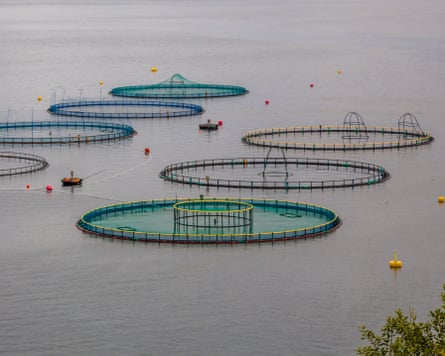
The Norwegian government's regulatory approach to fish farm environmental impact has long been criticized by environmental advocates as insufficient. While operators are required to maintain certain standards, the sheer volume of facilities and the distributed nature of aquaculture pollution make comprehensive monitoring and enforcement challenging. Additionally, the economic importance of the salmon farming industry to Norway's economy and employment provides powerful incentives to maintain favorable regulatory conditions for producers, potentially at the expense of stricter environmental protections.
Recent environmental assessments have highlighted the particular vulnerability of Norway's fjord ecosystems to nutrient pollution. These geologically distinctive waterways have limited water exchange with the open ocean, meaning that pollutants can accumulate and persist for extended periods. The deep, enclosed nature of many fjords creates conditions where nutrient-rich farm effluent can remain concentrated near the seafloor, creating persistent oxygen depletion zones that prevent natural recovery. Unlike open ocean environments where pollutants might be more readily dispersed, fjords concentrate and amplify the impacts of aquaculture discharge.
The relationship between salmon farming operations and wild salmon populations represents another critical dimension of this environmental problem. Nutrient pollution from fish farms contributes to ecosystem changes that can harm wild salmon at various life stages, from eggs and juveniles to returning adults. Furthermore, escaped farm salmon compete with wild populations for resources, and parasites originating in farm populations can spread to wild stocks. The cumulative effect of these multiple stressors has contributed to documented declines in many Norwegian wild salmon populations over recent decades.
Industry representatives argue that fish farming remains significantly more efficient in terms of protein production compared to land-based livestock agriculture, and that the sector plays a crucial role in global food security. They point to ongoing technological improvements and environmental management practices aimed at reducing waste. Some farms have implemented innovations such as underwater sensors, improved feed formulations, and waste collection systems to minimize environmental impact. However, environmental scientists contend that these incremental improvements, while valuable, do not fundamentally address the scale of nutrient loading occurring across the industry.
The Sunstone Institute report arrives at a critical moment for discussions about Norway's aquaculture future. International pressure regarding environmental protection, combined with growing domestic concern about fjord health and wild salmon conservation, is creating momentum for potentially more stringent regulations. Some environmental organizations are calling for production caps, stricter licensing requirements, or even selective farm closures in particularly sensitive ecosystems. The Norwegian government faces difficult decisions about balancing economic interests with environmental sustainability and ecosystem protection.
Looking forward, the data on coastal water nutrient pollution from aquaculture operations will likely inform regulatory discussions and industry standards in Norway and internationally. As other salmon-producing nations including Chile, Canada, and Scotland face similar environmental challenges, the Norwegian situation serves as a cautionary case study. The need for innovative solutions—from improved waste management technologies to alternative production methods—has become increasingly apparent to policymakers and environmental stakeholders alike.
The environmental crisis revealed by the Sunstone Institute analysis represents a fundamental challenge to the sustainability model of industrial aquaculture as currently practiced in Norwegian waters. The scale of nutrient pollution documented in the report—equivalent to the sewage output of a nation-sized population—cannot be dismissed as an acceptable externality of food production. As coastal communities, environmental scientists, and the global public increasingly demand accountability for environmental impacts of food systems, the Norwegian aquaculture industry faces mounting pressure to fundamentally transform its operational practices and environmental footprint.
Source: The Guardian


