
Nvidia CEO Joins Trump's China Mission

Jensen Huang added to Trump's delegation with Elon Musk and Tim Cook, signaling US tech and AI priorities in critical China talks.
In a significant development underscoring America's technological priorities, Jensen Huang, the influential chief executive of semiconductor giant Nvidia, has been added to Donald Trump's delegation for a crucial visit to China. The last-minute invitation to Huang reflects the strategic importance the United States places on its AI and technology sector during high-stakes diplomatic negotiations with Beijing's leadership. This move demonstrates how deeply intertwined technology and geopolitics have become in contemporary international relations.
The composition of Trump's delegation reveals the administration's laser focus on artificial intelligence and advanced computing capabilities as core elements of American economic and strategic strength. Huang's inclusion alongside other titans of industry signals that semiconductors and AI innovation are central to the talks with Chinese President Xi Jinping. The 36-hour meeting represents a critical moment in US-China relations, with tech innovation serving as both a point of contention and potential collaboration.
Joining Huang in this high-profile delegation are several other marquee figures from the American business world. Tesla's visionary chief executive and X (formerly Twitter) owner Elon Musk brings his perspective on electric vehicles, renewable energy, and space exploration. Apple's Tim Cook represents the consumer technology and supply chain considerations that deeply affect US-China trade relations. Goldman Sachs chairman David Solomon rounds out the group, providing financial sector expertise and insights into capital markets and economic policy.
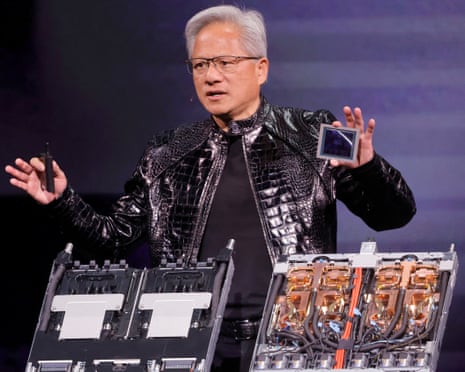
The Nvidia CEO's participation in this delegation carries particular significance given the company's dominance in the semiconductor industry and its crucial role in powering artificial intelligence systems worldwide. Nvidia has become increasingly central to the global competition for AI supremacy, with its GPUs being essential to training and deploying advanced machine learning models. The inclusion of Huang underscores how semiconductors have become a flashpoint in US-China technological competition, with export controls and supply chain issues creating ongoing friction between the two nations.
The reported last-minute nature of Huang's invitation adds an intriguing dimension to the narrative. This suggests that Trump's team recognized during the planning process the critical need to include a voice from the semiconductor and AI sectors. It reflects an understanding that any substantive discussion about trade, technology transfer, and commercial relationships between the United States and China must include perspectives from those at the forefront of the AI revolution. The timing of his addition to the delegation may indicate shifting priorities or newly identified negotiating points related to semiconductor manufacturing and AI development.
This delegation composition tells a broader story about what the Trump administration views as America's competitive advantages and strategic imperatives. Rather than focusing solely on traditional industries or financial services, the emphasis on technology leaders and innovation-focused executives demonstrates a recognition that the future of US-China relations will be largely determined by who controls the most advanced technologies. Artificial intelligence, semiconductors, and cutting-edge computing capabilities are perceived as the battlegrounds where global dominance will be contested in coming decades.
The geopolitical context surrounding this visit cannot be overlooked. The United States and China have been locked in an ongoing competition for technological supremacy, with semiconductor manufacturing and artificial intelligence emerging as particularly contentious areas. American companies have faced restrictions on selling certain advanced chips to China, while China has sought to develop indigenous capabilities to reduce its dependence on foreign technology. These tensions have created a complex landscape where commercial interests, national security concerns, and economic competition all intersect.
Nvidia's role in this delegation is particularly noteworthy because the company operates in a genuinely global marketplace. While headquartered in California, Nvidia depends on supply chains that span multiple continents and has significant business relationships with Chinese companies and customers. Huang's presence on the delegation suggests that discussions may extend beyond pure geopolitics to include practical considerations about how American technology companies can operate in the Chinese market while maintaining American security interests and competitive advantages.
The inclusion of these specific executives also reflects the reality that many of America's most valuable companies have deep operational and commercial ties to China. Apple manufactures much of its products in China, Tesla operates significant manufacturing and sales operations there, and Goldman Sachs has substantial financial interests in Chinese markets. These business leaders bring nuanced perspectives shaped by their direct experience navigating the complexities of doing business in China while serving American shareholders and stakeholders.
The symbolism of bringing tech leaders to these talks is powerful. It sends a message both domestically and internationally about what the Trump administration considers the foundation of American power and prosperity. By elevating the voices of technology innovation leaders, the delegation emphasizes that America's future depends on maintaining advantages in cutting-edge fields rather than in traditional manufacturing or commodities. This strategic positioning reflects broader trends in how developed economies compete in the 21st century.
Looking forward, the outcomes of these discussions could have far-reaching implications for the technology industry and international commerce. Any agreements or understandings reached during Trump's visit to China could affect trade policies, supply chain arrangements, intellectual property protections, and investment opportunities. The presence of industry leaders like Huang, Musk, and Cook suggests that these discussions may move beyond abstract policy considerations to address concrete commercial and operational concerns that American tech companies face in Chinese markets.
The decision to include a semiconductor executive of Huang's stature also highlights the critical importance of the semiconductor industry to both American economic competitiveness and national security. Semiconductors are fundamental to virtually every aspect of modern technology, from smartphones to artificial intelligence systems. As competition for semiconductor leadership intensifies between the United States and China, having voices from companies like Nvidia at the highest levels of diplomatic negotiation reflects an understanding of these stakes. Huang's expertise and industry perspective could prove invaluable in discussions about technology standards, export policies, and intellectual property frameworks that will shape US-China technology relations for years to come.
Source: The Guardian


