
Oil Prices Surge as Trump Issues Iran Ultimatum

Energy markets volatile as Trump warns time running out on Iran negotiations. Strait of Hormuz closure threatens global oil supply and pushes prices higher.
Global oil prices have experienced significant volatility in recent trading sessions as geopolitical tensions continue to dominate market sentiment. The surge in energy costs comes amid mounting pressure from diplomatic circles, particularly following high-profile warnings regarding the status of ongoing negotiations with Iran. Market analysts are closely monitoring the situation as it unfolds, recognizing that any escalation could have far-reaching consequences for the worldwide energy sector and consumer markets.
The catalyst for the latest market movement stems from increasingly urgent rhetoric surrounding peace talks with Tehran. Officials have indicated that time constraints are becoming a critical factor in the negotiation process, with suggestions that windows of opportunity may be closing. This geopolitical uncertainty has created a ripple effect throughout commodity markets, driving investors to reassess their positions and adjust their strategies accordingly. The messaging has been interpreted by traders as signaling a potential hardening of diplomatic positions on multiple sides.
One of the most critical factors affecting oil markets remains the status of the Strait of Hormuz, one of the world's most strategically important maritime passages. This waterway, which connects the Persian Gulf to the Gulf of Oman, is responsible for facilitating the transit of approximately one-third of global seaborne crude oil and liquefied natural gas. Currently, the strait remains effectively closed or severely restricted, creating substantial concerns about supply chain disruptions and potential shortages in the global energy market.
The closure of this vital shipping lane represents an unprecedented challenge for the global energy supply chain. When such disruptions occur, they immediately trigger inflationary pressures across multiple economic sectors, as transportation and energy costs increase. This cascading effect influences everything from manufacturing to consumer goods pricing, making the situation a matter of significant economic concern far beyond the energy sector itself. Market participants are acutely aware that prolonged disruption could accelerate inflation throughout developed and developing economies alike.
Crude oil futures have responded sharply to these developments, with prices climbing as traders price in the increased risk premium associated with supply uncertainty. The energy market volatility has been particularly pronounced, with swings in daily trading reflecting the underlying anxiety about potential supply disruptions. Investors are grappling with competing forces: the fundamental need to maintain adequate oil supplies against the backdrop of reduced availability through normal trading channels. This tension between supply and demand fundamentals is driving prices upward despite broader economic headwinds.
Historical precedent suggests that disruptions to Middle Eastern energy infrastructure tend to have outsized impacts on global markets. The Strait of Hormuz has been the subject of geopolitical concern for decades, and any actual closure represents one of the most significant potential supply shocks in modern economic history. The current situation echoes previous crises, though the specific circumstances and diplomatic context differ substantially from past incidents.
Diplomatic officials and energy analysts are closely parsing the latest statements for clues about the trajectory of negotiations. The messaging regarding time pressure and closing windows suggests that decision-makers are attempting to create urgency around reaching agreements. Whether such rhetoric reflects genuine constraints or represents tactical positioning remains a subject of intense debate among policy experts and market observers. The interpretation of these signals has a direct bearing on how markets price in various risk scenarios.
The impact on oil trading has been swift and substantial, with major crude benchmarks reaching elevated price levels. Brent crude and West Texas Intermediate have both experienced notable gains, reflecting the global nature of the supply concerns. Trading volumes have expanded significantly as market participants seek to either hedge their exposure or capitalize on the increased volatility. The elevated activity levels underscore the seriousness with which financial markets are treating the situation.
Beyond the immediate price movements, there are broader implications for energy policy and strategic planning. Governments and corporations are reassessing their energy security strategies and supply chain resilience. Some nations are examining whether to release strategic petroleum reserves, a tool historically employed during significant supply disruptions. Others are accelerating renewable energy investments and exploring alternative energy sources to reduce their vulnerability to such geopolitical shocks in the future.
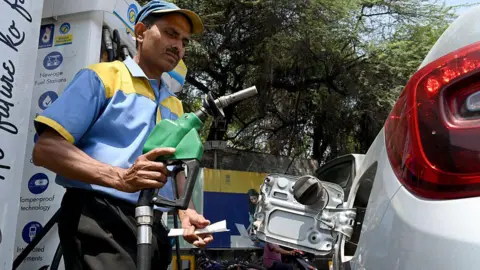
Consumer impacts may soon become apparent if elevated oil prices persist over extended periods. Gasoline prices at the pump typically reflect changes in crude costs with some lag, meaning drivers could face higher fuel expenses in coming weeks if the situation does not resolve. Airlines, shipping companies, and other energy-intensive industries are already adjusting their cost projections and potentially their pricing structures to account for higher energy expenses. These sector-wide adjustments eventually feed through to consumer prices across numerous goods and services.
The intersection of diplomatic negotiations and energy markets highlights how closely interconnected geopolitics and economics have become in the modern global system. Decisions made in boardrooms and negotiating chambers half a world away directly affect the wallets of consumers everywhere. This reality has prompted increased focus on understanding the nuances of Middle Eastern politics and international relations among financial professionals who might not have historically paid close attention to these dynamics.
Looking forward, market participants will be scrutinizing statements from officials and any developments in the negotiation process with intense focus. The timing of any breakthroughs or breakdowns could significantly influence energy prices in both directions. Traders are essentially making bets on the likelihood of various diplomatic outcomes, with their collective positions driving price movements. The uncertainty premium built into current prices reflects the genuine unpredictability of the situation and the high stakes involved.
The broader lesson from this episode underscores the vulnerability of global energy markets to geopolitical shocks and the importance of supply diversification. While efforts toward renewable energy and alternative fuels continue, the world remains substantially dependent on oil from politically volatile regions. This structural reality ensures that diplomatic tensions in the Middle East will continue to reverberate through global financial markets for the foreseeable future, affecting everyone from energy traders to ordinary consumers at the gas pump.
Source: BBC News


