
OpenAI Under Criminal Investigation in FSU Shooting Case

OpenAI faces criminal probe over ChatGPT's alleged connection to Florida State University shooting. Company denies responsibility for the attack.
OpenAI, the artificial intelligence company co-founded by Sam Altman, is now facing a criminal investigation regarding the potential involvement of its popular chatbot in a tragic shooting incident at Florida State University. The company has moved swiftly to distance itself from the attack, releasing a statement asserting that it bears no responsibility for the violent act that claimed lives and left the community devastated.
The investigation marks a significant escalation in concerns about the role that AI chatbots like ChatGPT might play in facilitating real-world violence. This criminal probe represents one of the most serious legal challenges the company has faced since the emergence of generative AI technology into mainstream consciousness. Law enforcement agencies are examining whether the suspect utilized ChatGPT in any capacity to plan or carry out the attack, raising broader questions about the responsibilities of AI developers in an increasingly connected world.
OpenAI's response emphasizes that the company has implemented strict usage policies designed to prevent its platform from being weaponized for harmful purposes. The firm maintains that it actively monitors and restricts access to its tools when they are suspected of being used for illegal activities. However, the very nature of this investigation underscores the ongoing tension between innovation in artificial intelligence and public safety concerns.
The Florida State University shooting incident has prompted renewed scrutiny of how large language models handle potentially dangerous requests and queries. Investigators are attempting to determine whether the suspect had conversations with ChatGPT that could have influenced or assisted in planning the attack. This line of inquiry reflects growing concerns among lawmakers, security experts, and the general public about the unintended consequences of deploying powerful AI systems without adequate safeguards.
OpenAI has become the focal point of a broader debate about AI safety and responsibility in the technology industry. The company's founding principles emphasize ensuring that artificial general intelligence benefits all of humanity, yet the organization now finds itself defending against accusations that its technology may have enabled violence. This contradiction highlights the complex challenges facing developers of advanced AI systems as they scale their platforms to millions of users worldwide.
The criminal investigation process will likely involve technical experts examining server logs, conversation histories, and usage patterns to establish whether ChatGPT played any substantive role in the planning or execution of the attack. Prosecutors will need to determine the exact nature of any interactions between the suspect and the platform, as well as whether OpenAI's existing safety measures were sufficient or inadequately implemented. The outcome of this investigation could have significant implications for how AI companies approach content moderation and user safety going forward.
Legal experts suggest that the case raises unprecedented questions about the liability of AI companies for how their products are used by individuals intent on causing harm. Unlike traditional social media platforms, which primarily host user-generated content, AI chatbots actively generate responses and engage in conversation with users. This distinction could prove crucial in determining whether OpenAI can be held legally responsible under existing frameworks, or whether new legal standards will need to be established.
The investigation also underscores the challenges law enforcement faces in an era of rapidly evolving technology. Agencies must develop expertise in understanding how AI systems work, how they might be misused, and what evidence should be collected and preserved during investigations. Training protocols and investigative techniques that were developed for traditional crimes may not be adequate when artificial intelligence is potentially involved.
OpenAI's statement denying responsibility has been carefully crafted by the company's legal team to address potential liability while maintaining the company's public image. The firm emphasizes its commitment to responsible AI development and claims to have invested significantly in safety research and implementation. However, critics argue that the company has perhaps prioritized rapid growth and market penetration over more cautious approaches to deployment and safeguarding.
This criminal investigation arrives at a particularly sensitive moment for the AI industry, which is facing increasing regulatory scrutiny from governments around the world. Legislators in various jurisdictions are considering new regulations and safety requirements for generative AI systems. The outcome of OpenAI's case could influence how these regulatory frameworks are shaped and what obligations companies must fulfill to prevent misuse of their technology.
The broader implications of this investigation extend beyond OpenAI to the entire ecosystem of AI developers and service providers. Companies working with powerful language models and other advanced AI systems are watching closely to see how the legal system treats questions of responsibility and liability. The precedent established in this case could fundamentally alter how AI companies approach safety, moderation, and user monitoring practices.
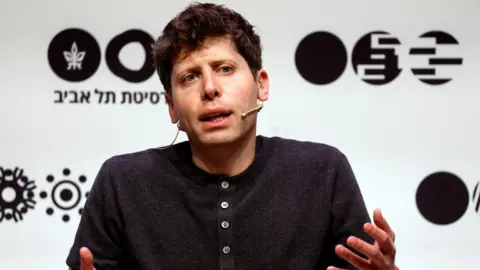
Meanwhile, Sam Altman and other OpenAI leadership have remained relatively quiet on the specific details of the investigation, allowing the company's legal department to handle all official communications. This measured approach reflects the serious nature of a criminal investigation and the potential for major legal consequences. The company is likely preparing for a lengthy legal process that could take months or even years to resolve.
The tragedy at Florida State University serves as a stark reminder of the potential consequences when powerful technologies intersect with real-world violence. Whether or not ChatGPT played a direct role in this specific incident, the investigation highlights the urgent need for continued refinement of AI safety practices. OpenAI and other AI companies face mounting pressure to demonstrate that they take these concerns seriously and are implementing meaningful measures to prevent their technology from being weaponized.
Source: BBC News


