
Overcoming the Groundwater Crisis: Proven Strategies for Sustainable Water Management

Discover the success stories of groundwater recovery efforts worldwide, uncovering the strategies that have effectively reversed the declining water supplies crisis.
Groundwater is an invaluable resource that many communities rely on for drinking water, agriculture, and other essential uses. However, in many regions, the rate of groundwater extraction has outpaced the natural replenishment process, leading to a sustainability crisis. But a new study published in Science magazine offers a glimmer of hope, examining documented cases of groundwater recovery around the world and identifying the strategies that have successfully turned the tide.
The research, conducted by Scott Jasechko from the University of California, Santa Barbara, explores the reasons why groundwater levels have been declining in many areas and the measures that have been effective in reversing this trend. Groundwater is typically cleaner and more accessible than surface water, making it a preferred choice for a variety of uses. Yet, the unsustainable extraction of this precious resource has led to a growing water crisis in many parts of the globe.

The study examines several success stories where communities have been able to turn around their groundwater crises. These cases provide valuable insights into the strategies and approaches that have proven effective in restoring groundwater levels and ensuring a more sustainable water future. By understanding the factors that contribute to groundwater recovery, policymakers, water management authorities, and communities can replicate these successful models and address the pressing water sustainability challenges they face.
One of the key findings of the study is that reducing groundwater extraction through conservation efforts, improved irrigation techniques, and the development of alternative water sources has been a crucial factor in reversing groundwater depletion. Additionally, efforts to recharge groundwater by capturing and storing surface water during wet periods have also played a significant role in replenishing depleted aquifers.
The research also highlights the importance of community engagement and collaborative governance in addressing groundwater challenges. By involving stakeholders, such as farmers, water utilities, and policymakers, in the decision-making process, communities have been able to develop tailored solutions that address their unique water management needs.
The success stories examined in the study serve as a testament to the resilience of groundwater systems and the potential for sustainable water management. As communities around the world continue to grapple with the groundwater crisis, the insights from this research offer a glimmer of hope and a roadmap for restoring this vital resource.
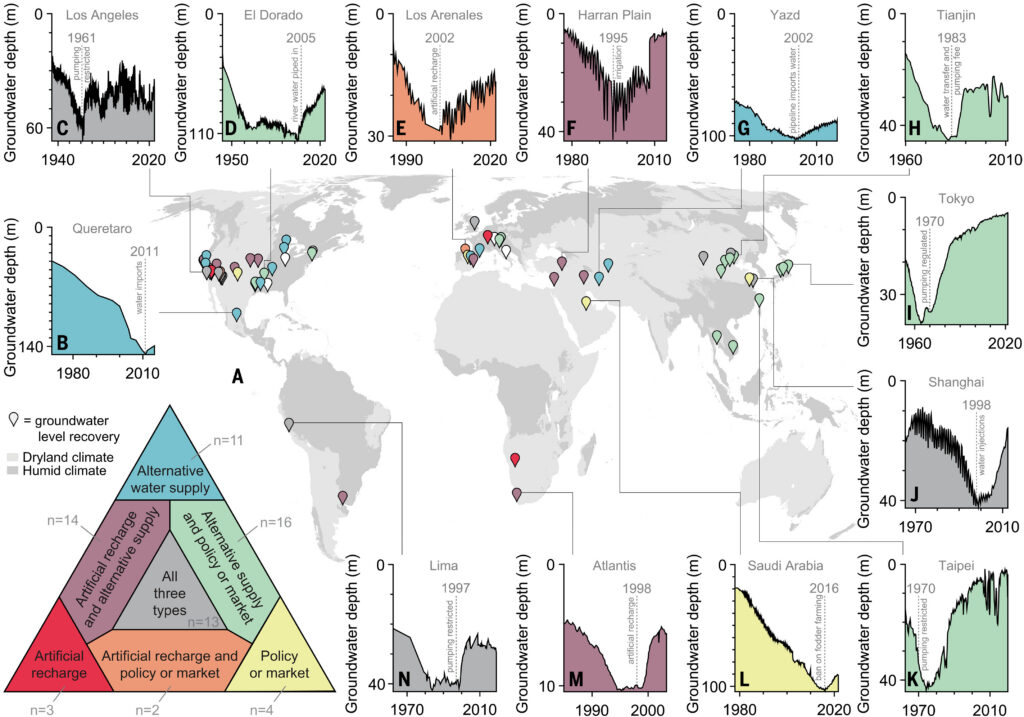
By adopting a comprehensive approach that combines conservation efforts, groundwater recharge, and collaborative governance, communities can turn the tide on their groundwater challenges and ensure a more sustainable water future for generations to come.
Source: Ars Technica


