
Palestinian Ambassador Demands Action Over British Museum 'Erasure'

Palestinian envoy protests to UK Foreign Office after British Museum removes 'Palestine' references from ancient Levant exhibits and explanatory panels.
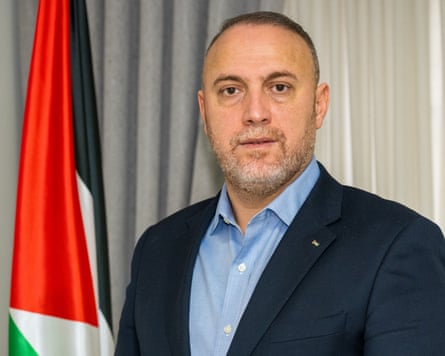
In a significant diplomatic move, the Palestinian ambassador to the United Kingdom has formally protested to the Foreign Office regarding the British Museum's removal of Palestine references from its ancient history exhibits. The protest comes despite the UK's official recognition of the Palestinian state in September 2025, raising questions about institutional consistency and representation in Britain's most prominent cultural institutions.
The British Museum controversy centers on the removal of the word "Palestine" from multiple exhibition panels and labels that document the ancient Levant region. Specifically, the museum replaced references to Palestine with fragmented territorial designations including Gaza and the West Bank on a key panel that lists present-day countries corresponding to the ancient Levantine territories. This decision has sparked concern among Palestinian representatives and cultural observers who view the changes as historically inaccurate and symbolically troubling.
The timing of these changes is particularly notable given the UK's formal recognition of Palestine as an independent state in September 2025. This governmental acknowledgment represented a significant diplomatic milestone, positioning Britain among the nations that have officially recognized Palestinian statehood. However, the museum's simultaneous removal of Palestine terminology suggests a disconnect between government policy and institutional practice, creating confusion about the country's official position on Palestinian representation and historical narratives.
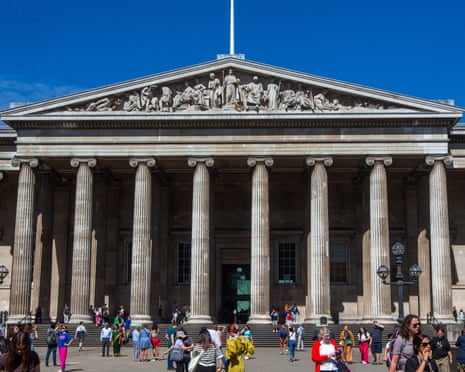
The Palestinian ambassador's intervention represents an escalation in what has become an increasingly contentious debate about museum representation and historical accuracy. By appealing directly to the Foreign Office, the diplomatic representative is positioning this as not merely a curatorial decision but as a matter of international relations and state recognition. The move demonstrates how museum practices intersect with broader geopolitical dynamics and questions of diplomatic protocol.
Museum curators have traditionally exercised significant autonomy in determining how historical narratives are presented to the public. However, this case highlights the tension between institutional independence and the political implications of historical representation. When a museum operated in a country that has officially recognized a state removes references to that state from its displays, it raises fundamental questions about the relationship between cultural institutions and government policy.
The Palestine terminology removal from British Museum panels reflects broader debates about how historical regions should be labeled and explained. Ancient terminology differs significantly from modern political boundaries, yet contemporary museum practices increasingly attempt to connect historical sites and artifacts to their present-day contexts. The decision to replace "Palestine" with specific territorial references rather than maintaining the regional designation has been interpreted by some as avoiding the use of Palestinian terminology altogether.
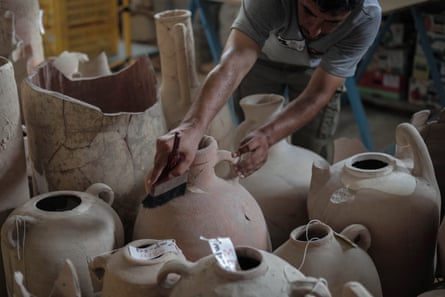
Scholars of Middle Eastern history and museum studies have noted that the terminology used in museum exhibits carries substantial weight beyond mere labeling. The choice to use or omit "Palestine" in historical contexts connects to broader narratives about indigenous presence, cultural continuity, and the legitimacy of territorial claims. Museum panels thus become sites where historical narratives intersect with contemporary political assertions, making these seemingly technical decisions laden with symbolic significance.
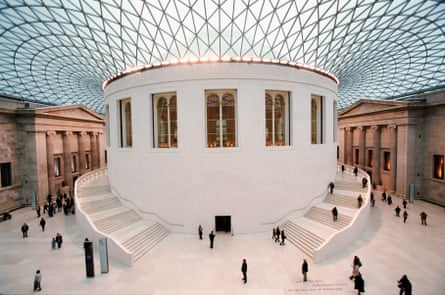
The British Museum's position as one of the world's most influential cultural institutions amplifies the impact of its curatorial choices. Millions of visitors annually encounter the museum's exhibits, which shape public understanding of history and geography. When such a prominent institution makes decisions about historical terminology, those choices reverberate far beyond museum walls, influencing educational curricula, popular understanding, and international perceptions of historical legitimacy.
The Foreign Office, as the UK government agency responsible for diplomatic relations, now faces pressure to clarify the relationship between official state recognition and institutional representation policies. The intervention by the Palestinian ambassador effectively places the British government in a position of having to respond to what could be perceived as inconsistency between its diplomatic recognition of Palestine and British Museum practices that appear to undermine Palestinian terminology and presence in historical narratives.
This situation reflects broader conversations about institutional responsibility and cultural representation that have gained prominence in recent years. Museums have increasingly faced scrutiny regarding how they present history, whose narratives they privilege, and what political implications their curatorial decisions carry. The British Museum's changes exemplify how even technical decisions about labeling and terminology become entangled with questions of historical justice and international recognition.
The dispute also highlights questions about whether museum independence from political pressure represents an absolute good or whether some accountability to government policy positions is appropriate. If a government officially recognizes a state, should its cultural institutions be expected to reflect that recognition in their presentations of history? Or does institutional autonomy require that museums maintain distance from shifting political positions?
Going forward, the British Museum will likely face mounting pressure to explain its decision-making process and to justify its choice of terminology. The Foreign Office's response will be crucial in setting precedent for how the UK government balances diplomatic recognition with cultural institutional practices. Whether this situation results in the museum reinstating "Palestine" terminology or adopting a different approach remains to be seen, but the diplomatic protest has ensured that this issue will not be resolved quietly behind the scenes.
The broader implications of this controversy extend to other British institutions and international cultural organizations that face similar decisions about historical terminology and contemporary political recognition. The precedent established through resolving this dispute will likely influence how museums worldwide approach the presentation of disputed territories and contested historical narratives, particularly in contexts involving recognized yet politically contested states.


