
Pennsylvania Primary: Blue-Collar Battle Shapes Democrats

Allentown's mayoral race pits establishment figures against a populist firefighter candidate, potentially signaling the Democratic party's future direction.
The industrial heartland of Pennsylvania is once again capturing national attention, but this time the spotlight shines on a pivotal Democratic primary election that could fundamentally reshape the party's approach to working-class politics. Allentown, Pennsylvania, has long served as a barometer for understanding the economic struggles facing America's blue-collar workforce, and this week's election represents a crucial moment for determining how the Democratic party will respond to the concerns of struggling industrial communities.
Allentown carries deep historical significance in American popular culture and economic history. The city has been referenced countless times by national media outlets as a symbol of declining manufacturing sectors and working-class economic hardship. Billy Joel famously immortalized the city in his 1982 hit song "Allentown," which captured the anxieties of industrial workers facing factory closures and economic uncertainty. The neighboring city of Bethlehem adds another layer to this narrative—it was once home to the Bethlehem Steel Corporation, which operated the world's largest steelmaking facility before its closure in 2003. The subsequent conversion of the site into a casino epitomizes the region's difficult economic transition from heavy manufacturing to service and entertainment industries.
The Lehigh Valley, which encompasses both Allentown and Bethlehem, has undoubtedly experienced significant economic challenges over the past several decades. However, dismissing the region's prospects entirely would be shortsighted and inaccurate. The current political moment suggests that despite historical hardships, this blue-collar bastion maintains considerable influence over national Democratic party strategy. This week's mayoral primary election in Allentown has the potential to signal whether the Democratic party will continue prioritizing establishment politics or embrace a more populist, working-class-centered approach to governance and policy-making.
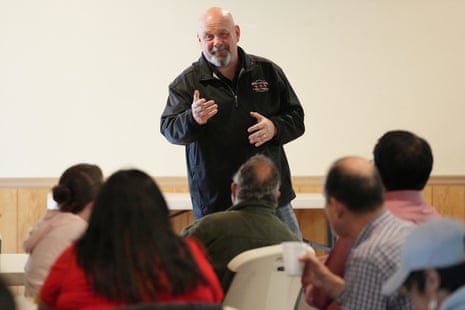
The election features a compelling contrast between competing visions for the Democratic party's future. On one side, three establishment candidates represent the traditional approach to Democratic politics, bringing experience within party structures and conventional policy platforms. These insiders have built their careers within Democratic institutions and represent continuity with existing power structures. On the other side stands a firefighter candidate embodying a distinctly populist message that resonates with working-class concerns and frustrations with traditional party politics. The firefighter's campaign emphasizes direct connection with community members, economic justice, and prioritization of workers' interests over corporate interests.
This primary race reflects broader tensions within the Democratic party regarding representation and responsiveness to working-class voters. For years, political analysts have noted a growing disconnect between traditional Democratic establishments and working-class communities, particularly in post-industrial regions. The Allentown primary provides a concrete example of this tension playing out in real time. The outcome will likely influence how Democratic strategists approach similar constituencies in other rust belt cities and declining industrial regions across the country.
The populist firefighter candidate appeals to voters skeptical of traditional political institutions and career politicians. This candidate's background in emergency services positions him as someone with practical experience serving community members directly. The campaign message emphasizes accountability, transparency, and alignment with workers' economic interests rather than corporate agendas. Many voters in the region have grown frustrated with political candidates who promise change but deliver incremental adjustments or policies that primarily benefit affluent constituents. The firefighter's outsider status and connection to working-class roots offer voters a compelling alternative narrative to establishment politics as usual.
Meanwhile, the three establishment candidates bring different perspectives and credentials to the race, though they share alignment with traditional Democratic party structures. Each candidate likely highlights their experience in government, understanding of policy complexities, and established networks within party leadership. These candidates may argue that achieving results for Allentown requires knowledge of bureaucratic systems, relationships with state and federal funding sources, and proven ability to navigate political institutions. They represent continuity with how Democratic campaigns have traditionally approached urban renewal and economic development in post-industrial cities.
The timing of this primary election is significant for understanding Democratic party direction more broadly. National Democratic leadership has increasingly recognized that the party's traditional approach to working-class communities requires reassessment. Decades of deindustrialization, wage stagnation, and declining union membership have fundamentally altered the political landscape in regions like the Lehigh Valley. Young voters, particularly those without college degrees, have shown increasing skepticism toward establishment Democratic positions. The Allentown primary provides an opportunity to observe whether grassroots demands for change can overcome institutional party preferences for establishment candidates.
Economic conditions in Allentown remain challenging despite modest recovery efforts. Unemployment rates, while improved from recession lows, remain higher than national averages. Median household incomes lag significantly behind state and national figures. The transition from manufacturing-based economy to service and retail employment has resulted in lower wages and reduced job security for many workers. Housing affordability presents another significant challenge for residents. These concrete economic hardships inform voter sentiment and create receptiveness to candidates promising significant change and renewed focus on workers' economic advancement.
The research and analysis of working-class politics has become increasingly prominent in Democratic party discussions. Organizations focused on understanding working-class concerns have proliferated, recognizing that winning elections requires genuine engagement with labor and working-class communities. The working-class politics movement emphasizes that Democratic success depends on developing authentic relationships with workers and addressing their material concerns rather than assuming their loyalty based on historical voting patterns. The Allentown primary will provide important data regarding whether this reorientation toward working-class concerns is taking hold among Democratic voters and candidates.
Union presence and influence in the Lehigh Valley adds another dimension to this primary race. The region has deep roots in labor organizing and union membership, though union density has declined significantly from historical peaks. Some candidates will likely position themselves as strong labor allies, while others may have established relationships with specific union organizations. The response from labor groups to the various candidates will signal their assessment regarding which candidate best represents labor interests and working-class economic advancement. Union endorsements and activism could prove decisive in a close primary election.
National political observers will scrutinize the Allentown primary results for insights into broader Democratic party trajectory. A victory for the populist firefighter candidate would suggest that grassroots demands for change are gaining momentum within the Democratic base. Conversely, an establishment candidate victory might indicate that institutional Democratic power structures retain sufficient influence to determine nominations despite working-class frustration with traditional politics. Either outcome will carry implications for Democratic strategy in similar communities nationwide, particularly in regions experiencing economic decline and skepticism toward establishment institutions.
The stakes of this election extend beyond Allentown's city limits. The Democratic party's national leadership has begun acknowledging that winning elections in the 2020s requires reconnecting with working-class voters across diverse demographic groups. The Allentown primary offers a case study in whether this recognition translates into meaningful change in how Democratic candidates approach working-class communities. Will establishment Democrats genuinely reform to address working-class priorities, or will they continue assuming that working-class voters have no alternative options? The answer emerging from Allentown this week could significantly influence Democratic strategy going forward.
Source: The Guardian


