
Peru Elects Controversial Leftist as Ninth President Since 2016

José María Balcázar becomes Peru's interim president after congress ousts predecessor José Jerí amid Chinese business scandal. Elections set for April 2026.
Peru finds itself once again in political turmoil as José María Balcázar, an 80-year-old leftist congressman with a controversial past regarding child marriage policies, has been elected as the nation's interim president. The surprise appointment comes as Peru prepares for crucial general elections scheduled for April, marking yet another chapter in the country's ongoing political instability that has plagued the South American nation for nearly a decade.
Balcázar's election represents a significant shift in Peru's leadership landscape, as he defeated the heavily favored conservative candidate María del Carmen Alva in a congressional vote that caught many political observers off guard. His victory underscores the unpredictable nature of Peruvian politics and highlights the deep divisions within the country's legislative body. The octogenarian lawmaker's ascension to power has raised eyebrows both domestically and internationally due to his previous statements defending marriage for individuals aged 14 and above.
The political upheaval that led to Balcázar's appointment began with the dramatic removal of José Jerí from the presidency on Tuesday, following a swift impeachment process that lasted just four months. Jerí's downfall was precipitated by revelations of secretive meetings with Chinese businessmen, which sparked allegations of corruption and improper foreign influence in Peru's government affairs. The scandal intensified existing concerns about transparency and governance in Peru's executive branch.
The meetings with Chinese business representatives became a lightning rod for criticism, with opposition lawmakers arguing that Jerí had compromised Peru's sovereignty and violated protocols for international business dealings. Details of these clandestine encounters emerged through investigative reporting and whistleblower accounts, revealing a pattern of undisclosed communications that bypassed traditional diplomatic channels and raised questions about potential conflicts of interest.
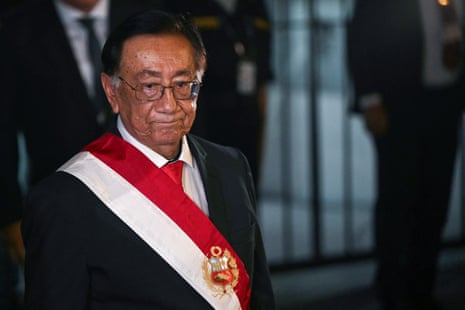
Balcázar's controversial stance on child marriage has become a focal point of criticism from human rights organizations and women's advocacy groups. His previous arguments supporting marriage for individuals as young as 14 years old have drawn sharp condemnation from international observers who view such positions as fundamentally at odds with modern human rights standards and child protection principles. These statements have resurfaced prominently in media coverage following his election.
The new interim president's political philosophy reflects a broader leftist ideology that has gained traction among certain segments of Peru's population, particularly those disillusioned with traditional conservative policies and economic approaches. Balcázar's supporters argue that his decades of legislative experience and commitment to social justice issues make him uniquely qualified to guide Peru through its current crisis period leading up to the April elections.
Peru's remarkable record of having nine presidents since 2016 illustrates the profound institutional instability that has characterized the country's political system in recent years. This revolving door of leadership has created significant challenges for policy continuity, economic planning, and international relations, as foreign governments and investors struggle to maintain consistent diplomatic and business relationships amid constant leadership changes.
The pattern of presidential turnover reflects deeper structural problems within Peru's political framework, including weak party systems, fragmented coalitions, and ongoing tensions between executive and legislative branches of government. Each transition has brought renewed hopes for stability, only to be followed by new scandals, impeachment proceedings, or resignations that perpetuate the cycle of political uncertainty.
The Chinese business scandal that toppled Jerí represents a broader pattern of foreign influence concerns that have affected multiple Latin American governments in recent years. China's expanding economic presence throughout the region has created new opportunities for trade and investment, but also raised questions about transparency, debt sustainability, and potential political leverage that accompanies such economic relationships.
Critics of the secretive meetings argued that Jerí's approach violated established protocols for international business negotiations and failed to provide adequate transparency to congress and the public about the nature and scope of discussions with Chinese representatives. The scandal highlighted ongoing debates about how Peru should balance its relationships with major global powers, including the United States and China, while maintaining its sovereignty and democratic institutions.
As Balcázar assumes the presidency, he faces the immediate challenge of restoring public confidence in Peru's government while preparing the country for general elections in April. His interim status means that major policy initiatives will likely be limited, but his administration will need to address pressing economic concerns, manage ongoing social tensions, and ensure a smooth electoral process that produces a legitimate and stable successor government.
The upcoming elections represent a critical juncture for Peru's democratic future, as voters will have the opportunity to select leaders who can potentially break the cycle of political instability that has defined the country's recent history. Campaign preparations are already underway, with multiple candidates from across the political spectrum positioning themselves as agents of change and stability.
International observers and neighboring countries are closely monitoring Peru's political developments, recognizing that continued instability in one of South America's largest economies could have broader regional implications. The frequent leadership changes have complicated Peru's participation in regional trade agreements, diplomatic initiatives, and multilateral organizations, creating uncertainty about the country's long-term strategic commitments.
Balcázar's age and controversial positions have raised questions about his ability to effectively govern during this critical transition period. At over 80 years old, he becomes one of the oldest individuals to assume Peru's presidency, bringing extensive legislative experience but also potential concerns about the energy and vision needed to address the country's complex challenges in the months ahead.
The broader implications of Peru's political crisis extend beyond its borders, as international investors and trading partners seek stability and predictability in their relationships with the country. Peru's significant mining sector, agricultural exports, and tourism industry all depend on consistent government policies and effective international relations, making political stability crucial for economic growth and development.
As the April elections approach, political analysts will be watching closely to see whether Peru can finally break its pattern of presidential turnover and establish a more stable foundation for democratic governance. The outcome of these elections could determine whether the country continues its cycle of political crisis or begins a new chapter characterized by institutional strength and effective leadership.
Source: The Guardian


