
Peruvian State Condemned for Forced Sterilization Deaths

The inter-American court of human rights condemns Peru for the forced sterilization of over 310,000 women, many Indigenous, in a brutal 1990s campaign that led to the death of Celia Ramos.
Peru has been condemned by the highest human rights court in Latin America over the death of its citizen Celia Ramos, who died at the age of 34 in 1997 after undergoing sterilization under coercion.
The landmark ruling by the inter-American court of human rights (IACHR) is the first on Peru's forced sterilization program, which operated between 1996 and 2000 and was directed against poor, rural, and Indigenous women.
The brutal campaign targeted an estimated 310,000 women, most of whom were Indigenous, in a systematic violation of their human rights. The Peruvian state is now being held responsible for Ramos' death and the broader forced sterilization program.
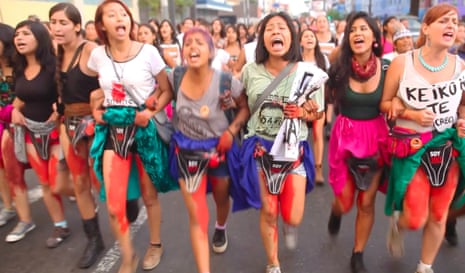
The ruling is a landmark victory for human rights activists who have long fought to bring justice and accountability for the victims of this coercive and unethical program. It sends a clear message that the forced sterilization of marginalized populations will not be tolerated.
The case of Celia Ramos is just one example of the devastating impact of this forced sterilization campaign. Ramos, a poor, rural, Indigenous woman, died due to complications from the forced procedure, leaving behind a young daughter.
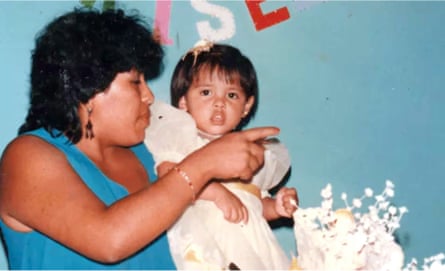
The IACHR ruling not only condemns Peru for its actions, but also orders the government to provide reparations to Ramos' family and establish a comprehensive program to identify, locate, and compensate all victims of the forced sterilization campaign.
This historic decision represents a significant step towards justice and accountability for the tens of thousands of Peruvian women who were forcibly sterilized under a brutal government program. It serves as a warning to other nations that such human rights violations will not be tolerated.
The forced sterilization campaign in Peru was a shameful chapter in the country's history, and this landmark ruling by the IACHR is a crucial step towards healing and reconciliation for the victims and their families. It is a powerful reminder that human rights must be protected and upheld, even in the face of abusive government policies.
Source: The Guardian


