
Pet Flea Treatments Harming UK Garden Birds

Study reveals songbird feathers contaminated with banned pesticides from pet treatments, threatening bird populations and raising conservation concerns.
A significant new study has raised alarming concerns about the widespread contamination of UK songbirds with toxic chemicals derived from common pet flea treatments. Research findings indicate that garden bird populations are being exposed to dangerous neurotoxins that were banned from agricultural use but continue to proliferate through household pest control products. The discovery has prompted conservationists and environmental experts to demand immediate regulatory action to protect vulnerable bird species.
The investigation centered on examining feather samples from five of Britain's most recognizable garden bird species, revealing a disturbing pattern of chemical contamination. Researchers discovered that nearly every single feather sample analyzed contained residues of at least one of three particularly harmful insecticides: permethrin, imidacloprid, or fipronil. These substances are classified as highly toxic to avian species and are known to cause severe neurological damage in birds while also potentially harming reproductive success and unborn chicks.
The presence of these chemicals in such widespread distribution across common songbird populations represents a serious environmental crisis that has largely gone unnoticed by the general public. While these pesticides have been prohibited for use in commercial agriculture due to their detrimental environmental effects, they remain readily available and extensively used in pet care products aimed at controlling fleas and ticks on domestic cats and dogs. This regulatory inconsistency has created a significant loophole that continues to harm wild bird populations.

Permethrin, one of the three main contaminants identified, functions as a neurotoxin that interferes with the normal functioning of bird brains and nervous systems. When songbirds are exposed to this chemical, either through direct contact or by consuming contaminated insects and food sources, their cognitive abilities and behavioral patterns are negatively affected. This neurological damage can impair their ability to navigate, find food, and reproduce successfully, leading to population declines in vulnerable species.
Imidacloprid, another of the detected substances, belongs to a class of chemicals known as neonicotinoids, which have been extensively studied for their harmful effects on birds and other wildlife. This compound has been particularly controversial due to its persistence in the environment and its ability to accumulate in the bodies of animals over time. Research has demonstrated that even low-level chronic exposure to imidacloprid can result in significant physiological changes in birds, including reduced cognitive function and weakened immune responses.
Fipronil represents the third major contaminant discovered in the bird feather samples, and it is equally concerning from a conservation perspective. This chemical has been shown to cause developmental abnormalities in bird embryos and can lead to high rates of miscarriage in breeding populations. The presence of fipronil in feather samples suggests that breeding birds are being exposed to levels of this toxin that could substantially impact their reproductive success and the viability of their offspring.
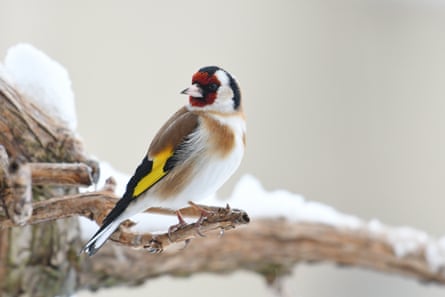
The five bird species included in this comprehensive study represent some of the most frequently encountered avian visitors to UK gardens and represent populations that are already facing numerous other environmental pressures and habitat challenges. These species serve as important bioindicators of environmental health, and their contamination with agricultural ban pesticides suggests a broader problem affecting ecosystems throughout the country. The researchers emphasized that the contamination levels detected were alarming and warrant immediate intervention to prevent further environmental degradation.
Conservation organizations have responded to these findings by calling for urgent policy changes at both the national and international levels. They argue that if these chemicals are dangerous enough to warrant agricultural bans, then their continued use in household pet products cannot be justified from a public health or environmental standpoint. The regulatory framework governing pet flea and tick treatments has remained largely unchanged for decades, despite mounting evidence of their harmful effects on non-target species.
Experts emphasize that the timing of pesticide exposure is particularly critical, as breeding season represents a vulnerable period when birds are more susceptible to reproductive damage. During spring and summer months, when garden bird populations are raising young, exposure to these neurotoxic substances can have devastating consequences for population recruitment and long-term species viability. The contamination patterns detected suggest that exposure may be occurring throughout the year, compounding the overall risk to bird populations.
The widespread availability of these pet treatments in supermarkets and pet supply stores across the United Kingdom has made them among the most commonly purchased animal health products. Millions of British households use these products regularly on their pets, often without being fully aware of the broader environmental consequences of their use. The chemicals are designed to persist on animal fur and skin to provide extended protection against parasites, which means they inevitably end up in the broader environment through normal use and disposal.
Several alternative approaches to flea and tick control have been developed in recent years, including physical barriers, less toxic botanical insecticides, and targeted treatments that pose lower risks to non-target species. However, these alternatives are often more expensive or require more frequent application than traditional chemical treatments, creating economic barriers to their adoption among consumers. Environmental advocates suggest that stronger regulation and public education campaigns could help shift market demand toward safer alternatives.
The research team behind this study worked with specialized laboratories to analyze hundreds of feather samples collected from bird populations across multiple regions of the United Kingdom. The methodology employed was rigorous and scientifically sound, utilizing advanced chemical analysis techniques to identify and quantify the presence of specific pesticide residues. The consistency of findings across different bird species and geographic locations strengthens the evidence that this represents a systemic problem rather than an isolated incident.
Looking forward, conservationists are working with policymakers to develop new regulatory frameworks that would restrict the use of these harmful chemicals in household pet products while providing alternatives that are both effective and environmentally responsible. Some European countries have already taken steps to ban or severely restrict certain pesticides in consumer products, and there is growing momentum for similar action in the United Kingdom. The cost of inaction, in terms of lost bird populations and damaged ecosystems, far exceeds the investment required to transition to safer alternatives.
This emerging crisis highlights the interconnectedness of human activities and wildlife health, demonstrating how consumer choices in one domain can have far-reaching consequences for ecosystems and bird populations. Pet owners who are concerned about their role in protecting songbirds are encouraged to consult with veterinarians about safer pest control options and to consider the environmental impact of the products they purchase. By making informed choices and supporting stricter regulation of harmful chemicals, consumers can contribute directly to the protection of Britain's beloved garden bird species.
Source: The Guardian


