
Plaid Cymru Poised to End Labour's Century-Long Welsh Rule

Welsh nationalist party set to become largest in Senedd elections, ending Labour's 100+ year dominance in Wales while halting Reform UK momentum.
Plaid Cymru, Wales's principal Welsh nationalist party, appears positioned to achieve a historic electoral breakthrough in the Welsh Senedd elections, marking a seismic shift in the political landscape of the nation. This potential victory would represent a watershed moment in Welsh politics, fundamentally altering the trajectory of governance that has remained largely unchanged for over a century. The results would not only elevate Plaid Cymru to the highest echelon of Welsh political power but would also effectively contain the rising tide of populist movements threatening traditional political establishments across the United Kingdom.
The 2026 Welsh Senedd elections have produced results that few political analysts predicted just months earlier, with Plaid Cymru garnering sufficient electoral support to potentially form the next Welsh government. By Friday evening, with 14 of 16 constituencies having declared their results, the centre-left nationalist party had demonstrated commanding support across diverse Welsh communities. This electoral performance stands in stark contrast to historical patterns that have governed Welsh politics since the devolution settlement in 1999, reshaping assumptions about how Welsh voters would distribute their political support in the coming decades.
Welsh Labour, the dominant political force in Wales for more than a century, faced an unexpected challenge to its traditional electoral supremacy. The party, which had consistently won the largest vote share in virtually every electoral contest held in Wales since the early 1900s, suddenly found itself confronting the prospect of opposition benches. This reversal of fortune reflects broader dissatisfaction among Welsh voters regarding Labour's stewardship of devolved matters, including healthcare, education, and economic development. The electoral shift also demonstrates the volatile nature of modern political preferences, where voters increasingly reject institutional inertia in favor of parties promising fresh perspectives and renewed commitment to national priorities.
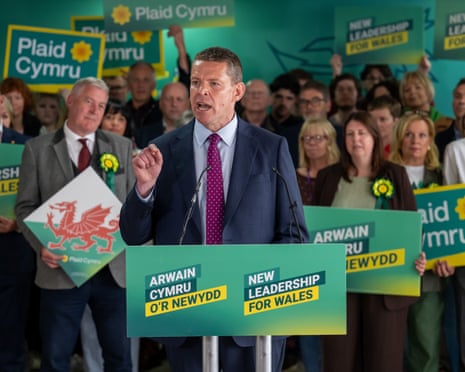
The ascendancy of Plaid Cymru leadership simultaneously functions as a barrier against the expansion of Nigel Farage's populist Reform UK movement across British politics. While Reform UK has successfully gained traction in various regions of England and Scotland, the Welsh electorate's preference for nationalist alternatives has effectively limited the far-right party's penetration into the Welsh political market. This outcome demonstrates that regional identity and cultural distinctiveness can serve as powerful counterweights to populist messaging that appeals to broader British identity. The success of Plaid Cymru in blocking Reform UK's momentum indicates that Welsh voters prioritize indigenous nationalist solutions over British-wide populist alternatives.
The historical significance of this electoral result cannot be overstated, as it represents the first instance in nearly 30 years that Welsh Labour has been displaced from its position as the pre-eminent force in Welsh devolved politics. Since the establishment of the Welsh Assembly in 1999, Labour has dominated the political environment, consistently winning more seats and greater vote shares than rival parties. The party's organizational infrastructure, deep roots in Welsh communities, and historical association with post-industrial Wales's welfare arrangements had seemed to provide an almost unassailable electoral foundation. However, accumulated grievances regarding policy implementation, leadership challenges, and changing voter demographics have combined to erode this traditional advantage.

Plaid Cymru's emergence as the largest party in the Senedd reflects transformative shifts in Welsh public opinion regarding language preservation, cultural autonomy, and economic self-determination. The party has successfully repositioned itself beyond its historical image as a single-issue organization focused narrowly on Welsh language matters, instead presenting itself as a comprehensive Welsh political alternative capable of addressing the full spectrum of devolved governance challenges. This strategic evolution has broadened the party's appeal among younger voters, urban constituencies, and economically disadvantaged communities seeking alternatives to the Labour establishment. The party's messaging emphasizing Welsh solutions for Welsh problems has resonated particularly strongly with voters fatigued by Westminster-focused politics.
The implications of this electoral transformation extend far beyond the immediate composition of the Senedd chamber and the formation of government. A Plaid Cymru-led Welsh government would pursue substantially different policy priorities than its Labour predecessors, with particular emphasis on accelerating Welsh language promotion, advancing Welsh economic independence, and strengthening cultural institutions. The party has campaigned extensively on these themes, proposing measures to support Welsh-medium education, establish Welsh-language requirements for certain professions, and redirect economic resources toward indigenous Welsh businesses and cooperative enterprises. These policy ambitions represent a markedly different vision for Welsh society compared to Labour's more orthodox devolutionist approach.
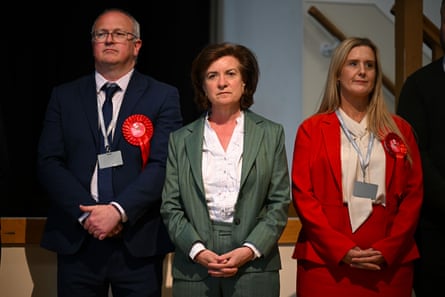
The electoral mechanics underlying Plaid Cymru's success reveal important patterns in contemporary Welsh voting behavior that merit careful analysis. The party achieved significant vote shares not only in traditional strongholds in rural north and west Wales but also in urban constituencies previously considered safe Labour seats. This geographic breadth of support indicates that Plaid Cymru's appeal transcends its historical demographic base and extends across class boundaries and age cohorts. The party's success in mobilizing younger voters and professionals in major Welsh cities suggests that Plaid Cymru has successfully positioned itself as a vehicle for progressive change rather than merely a guardian of cultural preservation.
Welsh Labour's defeat in these elections represents a bitter reversal for a party that has long considered Wales its electoral fortress. The party's internal divisions regarding leadership direction, policy emphasis, and engagement with Westminster politics appear to have contributed significantly to voter defection. Additionally, specific policy failures in health service delivery, education standards, and regional economic development became focal points for criticism that Plaid Cymru effectively weaponized during the campaign. The perception that Welsh Labour had become complacent regarding its electoral dominance and insufficiently responsive to emerging public concerns created vulnerabilities that Plaid Cymru ruthlessly exploited.
The prevention of Reform UK expansion in Wales carries significant implications for the trajectory of British politics more broadly. Reform UK has positioned itself as a populist alternative to traditional conservative politics, appealing to voters dissatisfied with mainstream parties. However, the party's appeals based on British national identity and immigration policy restrictionism have gained considerably less traction in Wales than in English regions. The Welsh electorate's demonstrated preference for Plaid Cymru as an alternative voice suggests that regional and national identity considerations outweigh the populist messaging that has proven effective elsewhere in the United Kingdom. This outcome indicates that Reform UK's expansion may encounter regional limits based on cultural and identity factors.
Looking forward, a Plaid Cymru government would inherit significant responsibilities regarding management of devolved services, economic policy, and representation of Welsh interests within the broader United Kingdom framework. The party's transition from opposition status to governing responsibility will test whether it can deliver on ambitious campaign promises while navigating the fiscal constraints imposed by Westminster arrangements and managing diverse constituencies within Wales. The success or failure of Plaid Cymru in government will significantly shape Welsh politics for the coming decade and potentially influence broader devolutionist movements across the United Kingdom. These elections represent not merely a change of political administration but a fundamental realignment of Welsh political identity and governance orientation.
Source: The Guardian


