
Pregnant Immigrant Girls Transferred to Texas to Deny Abortion Access

Critics condemn US government's relocation of pregnant unaccompanied minors as young as 13 to Texas, denying them reproductive healthcare and violating their human rights.
In a concerning development, the US government has been transferring pregnant immigrant girls, some as young as 13 and many victims of rape, to a single facility in Texas. This move has been widely criticized as a human rights violation, as it aims to deny these vulnerable individuals access to abortion services.
According to reports, the practice of quickly moving unaccompanied immigrant children across state lines, often to conservative states like Texas, has been a common tactic. This allows the government to circumvent providing reproductive healthcare, including abortions, to these detainees.
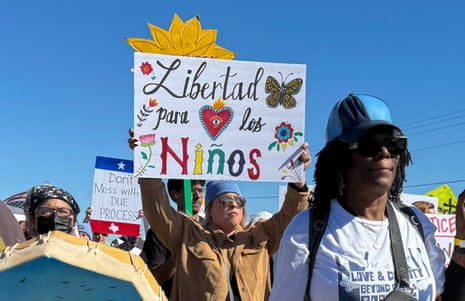
A former government official, speaking on the condition of anonymity, has condemned this practice as a blatant violation of the human rights of these young, pregnant immigrants. Many of these girls have become pregnant due to the traumatic experience of rape, further compounding the already difficult circumstances they face.
As these detainees are frequently shuffled between facilities, they often find themselves in states with strict abortion laws, making it increasingly challenging for them to access the reproductive healthcare they desperately need. This policy has been widely criticized as an unethical and inhumane practice that denies these vulnerable individuals their basic rights.
The relocation of pregnant immigrant girls to Texas has sparked outrage and calls for immediate action from human rights advocates and organizations. They argue that this policy violates the fundamental rights of these young, often traumatized individuals and must be addressed with urgency.
As the debate surrounding this issue continues, it is clear that the rights and wellbeing of pregnant immigrant detainees must be a top priority. Ensuring access to comprehensive reproductive healthcare, including abortion services, is not only a moral imperative but also a crucial step in upholding the basic human rights of these vulnerable individuals.


