
Protestors Rally at NIH: Defending Medical Research Funding

Demonstrators gather at NIH headquarters to protest proposed cuts to medical research funding, highlighting the critical role NIH plays in life-saving breakthroughs.
Medical research has long been a cornerstone of scientific progress and human health, with the National Institutes of Health (NIH) playing a pivotal role in driving key advancements. However, recent proposals to cut funding for the NIH have sparked outrage among demonstrators who gathered at the agency's headquarters in Bethesda, Maryland, this past Saturday.
Leading the charge was Bill Bien, a lymphoma survivor who credits NIH-funded breakthroughs with saving his life. "No kings, just vaccines!" he proclaimed to the crowd, underscoring the vital importance of maintaining robust support for medical research.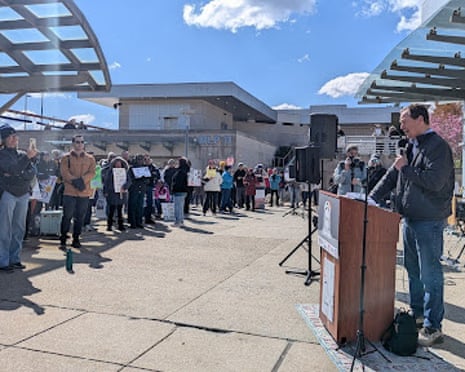
The protest was a response to the potential reduction in NIH funding, which many fear could hamper ongoing efforts to tackle a wide range of health challenges. From developing life-saving treatments to pioneering groundbreaking technologies, the NIH has long been at the forefront of advancing medical knowledge and improving patient outcomes.
"The NIH is the engine that drives so much of our medical progress," said Dr. Emily Burnham, a researcher who attended the demonstration. "Cutting its budget would be a devastating blow to the scientific community and, ultimately, to the health and well-being of people across the country."
Indeed, the potential ramifications of reduced NIH funding extend far beyond the immediate impact on individual research projects. Such cuts could jeopardize the careers of promising young scientists, stifle innovation, and slow the pace of medical advancements that have the power to transform and save lives.
"I'm here today because I know firsthand the incredible value of the work done at the NIH," said Bien. "They're not just funding research - they're funding hope, and we can't afford to lose that."
As the demonstration continued, the passion and determination of the attendees was palpable. They stood united in their commitment to protecting the integrity of the NIH and ensuring that medical research remains a top priority for policymakers and the public alike.
Source: The Guardian


