
Psychologist Launches Movement to Defend US Science Funding

A clinical psychologist confronts Trump administration cuts to medical research, sparking a grassroots movement to protect scientific discovery and federal funding.
Colette Delawalla stood at a crossroads that millions of American scientists now face. At just 30 years old, this aspiring clinical psychologist had envisioned a fulfilling career dedicated to addiction research and academic teaching. However, recent policy shifts from the Trump administration have fundamentally altered her professional trajectory and sparked a broader movement to protect the nation's scientific infrastructure. What began as personal frustration has evolved into Stand Up for Science, a grassroots initiative designed to mobilize researchers, scientists, and citizens against unprecedented cuts to medical and scientific research funding.
Just nineteen days into the second Trump administration, Delawalla reached a breaking point that galvanized her into action. As a mother of a young toddler trying to navigate her doctoral dissertation, she witnessed troubling developments that threatened her field and the broader scientific community. The administration announced a staggering $4 billion reduction in medical and scientific research funding, targeting critical programs across the National Institutes of Health and related agencies. These cuts would impact research into diseases ranging from cancer to HIV, fundamentally disrupting ongoing studies and future scientific innovation.
The restrictions extended far beyond budget reductions. Federal scientists received explicit orders prohibiting them from presenting findings at conferences or making public statements about their research. Government researchers working on some of the nation's most pressing health challenges suddenly found themselves unable to communicate their work openly. Additionally, the National Institutes of Health began evaluating and potentially eliminating grants that conflicted with specific presidential directives, raising serious concerns about political interference in the scientific process.

These developments represented more than bureaucratic adjustments—they signaled a fundamental challenge to the scientific method and the independence of research institutions. For Delawalla, watching her field face such headwinds proved to be the catalyst for action. Rather than retreating into her dissertation work, she decided to leverage her education and voice to address what she viewed as an existential threat to American scientific advancement. The decision reflected a broader awakening among young researchers and scientists who recognized that their careers and the future of scientific discovery hung in the balance.
Stand Up for Science emerged as Delawalla's response to these challenges, designed to create a unified voice opposing the administration's policies. The movement seeks to mobilize multiple constituencies: practicing scientists concerned about funding and academic freedom, graduate students like Delawalla worried about their future prospects, established researchers who have built decades-long careers on federal grants, and citizens who recognize the importance of scientific research to public health and national competitiveness. The initiative aims to demonstrate that science enjoys broad public support and that restricting scientific inquiry contradicts fundamental American values.
The timing of this movement reveals the urgency many in the scientific community feel. Federal research funding has historically served as the backbone of American scientific achievement, enabling breakthroughs in medicine, technology, and our understanding of the natural world. Graduate students, postdoctoral researchers, and established investigators all depend on these funding mechanisms to conduct their work. When such funding faces sudden and significant reduction, the ripple effects threaten entire research programs, delay important studies, and discourage talented individuals from pursuing scientific careers.
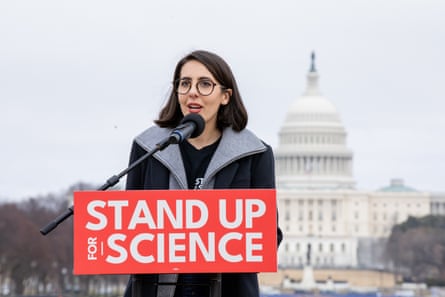
Delawalla's specific focus on addiction research underscores the real-world consequences of these cuts. The United States faces a persistent and devastating addiction crisis, touching millions of families across the country. Research into the neurobiological mechanisms of addiction, effective treatment modalities, and prevention strategies requires sustained funding and scientific focus. By potentially defunding or restricting such research, policymakers risk abandoning an opportunity to address one of the nation's most pressing public health emergencies through evidence-based solutions.
The movement that Delawalla has launched operates on multiple levels. At its core, it seeks to educate the public about why scientific research matters and how federal funding supports innovation that improves lives. Stand Up for Science also works to coordinate advocacy efforts, helping scientists and researchers communicate effectively with elected officials about the importance of maintaining robust research budgets. Additionally, the movement provides solidarity and support to scientists who feel isolated or vulnerable in the face of political pressure, reminding them that their work has value and public backing.
The broader implications of this moment extend beyond individual researchers or specific funding amounts. The question of whether political considerations should influence scientific research funding strikes at the heart of how democracies balance political leadership with institutional independence. Scientific institutions have traditionally maintained a degree of autonomy precisely because their primary mission—discovering objective truth through rigorous methodology—requires freedom from political interference. When governments begin evaluating research grants based on ideological compatibility rather than scientific merit, the credibility and productivity of the entire research enterprise suffer.
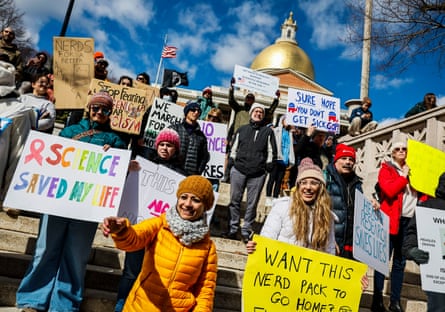
For young scientists like Delawalla, this moment carries particular significance. They are entering the profession at a time when the institutions and funding mechanisms they will depend on appear vulnerable to political manipulation. Many bright young minds may reconsider careers in scientific research if federal support becomes unstable and subject to ideological tests. This potential exodus of talent represents a long-term threat to American scientific competitiveness on the global stage. Other nations are rapidly expanding their research capabilities, and the United States risks falling behind if it fails to maintain investment in scientific advancement.
The Stand Up for Science movement reflects a growing recognition among scientists that they cannot remain purely focused on their laboratory work while the ecosystem supporting their profession faces systematic attack. Delawalla's transformation from a graduate student concentrating on her dissertation to an activist and movement leader exemplifies this shift. She recognizes that protecting her future career requires defending the broader scientific enterprise, advocating for policies that support research funding, and helping fellow scientists find their voices in public discourse.
Community members, research institutions, and individual scientists now face important choices about how to respond to these challenges. Some have joined Stand Up for Science and similar movements, lending their expertise and credibility to advocacy efforts. Others have focused on documenting the impact of funding cuts on specific research programs, providing concrete examples of how policy decisions affect real scientific work. Universities and research institutions have begun engaging with elected officials, explaining how federal funding supports not only scientific discovery but also economic development and job creation in their communities.
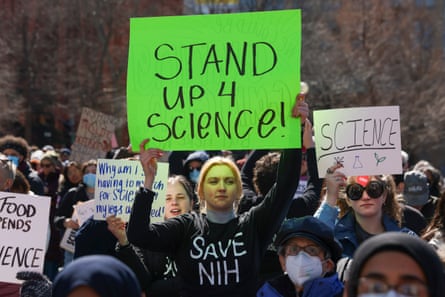
As this movement gains momentum, it will likely face significant challenges and obstacles. Political opposition to increased scientific funding remains entrenched in some quarters, and ideological disagreements about which research directions deserve support will persist. Nevertheless, Delawalla's willingness to step away from her personal career aspirations to defend the broader scientific community demonstrates a commitment to collective wellbeing over individual advancement. Whether Stand Up for Science succeeds in reversing the announced cuts or modifying the administration's policies remains uncertain, but the movement has already accomplished something important: it has given voice to the deep concerns many scientists hold about the future of research in America and mobilized a constituency that might otherwise have remained silent.
Looking ahead, the success of efforts like Stand Up for Science may depend on their ability to connect scientific research to issues that matter to ordinary Americans. While funding for basic research deserves support on its own merits, framing that support in terms of tangible benefits—cures for diseases, treatments for addiction, technologies that improve quality of life—helps build broader public support. Delawalla's background in clinical psychology positions her particularly well to make such connections, explaining not just why research deserves funding but how that research translates into human dignity, health, and hope for millions of people struggling with addiction and other challenges.


