
Recent US-Israeli Strikes Hit Iranian Infrastructure Hard

A string of attacks have targeted Iranian bridges, steel plants, and pharmaceutical facilities, according to verified video footage. Learn more about the escalating conflict between the US, Israel, and Iran.
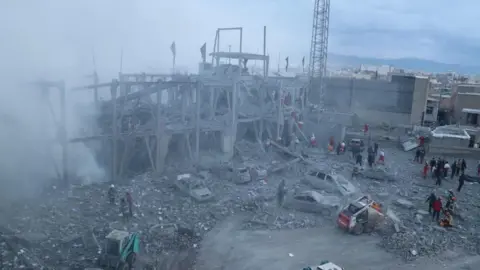
Tensions between the United States, Israel, and Iran have continued to escalate in recent months, with a series of targeted strikes hitting critical Iranian infrastructure. Verified video footage has shown the impacts of these attacks, which have targeted bridges, steel plants, and pharmaceutical facilities across Iran.
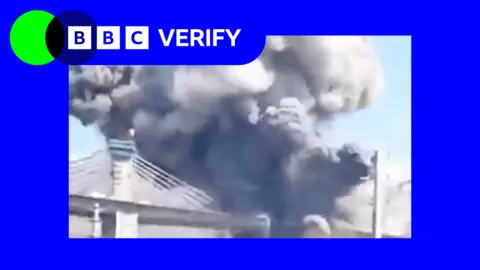
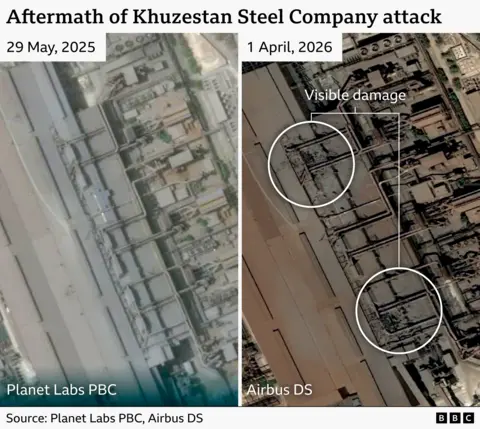
One recent strike hit a bridge in the central Iranian province of Isfahan, severely damaging the structure and disrupting transportation links. Another attack targeted a steel manufacturing facility in the city of Esfahan, a key industrial hub for Iran's economy. And pharmaceutical sites have also been hit, including a facility in the city of Qom that produced critical medications.
While the US and Israel have not officially claimed responsibility for all of these attacks, intelligence reports and geopolitical analysts suggest that they are part of a coordinated effort to degrade Iran's military and economic capabilities. The strikes appear to be focused on infrastructure that supports Iran's defense industry and domestic economy, rather than purely military targets.
"This is an escalating shadow war between the US, Israel, and Iran," said Middle East expert Dr. Amir Abedini. "Each side is trying to inflict maximum damage on the other's capabilities without sparking an all-out conflict. But the risk of miscalculation and retaliation is always present."
Iran has vowed to retaliate for the attacks, but so far its response has been relatively muted. Analysts believe Tehran may be wary of provoking a larger military confrontation that it is not fully prepared for. However, future attacks or sabotage operations targeting US or Israeli interests cannot be ruled out.
The ongoing conflict highlights the complex and volatile geopolitical situation in the Middle East. As the US, Israel, and Iran jostle for regional influence, the risk of a wider conflagration remains a serious concern for global security.
Ultimately, resolving the tensions will require diplomatic engagement and a willingness from all sides to compromise. But with deeply entrenched positions and mistrust on all sides, finding a path to de-escalation may prove extremely challenging in the months and years ahead.
Source: BBC News


