
Roberts-Smith Attends Anzac Day as Booing Disrupts Services

Anzac Day commemorations disrupted by booing during Indigenous acknowledgements in Melbourne and Sydney, while war crimes defendant attends Gold Coast service.
Anzac Day commemorations across Australia took an unexpected turn as Indigenous speakers faced disruptions during dawn services in major cities. The day, traditionally dedicated to honoring fallen service members, became marred by controversial incidents that raised questions about respect and national unity during the solemn occasion.
In Sydney's Martin Place, the morning's dawn service was interrupted by a small but vocal group of protesters who voiced their disapproval during the Indigenous acknowledgement of country. One individual was arrested following the disturbance at the prestigious venue, which hosts thousands of attendees annually. The booing during this significant cultural moment reflected growing tensions around recognition and respect for Australia's First Nations peoples.
Similar disruptions occurred in Melbourne, where Anzac Day services also experienced interruptions during Indigenous welcome ceremonies. These incidents have sparked broader conversations about the meaning of national commemoration and the importance of acknowledging Australia's Indigenous heritage as an integral part of the nation's identity. The disturbances underscore divisions within Australian society regarding how to honor both military service and Indigenous recognition simultaneously.

On the Gold Coast at Currumbin Beach, Victoria Cross recipient Ben Roberts-Smith attended the Anzac Day dawn service, drawing significant attention to the event. Roberts-Smith, who faces serious allegations, has been a polarizing figure in recent public discourse. His presence at the ceremony underscored the complex nature of military commemoration in contemporary Australia, where recognition of service sometimes intersects with legal and ethical controversies.
Despite the legal challenges surrounding his name, Roberts-Smith expressed his commitment to attending the Anzac Day observance. "I never thought about not coming," he stated, emphasizing his dedication to participating in the national remembrance. This declaration reflected his perspective on the importance of the occasion, though his attendance generated considerable public interest given his ongoing legal situation.
The war crimes charges that Roberts-Smith has denied relate to alleged conduct during military operations overseas. Five counts of murder remain contested, with the legal proceedings continuing through Australia's court system. His presence at public commemorations has become a matter of public debate, with supporters and critics alike viewing his participation through different lenses regarding accountability and honor.
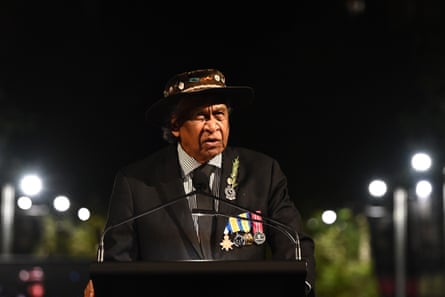
Anzac Day services represent crucial moments in the Australian calendar, bringing together citizens from diverse backgrounds to reflect on military sacrifice and national values. The incorporation of Indigenous acknowledgement in recent years has been recognized as an important step toward greater inclusivity and recognition of Australia's original inhabitants. However, as the disruptions demonstrate, this transition has not been without resistance from some segments of the population.
The timing of these incidents raises important questions about the nature of public discourse during national commemorations. Protest and dissent are fundamental aspects of democratic societies, yet the manner and context in which they occur can significantly impact their reception and effectiveness. The booing during Indigenous acknowledgements specifically targeted a moment intended to recognize and respect First Nations peoples, raising concerns about the motivations behind such disruptions.
Authorities' response to the disruptions, including the arrest at Martin Place, reflected efforts to maintain the solemnity and respect expected during Anzac Day observances. Law enforcement had to balance the right to protest with the need to preserve the dignity of the commemoration. This tension between free expression and respect for sacred national moments continues to be negotiated in Australian public spaces.

The incidents across multiple cities suggest a pattern of organized or coordinated disruption rather than isolated incidents. This raised questions among observers about the underlying motivations and messaging that groups sought to convey through their actions. Analysts and community leaders began examining what these disruptions signified about broader societal attitudes toward Indigenous recognition and national identity.
Military organizations and Anzac Day organizers have long emphasized the values of respect, unity, and honor that underpin the commemoration. The 2024 Anzac Day disruptions challenged these ideals, prompting reflection on how diverse perspectives can coexist during moments of national remembrance. Veterans and military families expressed concern about the disturbances, viewing them as detracting from the solemnity owed to fallen service members.
The Gold Coast event, by contrast, proceeded with less visible controversy, though Roberts-Smith's attendance ensured media attention and public scrutiny. The Currumbin Beach dawn service attracted attendees who came to honor military service, and the presence of a high-profile and controversial military figure added another layer of complexity to the day's proceedings.
Going forward, Anzac Day organizers across Australia will likely consider how to manage similar disruptions while maintaining the inclusive and respectful environment that modern commemoration seeks to achieve. The balance between honoring military service, recognizing Indigenous contributions and presence, and accommodating diverse viewpoints remains an ongoing challenge for the nation. These incidents serve as a reminder that national identity and commemoration are living, contested spaces where fundamental values are continually negotiated.
The broader implications of these Anzac Day disruptions extend beyond the immediate events to reflect deeper questions about national unity, recognition, and respect. As Australia continues to evolve in its understanding of inclusion and acknowledgement, how the nation approaches its military commemorations will remain a significant indicator of its values and priorities for the future.
Source: The Guardian


