
Robot Wars: Ukraine's Unmanned Future

Explore how Ukraine's military deployment of robots and drones is reshaping modern warfare. President Zelensky reveals territory captured using unmanned systems.
In a striking declaration that underscores the transformative nature of modern conflict, Ukrainian President Volodymyr Zelensky recently announced a significant military breakthrough: territorial gains achieved primarily through the deployment of robots and drones rather than traditional ground forces. This development marks a watershed moment in contemporary warfare, prompting military analysts, defense experts, and strategists worldwide to reassess the future trajectory of armed conflict and the role that autonomous systems will play in upcoming battles.
The announcement by President Zelensky comes amid Ukraine's ongoing struggle against Russian invasion forces, a conflict that has already demonstrated the critical importance of innovation and technological adaptation in modern combat scenarios. The successful territorial capture using unmanned systems represents far more than a simple tactical victory; it signals a fundamental shift in how nations might approach battlefield operations in the years to come. This development has reignited discussions about the ethics, legality, and practical implications of unmanned warfare on a scale previously relegated to theoretical debates among defense strategists.
The utilization of robots and drones in Ukraine reflects a broader global trend toward automation in military operations. These unmanned systems offer several distinct advantages over conventional troop deployments, including reduced risk to human soldiers, the ability to operate in hazardous environments, enhanced surveillance capabilities, and the potential for coordinated multi-unit operations across vast territorial expanses. The successful implementation of these technologies in real-world combat conditions has provided invaluable data that will shape military doctrine and procurement strategies across NATO and allied nations for decades to come.
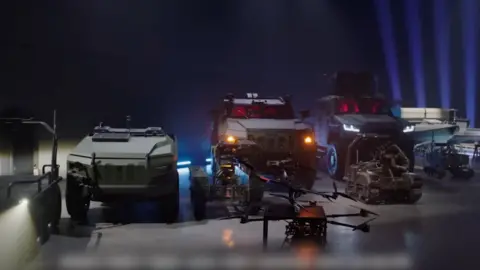
The specifics of how Ukrainian forces deployed these unmanned technologies to capture territory reveal a sophisticated understanding of their capabilities and limitations. Rather than relying exclusively on robots as the sole means of territorial conquest, Ukrainian military commanders appear to have integrated drone technology with conventional intelligence gathering, reconnaissance, and targeted strikes against enemy positions. This hybrid approach demonstrates that the future of warfare will not be exclusively robotic, but rather a carefully orchestrated combination of unmanned systems working in concert with human operators, ground forces, and traditional military strategies.
Drones in particular have proven instrumental in modern warfare scenarios. These aerial platforms provide real-time intelligence, surveillance, and reconnaissance capabilities that allow commanders to make informed tactical decisions rapidly. Beyond mere observation, combat-capable drones can deliver precision strikes against enemy targets, neutralize specific threats, and create psychological pressure on opposing forces. In the Ukrainian context, the strategic deployment of drones has allowed military forces to achieve objectives that might otherwise have required significantly larger ground force commitments, thereby conserving personnel and resources for other critical operational areas.
Ground-based robots present an equally compelling dimension to this technological evolution. These systems can perform tasks ranging from mine detection and disposal to direct combat support and perimeter defense. The ability to deploy robots into contested terrain eliminates the need to risk human soldiers in potentially catastrophic situations. Furthermore, robots can operate continuously without fatigue, maintain higher precision in executing programmed tasks, and gather valuable intelligence in real-time from dangerous locations that would be otherwise inaccessible or prohibitively risky for human personnel.
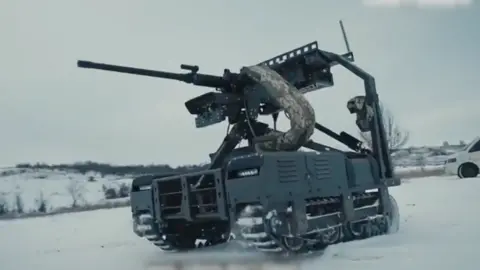
The strategic implications of Ukraine's successful deployment of robotic and drone systems extend far beyond the immediate conflict. Military observers across the globe are carefully analyzing these operations to understand how autonomous technology can be effectively integrated into broader warfare strategies. The lessons learned from Ukraine's experience will inevitably influence defense spending priorities, military research and development initiatives, and the fundamental structure of armed forces in the twenty-first century. Nations that fail to adequately invest in and develop these technologies risk falling behind peer competitors in terms of military capability and strategic advantage.
However, the rise of robotic warfare raises profound ethical and legal questions that societies must grapple with thoughtfully. International humanitarian law, designed during eras when human decision-making was central to combat operations, may need substantial revision to address scenarios where machines make targeting decisions with minimal human intervention. The potential for autonomous systems to malfunction, be hacked, or behave unpredictably in complex battlefield environments creates additional layers of concern. Ethicists and military lawyers worldwide are engaged in intense discussions about establishing appropriate frameworks to govern the use of unmanned systems in conflict situations.
The economic dimensions of this technological shift also merit serious consideration. The development, production, and deployment of sophisticated robotic and drone systems requires substantial capital investment and advanced industrial capacity. Nations with robust defense industries and significant military budgets can more easily transition toward reliance on unmanned systems, potentially creating new forms of technological asymmetry between well-resourced military powers and smaller or less developed nations. This disparity could fundamentally alter the calculus of military power in ways that reshape geopolitical relationships and international security dynamics.

Training and personnel considerations represent another critical aspect of this technological transformation. As militaries increasingly rely on remote operators and autonomous systems, the nature of military service fundamentally changes. Traditional soldier roles may diminish, while demand for technology specialists, programmers, artificial intelligence experts, and remote operators expands dramatically. Military institutions will need to substantially restructure their recruitment, training, and personnel development programs to ensure they can attract and retain the specialized talent necessary to operate and maintain cutting-edge unmanned systems effectively.
The success of unmanned systems in Ukraine should not obscure the ongoing critical role that conventional military forces continue to play in modern conflict. Ground troops, conventional vehicles, artillery systems, and human expertise remain essential components of effective military operations. The optimal approach appears to involve thoughtful integration of unmanned and manned systems, with humans maintaining ultimate decision-making authority in critical situations while leveraging robotic and drone capabilities for specific tactical advantages and force multiplication effects.
Looking toward the future, the trajectory appears clear: unmanned battlefield systems will occupy an increasingly central role in military operations worldwide. As technologies mature, costs decrease, and operational experience accumulates, nations will progressively expand their reliance on these systems. The competitive dynamic unleashed by Ukraine's demonstrated success will likely accelerate development timelines and increase investment commitments across military establishments globally. The nations that most effectively harness and integrate these technologies will likely enjoy significant strategic advantages in future conflicts.

President Zelensky's announcement about territory captured through robotic and drone operations serves as a clarion call to military planners, defense policymakers, and political leaders worldwide. The message is unmistakable: the future battlefield will be dramatically different from the battlefields of the twentieth century. Success in this new environment will require substantial investment in technology development, fundamental reorganization of military structures and personnel, careful consideration of ethical implications, and thoughtful international dialogue about establishing appropriate regulatory frameworks. The era of unmanned warfare has arrived, and Ukraine's experience provides crucial real-world lessons that will shape military strategy and defense policies for generations to come.
Source: BBC News


