
Rubio's Cuba Strategy: Maximum Pressure Campaign Intensifies

US Secretary of State Marco Rubio escalates decades-long personal mission against Cuba's communist government through aggressive diplomatic pressure tactics.
The political landscape of the Western Hemisphere is experiencing a significant transformation as Marco Rubio, the United States Secretary of State and National Security Adviser, intensifies efforts that could fundamentally reshape relations between Washington and Havana. After decades of personal advocacy and strategic maneuvering within Republican circles, Rubio's moment has arrived—the Trump administration's aggressive maximum pressure campaign against Cuba represents both the culmination of his lifelong ambition and a critical juncture in American foreign policy toward Latin America.
As the son of Cuban immigrants who fled the island nation, Rubio has long positioned himself as a leading voice on Cuba policy within conservative political circles. His appointment as Secretary of State under the Trump administration represents an unprecedented opportunity to translate decades of ideological commitment into concrete action. The ongoing campaign to exert maximum pressure on Cuba reflects a comprehensive strategy designed to isolate the 67-year-old communist government in Havana and force substantive political change on the island nation.
Rubio's personal history deeply informs his approach to Cuba-US relations. Growing up as the son of immigrants who escaped communist rule, he has maintained an unwavering commitment to challenging the Castro regime's authority and promoting democratic transformation in Cuba. This deeply rooted conviction has driven his political career and shaped his foreign policy priorities, making the current moment particularly significant for both his personal trajectory and American hemispheric interests.

The Trump administration's strategy toward Cuba encompasses multiple pressure points designed to constrain the regime's resources and international standing. Through diplomatic channels, economic sanctions, and public statements emphasizing the gravity of the situation, the administration is implementing what officials describe as a comprehensive approach to compelling behavioral change. This multifaceted strategy reflects months of careful planning within the State Department and demonstrates Rubio's significant influence over the administration's Latin American agenda.
Washington's assertion of authority across the Western Hemisphere remains a central objective of the current foreign policy approach. By leveraging Cuba as a focal point for regional influence, the Trump administration seeks to reinforce American dominance in an area historically considered within the United States sphere of influence. This strategic orientation aligns with broader Republican foreign policy traditions while advancing Rubio's personal vision for hemispheric relations.
The geopolitical implications of the Cuba pressure campaign extend beyond the bilateral relationship between the two nations. Regional actors across Latin America are carefully monitoring the situation, recognizing that the outcome could significantly influence how the United States approaches broader hemispheric challenges. Neighboring countries, international allies, and various stakeholder groups are closely watching developments, understanding that precedents established through Cuba policy could shape future American engagement across the region.

Rubio's ascendancy within the Trump administration reflects his successful navigation of internal political dynamics and his cultivation of trust with the president. His positioning as both Secretary of State and a key voice on national security matters demonstrates the significant influence he wields over American foreign policy decisions. This concentration of responsibility provides him with substantial authority to advance his long-held objectives regarding Cuba and broader Latin American strategy.
The historical context of US-Cuba relations weighs heavily on current developments. Decades of antagonism, failed diplomatic initiatives, and competing visions for the island's political future have created a complex landscape that current policymakers must navigate. Rubio's approach builds upon this historical foundation while attempting to chart a new course through increasingly aggressive pressure tactics.
International observers have noted the significant shift in American posture toward Cuba under the Trump administration's leadership. Where previous administrations pursued cautious engagement and limited diplomatic normalization, the current approach emphasizes confrontation and isolation. This strategic reorientation reflects Rubio's increased influence over policy direction and demonstrates his ability to translate ideological commitments into actionable diplomatic strategy.

The potential consequences of the maximum pressure campaign extend to humanitarian considerations and the lives of ordinary Cubans who may face increased economic hardship as sanctions tighten. Critics argue that such measures disproportionately affect vulnerable populations while potentially strengthening regime resolve rather than weakening it. However, administration officials maintain that economic pressure represents the most effective mechanism for compelling the government toward democratic reforms.
Rubio's personal investment in this policy initiative cannot be overstated. His family history, political ideology, and career aspirations converge on the Cuba issue in ways that fundamentally motivate his approach. For Rubio, successful outcomes in Cuba represent not merely a policy achievement but a validation of decades-long personal commitment to opposing communist governance in the Western Hemisphere.
The future trajectory of Cuba-US relations remains uncertain, though the intensity of current pressure suggests the administration is committed to maintaining its aggressive posture indefinitely. Whether this approach ultimately achieves its stated objectives of government transformation remains to be seen, but the political significance of the campaign for Rubio's legacy is already becoming apparent. This moment represents a defining opportunity for the Secretary of State to leave a lasting mark on American foreign policy and regional dynamics.
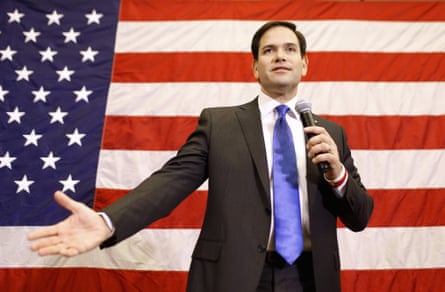
The broader implications of the Cuba campaign for American foreign policy extend beyond this single nation. The precedent established through aggressive pressure tactics may influence how the United States approaches other regional challenges and relationships. Rubio's success in driving this agenda could substantially reshape American engagement across Latin America and potentially establish new templates for handling diplomatic disputes in the region.
Source: The Guardian


