
Russia Plans Rocket Advertising Amid Economic Strain

Russia explores unconventional advertising on spacecraft and rockets as economic pressures mount from Ukraine war and international sanctions.
Assessing the current state of Russia's economy presents significant challenges for international observers and analysts. The country's financial reporting remains notoriously opaque, with sparse disclosure requirements and official figures that frequently lack transparency and reliability. These structural barriers make it increasingly difficult to gain accurate insights into the true health of Russia's economic performance during this period of unprecedented geopolitical tension.
Despite these measurement difficulties, available evidence suggests the situation is far from encouraging. This week, Sweden's minister of foreign affairs, Maria Malmer Stenergard, shared her country's assessment that the Russian economy has likely contracted over the last five years amid the ongoing war in Ukraine. The economic contraction represents a dramatic reversal from previous decades, reflecting the cumulative toll of military operations, international isolation, and structural economic challenges.
The Swedish government's analysis highlights multiple interconnected economic pressures facing Russia simultaneously. International sanctions have proven particularly devastating, costing Russia an estimated $450 billion since the onset of the war in February 2022. When combined with other economic headwinds, these sanctions have fundamentally reshaped Russia's economic landscape, forcing policymakers to make difficult choices about resource allocation and spending priorities.
Stenergard emphasized the staggering disparity between Russia's current economic output and developed economies, noting that Russia's entire economy is now smaller than that of Texas alone. This comparison underscores how dramatically geopolitical tensions and economic isolation have compressed Russia's economic footprint on the global stage. The country that once positioned itself as a major economic power now finds itself increasingly marginalized from international trade and investment networks.
Beyond these macro-level challenges, Russia faces severe pressure on its government budget and financial resources. The war continues to drain enormous sums from the federal treasury, forcing difficult tradeoffs between military spending and essential social programs. According to recent analysis, defense spending has reached a post-Soviet record, consuming approximately 7 percent of total government spending.
This unprecedented allocation of resources to military operations reflects the priority the Russian government has placed on sustaining its military campaign in Ukraine. The sheer magnitude of defense expenditures—representing the highest level since the collapse of the Soviet Union—demonstrates the enormous financial commitment required to maintain Russian military operations. This drain on government finances inevitably impacts other sectors of the economy and society.
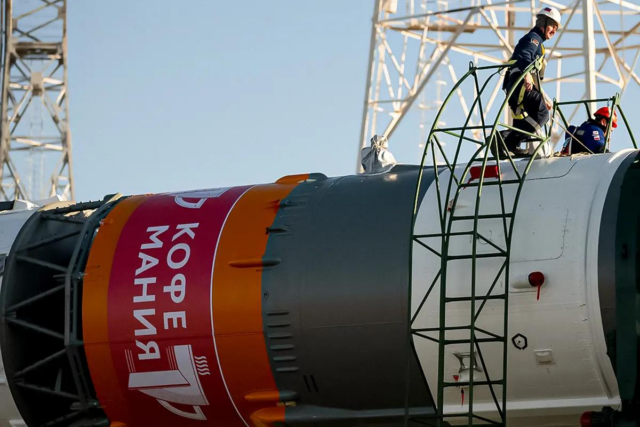
The confluence of economic contraction, international sanctions, and massive military spending has forced Russian officials to explore unconventional revenue-generating strategies. Among the most creative—and somewhat surprising—proposals is a plan to monetize Russia's space program through advertising on rockets and spacecraft. This innovative approach reflects how severely constrained Russia's financial situation has become.
The idea of selling advertising space on rockets and spacecraft represents a dramatic departure from traditional government space program financing models. Rather than relying solely on government budgets or commercial contracts, Russian space officials appear increasingly willing to consider alternative revenue streams. This reflects both the desperation of the situation and the potential untapped commercial value of Russia's space assets.
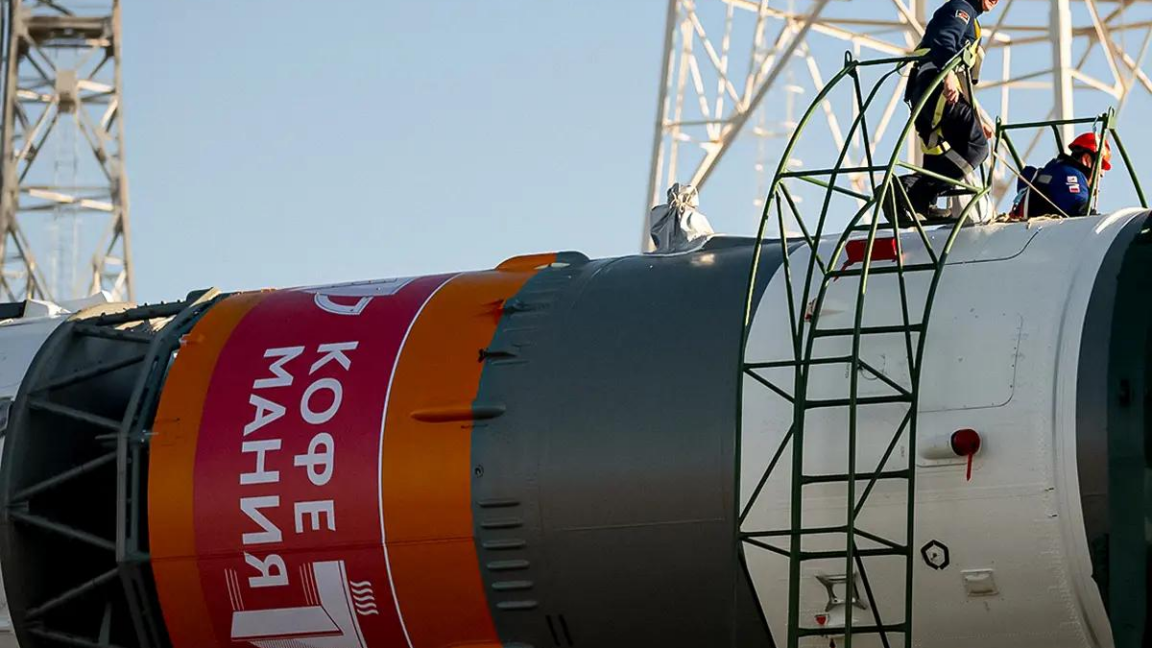
Implementing such an advertising strategy would require navigating complex international regulations governing space activities, as well as overcoming practical challenges of displaying advertisements in the vacuum of space. The proposal nonetheless highlights the creative problem-solving Russian officials are pursuing as they attempt to maintain essential programs amid severe budget constraints. It also demonstrates how the war's economic impact has permeated even traditionally non-commercial sectors like space exploration.
Russia's space program historically served strategic and scientific purposes rather than commercial objectives. However, the mounting economic pressure threatens the program's long-term viability unless alternative funding sources can be identified. The rocket advertising proposal, while unconventional, represents one potential solution to this challenge.
The broader context of Russia's economic difficulties extends beyond simple budget constraints. The war in Ukraine has disrupted supply chains, isolated Russia from global markets, and prompted many international companies to withdraw from the Russian market. These structural economic changes have long-term implications that extend well beyond the duration of the conflict itself.

Looking forward, Russia's economic trajectory depends heavily on the resolution of the conflict and the potential normalization of international relations. Without such normalization, the country faces prolonged economic strain, continued brain drain as skilled workers emigrate, and ongoing difficulty attracting foreign investment. The proposed advertising on space vehicles may generate modest revenue, but it cannot address the fundamental structural challenges facing the Russian economy.
The economic pressure Russia faces extends to nearly every sector of government and society. Education, healthcare, infrastructure, and other essential services compete with military spending for limited government resources. As defense budgets consume unprecedented shares of government spending, pressure mounts on other sectors to do more with less.
International observers will continue monitoring Russia's economic performance closely, though reliable data remains scarce. The Swedish government's assessment, based on intelligence gathering capabilities, provides one of the more credible external evaluations of Russia's true economic situation. As the war continues, the economic costs to Russia will likely mount further, potentially forcing even more creative—and unusual—approaches to government financing.
Source: Ars Technica


