
Ryanair Confident on Fuel but Warns of Higher Fares

Budget airline Ryanair says it will avoid jet fuel shortages this summer but cautions travelers that booking later could mean paying significantly more for flights.
Ryanair has reassured travelers that it expects to navigate through the summer season without encountering significant jet fuel shortage concerns, even as the aviation industry grapples with broader supply chain anxieties linked to geopolitical tensions. However, the budget carrier's leadership has simultaneously issued a cautionary message about pricing dynamics, suggesting that passengers who delay their flight bookings until later in the year may encounter substantially elevated fares compared to early reservations.
Neil Sorahan, serving as chief financial officer at the Irish-based airline, expressed optimism regarding fuel supply stability during the critical summer travel season. In recent statements, Sorahan emphasized that the airline's internal assessments and market analysis have led to increased confidence that fuel supply shocks will be avoided throughout the peak vacation months. This reassurance comes at a time when the aviation sector has been monitoring potential disruptions stemming from international conflicts and their cascading effects on global energy markets.
The airline's positive outlook on fuel availability contrasts with lingering concerns that have rippled through the travel industry over recent months. Several carriers have expressed anxiety about potential supply interruptions, leading some airlines to implement capacity adjustments and implement contingency measures. Ryanair's confidence suggests that either their supply contracts provide sufficient insulation from market volatility, or that the airline has secured advantageous sourcing arrangements that protect against sudden price spikes or availability constraints.
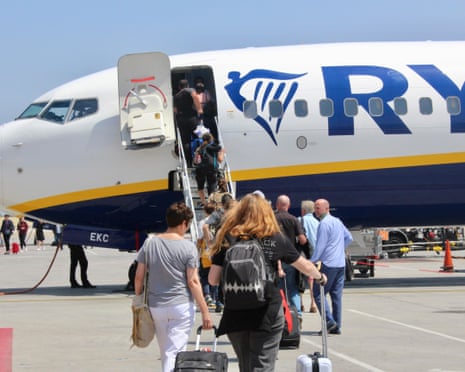
While the fuel supply situation appears manageable from Ryanair's perspective, the airline is preparing travelers for a different challenge: airfare increases for bookings made closer to departure dates. This pricing strategy reflects broader industry dynamics where demand patterns and booking windows significantly influence ticket costs. Sorahan's warning suggests that the traditional pattern of last-minute booking discounts may not hold true for Ryanair in the coming months, a shift that could impact budget-conscious travelers' travel planning strategies.
The phenomenon that Ryanair is highlighting relates to how modern airline pricing algorithms work in real-time response to market conditions. When booking windows narrow and departure dates approach, airlines typically adjust prices upward to capture value from passengers with less flexibility and more urgent travel needs. The airline's explicit warning about this pattern suggests that pricing pressures may be more acute than usual, potentially due to elevated operational costs, increased demand, or strategic capacity management decisions.
Industry observers have noted that booking behavior patterns among travelers have shifted considerably over recent years. Ryanair's commentary indicates that passengers are increasingly leaving their travel arrangements until the last moment, which creates a compressed booking window and allows airlines to implement more aggressive dynamic pricing strategies. This behavioral shift could stem from economic uncertainty, the prevalence of flexible working arrangements, or simply changing consumer preferences regarding travel planning.
The implications of Ryanair's dual message are significant for the traveling public. On one hand, consumers can take comfort in the airline's confidence that operational disruptions related to fuel availability will not derail summer travel plans or trigger the widespread flight cancellations that some feared. On the other hand, the warning about fare price increases for late bookings creates a compelling incentive for travelers to lock in their reservations sooner rather than later. This places early planning at a premium, potentially changing vacation planning dynamics for Ryanair's customer base.
The broader context of these warnings involves the intersection of geopolitical risk, energy markets, and airline economics. The Iran war references that have circulated through aviation industry discussions reflect concerns about potential disruptions to oil supplies and refining capacity, which could theoretically impact aviation fuel prices globally. Ryanair's assessment that these risks appear manageable for the upcoming summer season suggests either that actual supply chain impacts have been less severe than anticipated, or that market mechanisms have already priced in potential disruptions.
For consumers evaluating their travel options, the airline's warnings underscore the importance of strategic booking decisions. The traditional advice to book early for better prices appears to have renewed validity based on Ryanair's commentary. Travelers with flexible schedules who can commit to summer vacation dates earlier may find themselves with significantly better pricing options compared to those who delay their bookings by several weeks or months.
Ryanair's position also reflects the airline's confidence in its operational resilience and market positioning. As a low-cost carrier, the airline's ability to maintain supply chain stability while others worry about disruptions could provide a competitive advantage during a summer season where travel demand remains robust. The airline's dual message of fuel confidence combined with pricing warnings suggests a company that is managing both operational and commercial considerations thoughtfully.
The airline industry continues to navigate a complex landscape of geopolitical risks, energy price volatility, and shifting consumer demand patterns. Ryanair's public statements serve as a barometer of industry sentiment, revealing both areas of confidence and zones of concern. The reassurance about fuel supply may help stabilize traveler confidence about whether their flights will actually operate as scheduled, addressing one category of anxiety that has periodically surfaced throughout the travel industry in recent months.
Looking ahead, the interplay between travel demand, booking patterns, and pricing will likely continue to evolve. Airlines are closely monitoring how consumers respond to warnings about higher fares for late bookings, and whether such messaging effectively shifts booking behavior earlier in the planning cycle. The competitive dynamics among budget carriers like Ryanair also factor into these considerations, as pricing strategies must balance revenue optimization with maintaining competitiveness in an intensely price-sensitive market segment.
Ultimately, Ryanair's statement captures the current state of airline industry optimism tempered by commercial realities. While operational risks appear manageable for the summer ahead, the economic pressures on airlines remain real, manifesting in upward pressure on fares for passengers who book later. Travelers responding to this guidance by booking earlier can potentially secure better rates, while the airline benefits from improved advance revenue visibility and more predictable demand signals during the critical peak season months.
Source: The Guardian


