
Samsung & Google Unveil Android XR Smartglasses

Samsung and Google reveal upcoming Android XR smartglasses at Google I/O, designed with Warby Parker and Gentle Monster. Discover what's next in wearable tech.
At Google's annual developer conference, Samsung and Google have officially unveiled their highly anticipated Android XR smartglasses, marking a significant milestone in the evolution of wearable augmented reality technology. The announcement represents a collaborative effort between two of the world's most influential tech companies, signaling their commitment to advancing the next generation of spatial computing devices that promise to reshape how users interact with digital content in their daily lives.
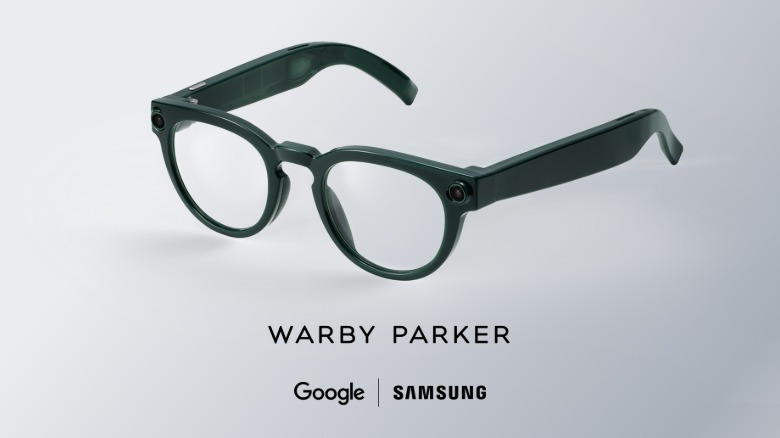
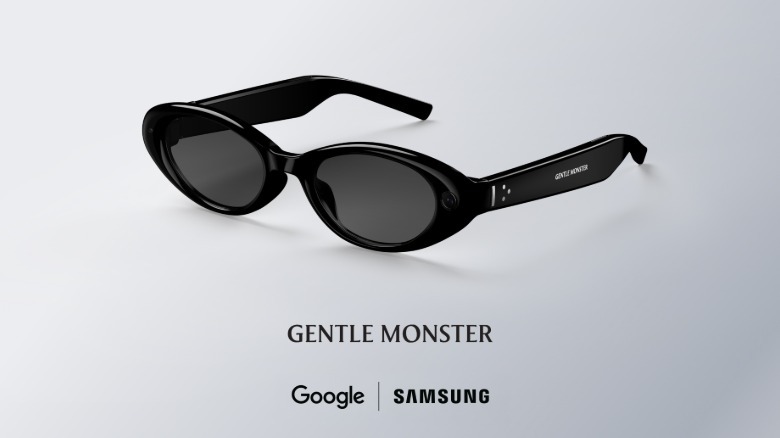
The partnership with Warby Parker and Gentle Monster demonstrates a strategic approach to smartglasses design, combining expertise in optical engineering, fashion-forward design, and consumer accessibility. Warby Parker, known for revolutionizing the eyewear industry through direct-to-consumer models and stylish frames, brings its design sensibility and retail expertise. Gentle Monster, the South Korean luxury eyewear brand, contributes its reputation for high-fashion eyewear and cutting-edge aesthetic innovations. Together with Samsung and Google, these companies are working to create devices that don't just function as powerful computing tools but also serve as stylish accessories people genuinely want to wear.
The teased devices showcase next-generation augmented reality capabilities that leverage Android's open ecosystem approach. Unlike closed proprietary systems, Android XR smartglasses are designed to work seamlessly with the existing Android smartphone ecosystem, providing users with a unified experience across their devices. This integration strategy aims to lower barriers to entry and accelerate mainstream adoption of AR technology, positioning these smartglasses as essential companions to smartphones rather than entirely separate devices requiring completely different user interfaces.

Google I/O served as the ideal stage for this announcement, as the conference traditionally focuses on software innovations and developer tools that power the Android ecosystem. By unveiling the smartglasses at Google I/O, both companies signaled that these devices would benefit from Android's robust development framework and the contributions of thousands of developers worldwide. The timing suggests these are not merely conceptual prototypes but carefully engineered products approaching commercial readiness, with development teams having already invested significant time refining the hardware and software integration.
The design philosophy behind these devices appears to prioritize wearability and comfort, crucial factors that have limited adoption of previous AR glasses. By collaborating with established eyewear brands, Samsung and Google are addressing a critical gap that purely tech-focused companies have struggled with—creating devices that feel natural to wear for extended periods and that complement rather than detract from a person's appearance. The fashion-forward approach suggests the companies understand that AR smartglasses cannot succeed if consumers view them as bulky, unfashionable gadgets tethered to tech nerds.
The technical specifications and capabilities of the Android XR platform remain partially under wraps, though industry analysts expect features common to modern AR experiences. These likely include real-time object recognition, spatial computing capabilities, gesture recognition, and seamless integration with cloud services. The smartglasses are expected to feature advanced display technology, possibly microLED or similar high-resolution displays capable of rendering detailed digital information over the user's natural field of view without creating the disorientation that plagued earlier AR glasses implementations.
Samsung's involvement brings its manufacturing expertise and commitment to premium materials and construction quality. The company's experience producing folding screens, sophisticated sensor arrays, and optimized power management systems will prove invaluable in creating smartglasses that balance performance with battery life. Meanwhile, Google contributes its software prowess, machine learning capabilities, and cloud infrastructure that can power intelligent features like real-time translation, contextual information retrieval, and personalized user experiences powered by AI algorithms.
The partnership with Warby Parker specifically addresses accessibility concerns that have historically limited AR device adoption. Warby Parker's mission to make eyewear affordable and accessible aligns with both Samsung and Google's goal to democratize augmented reality technology. The collaboration likely means the smartglasses will eventually be available in various configurations, potentially including prescription lens options for users who require vision correction—a feature absent from most existing AR glasses and a significant barrier to mainstream adoption.
Gentle Monster's involvement adds a luxury dimension to the product lineup, suggesting Samsung and Google may pursue a multi-tiered approach to the market. While Warby Parker-branded versions might emphasize affordability and accessibility, Gentle Monster-branded iterations could target premium consumers willing to pay higher prices for exclusive designs and advanced features. This strategy maximizes market reach by appealing to diverse consumer segments with varying budget constraints and style preferences.
The Android XR ecosystem promises to rival and potentially surpass proprietary systems like Apple's Vision Pro in terms of developer support and application variety. By building on the proven Android platform that powers billions of devices worldwide, Google ensures that developers already familiar with Android development can more easily create applications for the new smartglasses. This lower barrier to entry for developers could result in a richer ecosystem of applications appearing more quickly than would otherwise be possible with a completely new platform.
Competition in the AR smartglasses market has been intensifying, with companies like Meta, Apple, and various Chinese manufacturers racing to develop viable consumer products. Meta's mixed reality focus through its Quest line and Ray-Ban partnership positions it as a major competitor, while Apple's Vision Pro, though positioned as a premium spatial computing device rather than smartglasses specifically, has created market momentum. Samsung and Google's announcement at Google I/O represents a decisive move to establish their own foothold in this rapidly evolving and increasingly important market segment.
Industry observers note that the success of these smartglasses will largely depend on compelling use cases that justify the expense and justify wearing an additional device. Practical applications might include navigation and wayfinding, professional use in fields like healthcare and manufacturing, gaming and entertainment, and productivity tools that seamlessly integrate with smartphones and computers. The key challenge will be moving beyond technological novelty to genuine utility that improves people's lives in measurable ways.
The teaser campaign at Google I/O likely means full specifications, pricing, and availability information will be released in subsequent months. Tech enthusiasts and industry analysts are eagerly awaiting details about processing power, battery life, display resolution, and the specific applications that will launch alongside these devices. Samsung and Google will need to deliver compelling reasons for consumers to adopt this new technology category, particularly given the premium prices expected for these advanced devices.
Looking ahead, the Android XR smartglasses announcement represents a watershed moment for augmented reality technology. If Samsung and Google can successfully execute their vision—creating stylish, functional, and affordable AR glasses backed by robust software ecosystems and developer communities—they could catalyze mainstream adoption of AR technology. This announcement demonstrates the companies' confidence in the viability of AR as a fundamental computing platform for the next decade, positioning them as leaders in shaping how humans interact with digital information in physical spaces.
Source: Engadget


.jpg&w=3840&q=75)