
Satellites & AI Track UK Hedgehogs to Reverse Population Decline

Revolutionary satellite and AI technology monitors UK hedgehogs to understand population decline. Researchers identify barriers to food and mating in the wild.
In a groundbreaking conservation initiative, researchers across the United Kingdom are deploying cutting-edge satellite technology and artificial intelligence to monitor hedgehog populations and combat their alarming decline. This innovative approach represents a significant leap forward in wildlife conservation, combining space-age monitoring systems with advanced computational analysis to track these beloved creatures in their natural habitats. The project aims not only to document population trends but also to unlock the mysteries of why hedgehog numbers have plummeted so dramatically over recent decades.
The decline of UK hedgehogs has reached crisis proportions, with populations shrinking by an estimated 97% since the 1950s. Urban hedgehog populations have declined by approximately 75% since 2000, while rural populations have experienced even more severe drops of up to 50% in the same period. These sobering statistics have prompted conservationists and scientists to take action, recognizing that traditional monitoring methods are insufficient to address the scale of the problem. The integration of satellite monitoring and AI technology offers unprecedented insight into hedgehog behavior and habitat utilization.
The research team is utilizing sophisticated satellite imagery combined with machine learning algorithms to track hedgehog movements and identify critical habitat features. By analyzing data collected from multiple sources, including thermal imaging and movement patterns, researchers can determine how individual hedgehogs navigate their environments. This AI-powered analysis enables scientists to spot patterns that would be impossible to detect through manual observation alone, providing a holistic understanding of hedgehog ecology across diverse landscapes. The technology can process vast amounts of data quickly, allowing researchers to monitor hundreds of animals simultaneously across multiple locations.
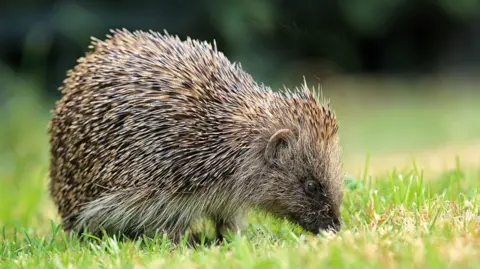
A crucial aspect of this research initiative focuses on identifying the specific barriers preventing hedgehogs from accessing food sources and finding mates. Habitat fragmentation stands as one of the primary challenges, as modern development has carved landscapes into isolated patches where hedgehogs struggle to move between areas. The AI systems can identify these fragmented zones and highlight where wildlife corridors might be established to reconnect populations. Additionally, the research reveals how changes in agricultural practices, urban development, and pesticide use have dramatically altered the availability of invertebrates that form the hedgehog's primary diet.
The project examines multiple environmental factors that influence hedgehog survival and reproduction rates. Researchers are mapping the distribution of food sources, analyzing temporal patterns of activity, and assessing how weather conditions and seasonal changes affect hedgehog behavior. The satellite data reveals surprising insights about how hedgehogs utilize different habitat types throughout the year, with seasonal variations in movement patterns and range size. By understanding these dynamics, scientists can better predict population trends and identify which habitats require immediate conservation attention.
Conservation implications of this research extend far beyond simple population counting. The findings will directly inform habitat management strategies, planning regulations, and conservation policies across the UK. Local authorities and landowners can use the data to make informed decisions about land use, whether through creating hedgehog highways in gardens, establishing wildlife corridors in agricultural areas, or modifying urban planning to accommodate wildlife needs. The research demonstrates that technology and nature conservation can work hand in hand to create meaningful, data-driven solutions to conservation challenges.
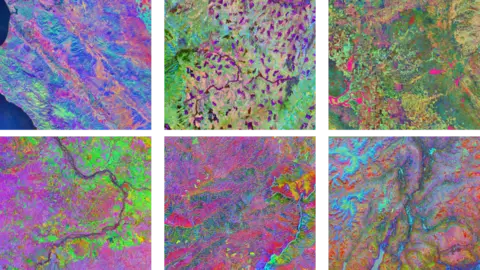
The hedgehog population crisis reflects broader ecological concerns about biodiversity loss and habitat degradation. These small mammals serve as important indicators of ecosystem health, and their decline signals deteriorating conditions for countless other species. The research team emphasizes that protecting hedgehogs requires systemic changes across multiple sectors, from agriculture to urban planning. By providing concrete evidence of how specific barriers affect hedgehog populations, this research creates a compelling case for landscape-level conservation interventions that benefit not only hedgehogs but entire ecosystems.
Community engagement forms a vital component of the overall conservation strategy. The researchers are working with local communities, conservation organizations, and citizen science networks to gather complementary data and build public support for hedgehog protection measures. Public participation in monitoring efforts helps extend the reach of the project beyond what satellites alone can achieve, while simultaneously raising awareness about the hedgehog crisis. These collaborative approaches have proven highly effective in conservation initiatives, creating a sense of shared responsibility for protecting wildlife.
The technological infrastructure supporting this initiative represents a significant investment in conservation science. The satellite systems provide consistent, high-resolution data across vast geographical areas, while the machine learning algorithms process this information to identify meaningful patterns and trends. The integration of multiple data streams, including satellite imagery, thermal data, acoustic monitoring, and ground-based observations, creates a comprehensive picture of hedgehog ecology. This multi-layered approach provides researchers with insights that no single monitoring method could achieve alone.

Looking forward, the success of this project could establish a template for monitoring other declining species across the UK and internationally. As conservation technology continues to advance, similar approaches might be adapted to track badgers, bats, birds, and numerous other species of conservation concern. The hedgehog project demonstrates the transformative potential of combining satellite technology with artificial intelligence to address real-world conservation challenges at scale. These methodologies could prove invaluable as wildlife monitoring becomes increasingly urgent in the face of climate change and habitat loss.
The research timeline extends over several years, allowing scientists to collect sufficient data to establish reliable baseline populations and detect significant changes over time. Preliminary results have already provided valuable insights into hedgehog population dynamics and habitat requirements, with findings suggesting that targeted habitat interventions could significantly improve survival and reproduction rates. The team remains optimistic that this evidence-based approach will catalyze meaningful action to reverse hedgehog decline and demonstrate that technology-driven conservation can deliver tangible benefits for wildlife and ecosystems.
Source: BBC News


