
Saudi Arabia Ends LIV Golf Funding, Threatens Series Future

Saudi Arabia withdraws multi-billion dollar investment in LIV Golf after this season. Major uncertainty looms over the controversial golf series' viability and future operations.
Saudi Arabia's Public Investment Fund has announced a seismic shift in its commitment to professional golf, signaling an end to its substantial financial backing of LIV Golf following the conclusion of the current season. This decision represents a dramatic reversal of the kingdom's aggressive expansion into the sport and raises serious questions about the long-term viability of the breakaway golf series that has fundamentally disrupted the landscape of professional golf over the past two years.
The Saudi-backed venture, which launched in early 2022 with fanfare and controversial promises of unprecedented prize money, has consumed billions of dollars in funding as it established itself as a direct competitor to the PGA Tour. Now, with the kingdom's financial commitment set to evaporate, insiders and observers are grappling with the implications for tournament schedules, player contracts, and the possibility of reconciliation with traditional golf governance structures. The withdrawal of support marks a critical juncture in what many have characterized as golf's most dramatic transformation in decades.
This pivot by Saudi Arabia's state-backed investment apparatus signals shifting priorities within the kingdom's broader sports diversification strategy. Officials in Riyadh have increasingly focused resources on other major sporting events and infrastructure projects, from the upcoming FIFA World Cup hosting to boxing promotions and other athletic ventures. The LIV Golf funding withdrawal reflects a reassessment of how the kingdom allocates its considerable resources across the global sports landscape.
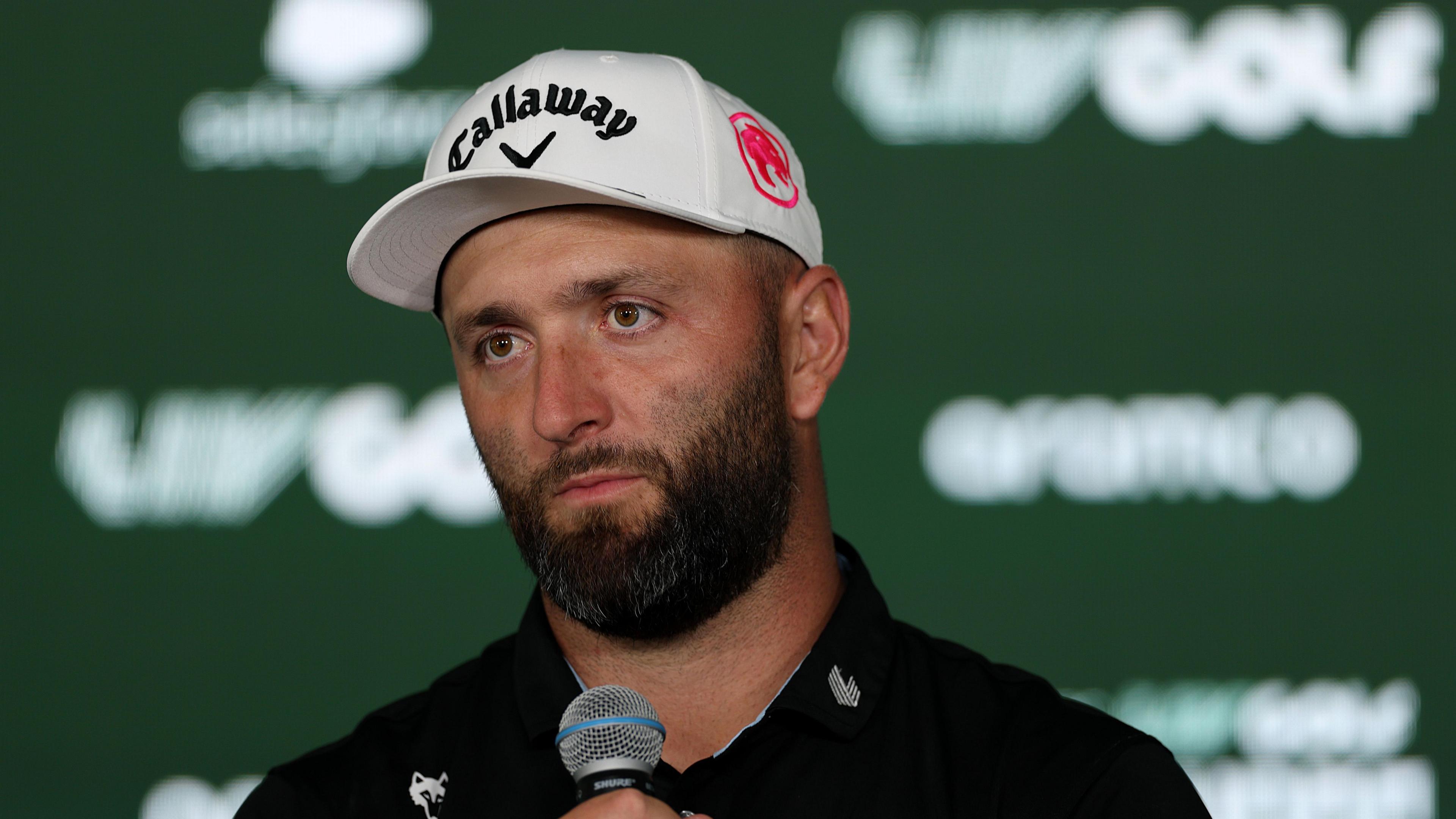
The news has sent shockwaves through the professional golf community, with players, sponsors, and stakeholders scrambling to understand what this means for their investments and careers. Many athletes signed multi-year contracts with the league based on assurances of substantial Saudi financial backing, creating potential legal and financial complications as the end date approaches. Tournament sponsors and media partners who made commitments based on the series' apparent stability are also facing uncertain prospects.
Industry analysts have been divided on the implications of this announcement. Some experts suggest that LIV Golf merger negotiations with the PGA Tour could accelerate as the financial pressure mounts, potentially hastening a resolution to the bitter divide that has consumed professional golf. Others warn that the withdrawal of Saudi funding could result in significant downsizing or even collapse of the organization, leaving players and investors with substantial losses.
The professional golf landscape has been in turmoil since LIV Golf's emergence challenged decades of PGA Tour dominance. The series attracted prominent players including Phil Mickelson, Bryson DeChambeau, and Dustin Johnson with guaranteed appearance fees and team-based competition formats that differed dramatically from traditional tournament structures. However, the venture has remained controversial, with critics highlighting concerns about Saudi Arabia's human rights record and the geopolitical dimensions of the kingdom's sports investments.
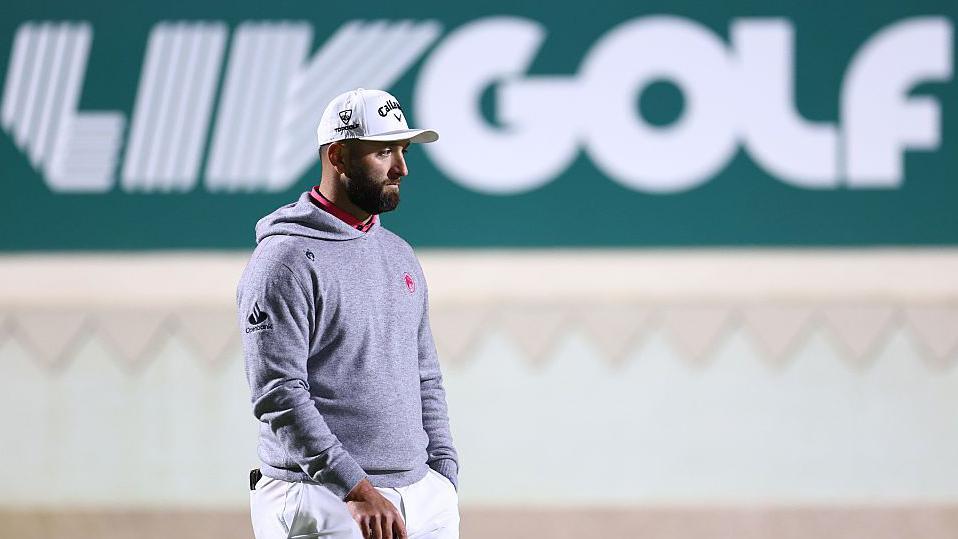
Financial analysts had previously questioned the long-term sustainability of LIV Golf operations given the scale of losses being incurred annually. The organization reportedly burned through billions in operating costs, broadcasting rights expenses, and player compensation while generating minimal commercial revenue through traditional sources like television contracts or sponsorships. The business model appeared dependent entirely on continued Saudi largesse, making the operation fragile from the outset.
The timing of this announcement carries particular significance given ongoing discussions about potential consolidation in professional golf. PGA Tour leadership and LIV Golf representatives have been engaged in preliminary conversations about possible integration, though substantial obstacles remain regarding governance, player eligibility, and financial terms. The withdrawal of Saudi financial support could either accelerate these negotiations or complicate them further by introducing new urgency and instability.
Players who invested their reputations and careers into joining the Saudi-backed venture now face difficult decisions about their futures. Some athletes signed substantial guaranteed contracts extending several years beyond the current season, creating questions about who will honor those financial commitments if Saudi Arabia follows through on its funding withdrawal. The uncertainty has already begun affecting player recruitment and retention strategies across the professional golf ecosystem.
Tournament operations present another significant challenge in the post-funding scenario. LIV Golf has organized an ambitious international schedule featuring events across multiple continents, with substantial prize purses and operational expenses that depend on reliable financing. Without Saudi investment funding, the organization would need to identify alternative revenue sources, reduce its operational scope, or negotiate new financial partnerships to continue functioning at current levels.
The broader implications extend beyond golf itself, touching on questions about sports diplomacy, geopolitical soft power, and the role of state-backed investment in professional athletics. Saudi Arabia's strategic engagement with global sports over the past several years has represented part of a larger initiative to enhance the kingdom's international image and influence. The LIV Golf funding withdrawal suggests a recalibration of this broader approach, potentially reflecting either changed political priorities or recognition that the golf venture was not delivering anticipated returns on investment.
Broadcasting and media partners who negotiated content deals with LIV Golf now confront uncertainty about future delivery obligations and content availability. International television networks that signed agreements to broadcast the series may face challenges if the organization substantially reduces operations or ceases existence. These contractual complications could generate additional legal disputes and financial consequences flowing from the Saudi funding decision.

The golf industry future now depends significantly on how the various stakeholders respond to this development in coming weeks and months. Golf fans remain divided over LIV Golf's impact on the sport, with some appreciating the increased competition and financial opportunities for players, while others criticize the venture for fragmenting professional golf and associating the sport with controversial governance. The funding withdrawal may ultimately resolve this division by forcing consolidation or closure.
Industry insiders expect rapid developments in response to Saudi Arabia's announcement. Golf's governing bodies, player associations, and commercial interests have strong incentives to reach decisive resolutions rather than operating in prolonged uncertainty. Whether this pressure produces a negotiated merger between competing organizations, a managed wind-down of LIV Golf, or some alternative arrangement remains to be seen as the professional golf community navigates this transformative moment.
Source: BBC News


