
Saving a Vital NASA Satellite: A Pioneering Commercial Rescue Mission

A unique NASA observatory, the Swift Telescope, is falling out of orbit. Learn how a commercial team is stepping in to stabilize its orbit and extend its mission.
Broomfield, Colorado — One of NASA's oldest astronomy missions, the Neil Gehrels Swift Observatory, has been out of action for more than a month as scientists await the arrival of a pioneering robotic rescue mission.
The 21-year-old spacecraft is falling out of orbit, and NASA officials believe it's worth saving — for the right price. Swift is not a flagship astronomy mission like Hubble or Webb, so there's no talk of sending astronauts or spending hundreds of millions of dollars on a rescue expedition. Hubble was upgraded by five space shuttle missions, and billionaire and commercial astronaut Jared Isaacman — now NASA's administrator — proposed a privately funded mission to service Hubble in 2022, but the agency rejected the idea.
Swift may be a more suitable target for a first-of-a-kind commercial rescue mission. It has cost roughly $500 million (adjusted for inflation) to build, launch, and operate, but it is significantly less expensive than Hubble, so the consequences of a botched rescue would be far less severe. Last September, NASA awarded a company named Katalyst Space Technologies a $30 million contract to rapidly build and launch a commercial satellite to stabilize Swift's orbit and extend its mission.
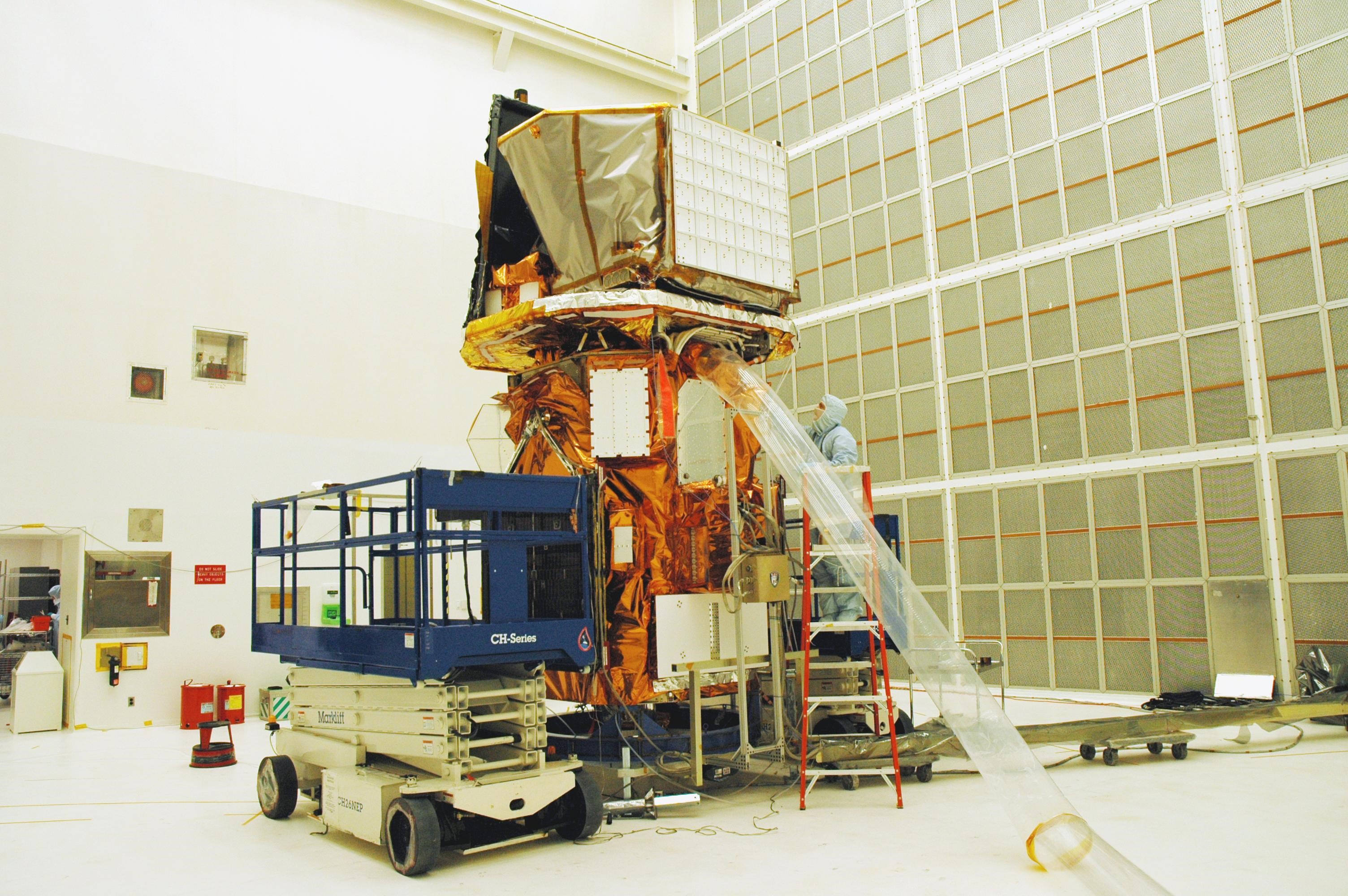
The Swift Observatory is a unique NASA satellite that has played a vital role in studying gamma-ray bursts, some of the most powerful and mysterious events in the universe. It was launched in 2004 and has been operating for over two decades, far exceeding its original 2-year mission. However, the satellite's aging systems have caused it to gradually drift out of its intended orbit, threatening its continued operation.
To address this issue, Katalyst Space Technologies has been tasked with developing a commercial satellite that can rendezvous with Swift and use its own propulsion system to stabilize the observatory's orbit. This innovative approach represents a significant shift in how NASA manages its aging satellite fleet, moving away from relying solely on government-funded missions and embracing the potential of private-sector solutions.

The Katalyst team has just a few months to design, build, and launch their rescue satellite, a remarkably tight timeline. Their mission is to catch up to Swift and dock with the aging spacecraft, using a specialized robotic arm to grab onto it and take control of its orbit. If successful, this would not only save the Swift Observatory but also pave the way for future commercial satellite rescue and servicing missions.
The stakes are high, as the Swift Observatory has made numerous important discoveries over its lifetime, including the detection of short-duration gamma-ray bursts and the study of black hole formation. Losing this valuable asset would be a significant blow to the scientific community. The Katalyst team is working tirelessly to ensure a successful rescue and secure the future of this unique NASA satellite.
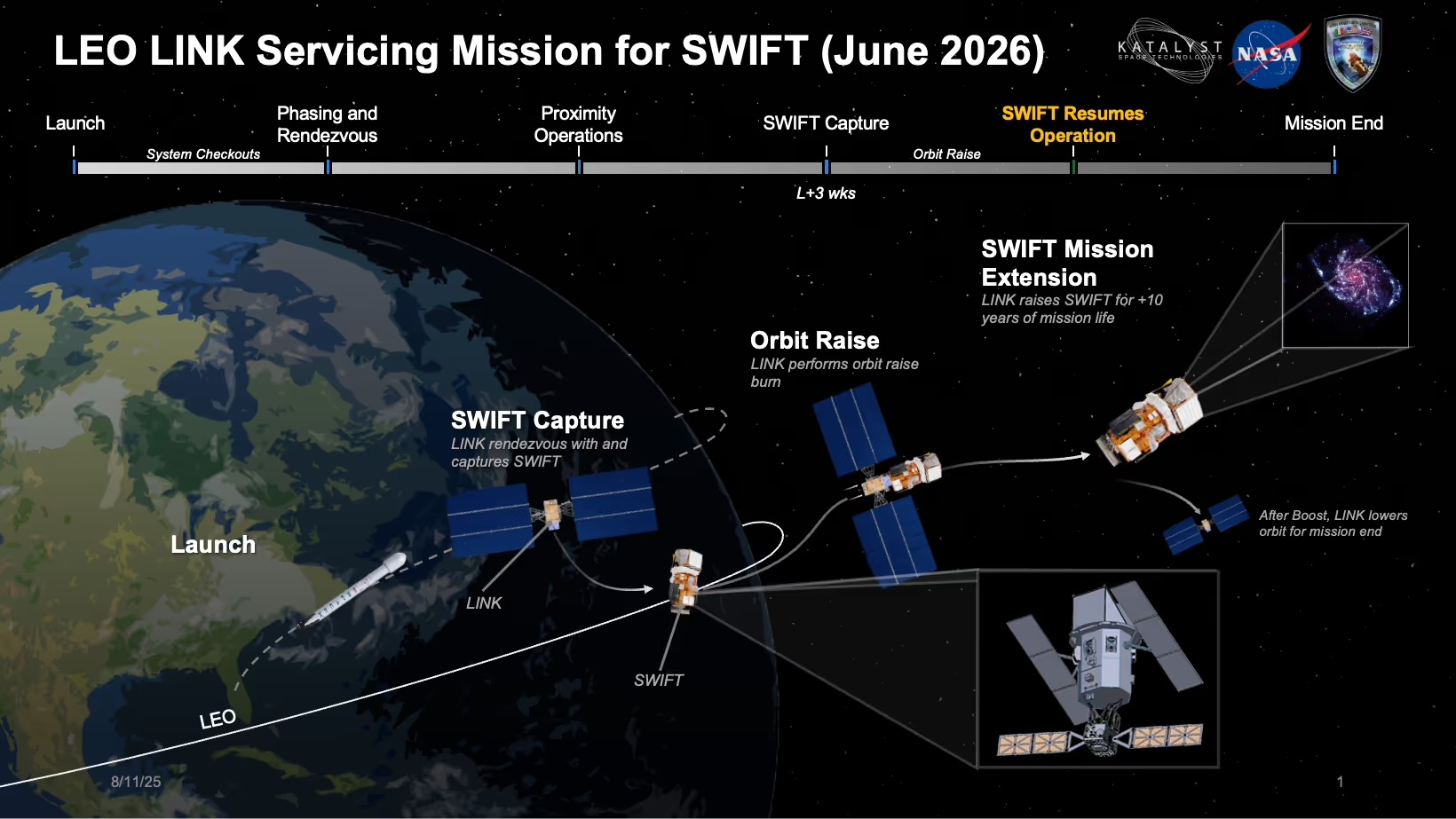
The Swift Observatory rescue mission represents a new era of private-public partnerships in space exploration. As NASA and other space agencies grapple with the challenges of maintaining aging satellite fleets, the success of this mission could open the door to more commercial involvement in satellite servicing and rescue operations. The ability to quickly and cost-effectively intervene to save valuable scientific assets could have far-reaching implications for the future of space exploration and research.
Source: Ars Technica


