
Saving History: What to Preserve From ISS Before Deorbit

NASA prepares for International Space Station deorbit by 2030. Experts debate what artifacts should be preserved as humanity's longest continuous space presence ends.
For more than two decades, humans have maintained an uninterrupted presence in the cosmos through one of mankind's greatest technological achievements. However, this extraordinary chapter in space exploration history is approaching its final act. As NASA and its international partners move forward with plans to bring down the International Space Station as early as 2030, a critical question has emerged among historians, curators, and space program officials: how can we preserve the legacy of this monumental orbital laboratory for future generations?
The ISS represents far more than just a scientific facility orbiting Earth at 17,500 miles per hour. It is a tangible symbol of international cooperation, scientific achievement, and humanity's desire to explore beyond our planetary boundaries. Yet the sheer scale and complexity of the space station present an unprecedented preservation challenge. With its massive solar arrays, intricate laboratory modules, and countless experiments conducted over decades, preserving the entire structure is simply not feasible from either a technical or financial perspective.
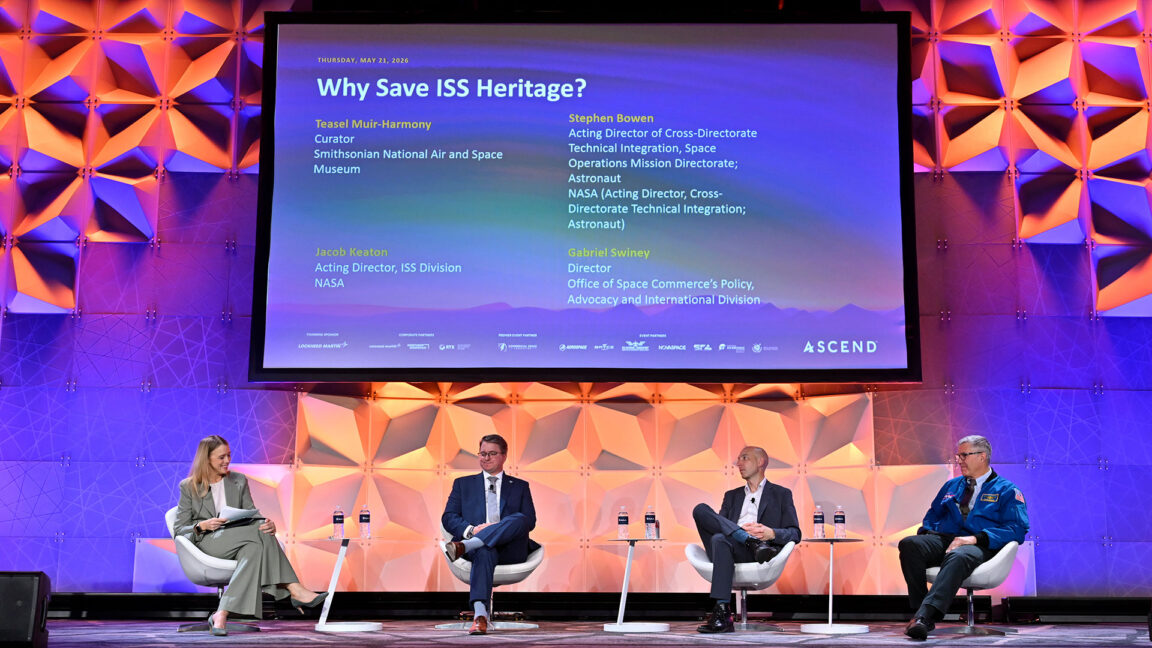
Recognizing the gravity of this situation, the Smithsonian Institution's prestigious National Air and Space Museum organized an important three-part panel discussion to address the critical question of ISS artifact preservation. The event brought together an impressive array of expertise, including NASA officials, seasoned museum curators, field archaeologists, and veteran astronauts who have lived and worked aboard the station. These experts convened to systematically explore the why, what, and how of preserving the ISS as an important cultural and historical artifact.
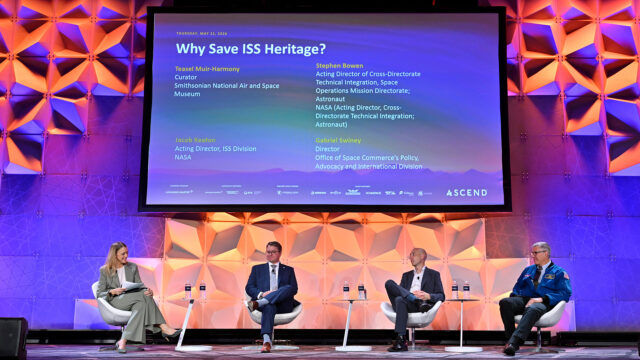
The panel discussion took place during the American Institute of Aeronautics and Astronautics' prestigious ASCEND conference held in Washington, DC. This venue provided an ideal platform for bringing together diverse perspectives on one of the most complex preservation questions ever posed. The conference setting allowed for comprehensive dialogue among space program administrators, scientific researchers, and institutional leaders who understand both the technical constraints and the historical significance of the ISS decision.
The fundamental question driving these discussions centers on what aspects of the station genuinely merit preservation for posterity. When the ISS eventually completes its operational mission, it cannot simply be left to decay in orbit, nor can it be brought down whole like a museum artifact. Instead, selective preservation strategies must be developed. This means making difficult choices about which modules, equipment, instruments, and materials should be salvaged and retained before the station undergoes its controlled destructive deorbit sequence.
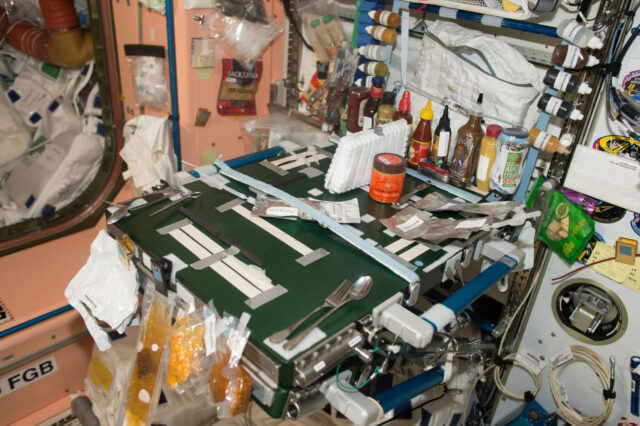
The historic nature of the ISS cannot be overstated. Since its initial construction in 1998, the space station has served as a permanent orbital laboratory where scientists from dozens of nations have conducted groundbreaking research. From materials science to biological experiments, from Earth observation to fundamental physics studies, the ISS has been instrumental in advancing human knowledge across multiple scientific disciplines. Every system, every module, and every experiment conducted there represents a moment in the ongoing story of human spaceflight.
Museum professionals face significant questions about space heritage preservation that extend beyond simple artifact collection. What makes something culturally significant enough to preserve? How do we document the stories of the thousands of people who built, maintained, and conducted research on the station? Which hardware components best represent the technological achievements of the era? These questions require the expertise of curators who have spent careers evaluating what deserves a place in our historical record.
The involvement of archaeologists in these discussions represents an innovative approach to space station preservation. By applying archaeological methodology to orbital infrastructure, experts can develop systematic approaches to cataloging, evaluating, and preserving the material remains of human spaceflight. This interdisciplinary approach ensures that the preservation effort captures not just the physical artifacts but also the context and significance of the station's role in human history.
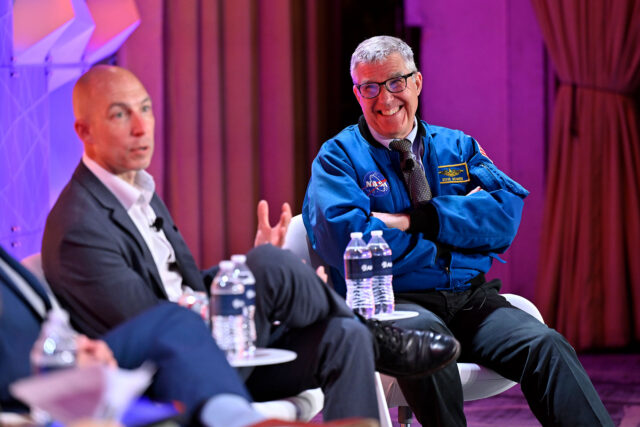
Astronauts who have lived and worked aboard the ISS bring invaluable perspective to these discussions. They understand firsthand which systems were critical to operations, which experiments yielded the most important results, and which moments defined the human experience in space. Their insights help curators and administrators understand which elements of the station hold the deepest significance not just scientifically but also culturally and historically.
The timeline for these preservation decisions is relatively compressed. With ISS deorbit operations potentially beginning within the next few years, institutions and space agencies must accelerate their planning and decision-making processes. This urgency has motivated the Smithsonian and other organizations to convene expert panels and facilitate discussions that will shape the preservation strategy going forward. Decisions made in the coming months and years will determine what future generations will be able to see, study, and learn from regarding this remarkable orbital achievement.
The technical challenges of preservation are substantial. Removing artifacts from an orbiting facility requires careful planning, specialized equipment, and precision engineering. Materials that have spent years in the extreme environment of low Earth orbit may have properties or conditions that make preservation particularly challenging. Corrosion, radiation exposure, vacuum degradation, and thermal cycling all present factors that preservation specialists must carefully consider when planning how to handle and store salvaged components.
Beyond the physical artifacts themselves, there exists an important opportunity to preserve knowledge and documentation about the station's operations and achievements. Digital archives, photographic records, video documentation, and written accounts from crew members and scientists represent crucial historical resources. These materials may prove just as valuable to future historians and scientists as the physical hardware itself, providing context and narrative to complement preserved artifacts.
The preservation effort also raises important questions about representation and equity in how we commemorate space exploration history. The ISS was built and operated through the contributions of thousands of engineers, scientists, and workers from multiple countries and backgrounds. Effective preservation strategies must ensure that the chosen artifacts and narratives adequately represent this diverse global community and their contributions to the station's success.
As these expert panels continue their work and deliberations unfold, the space community watches closely. The decisions made regarding ISS artifact preservation will establish important precedents for how humanity treats other orbital infrastructure as space operations expand and evolve. The preservation of the International Space Station will serve as a case study for future preservation efforts in an increasingly active space environment. Museums, space agencies, and historical institutions are united in recognizing that this unprecedented orbital laboratory deserves to be remembered and preserved in ways that inspire and inform future generations about our species' remarkable journey into space.
Source: Ars Technica


