
Solar and Hydro Surge Continues Displacing Coal

US renewable energy sources are pushing coal off the grid as solar and hydroelectric power surge. Data shows demand growth slowing with renewables taking the lead.
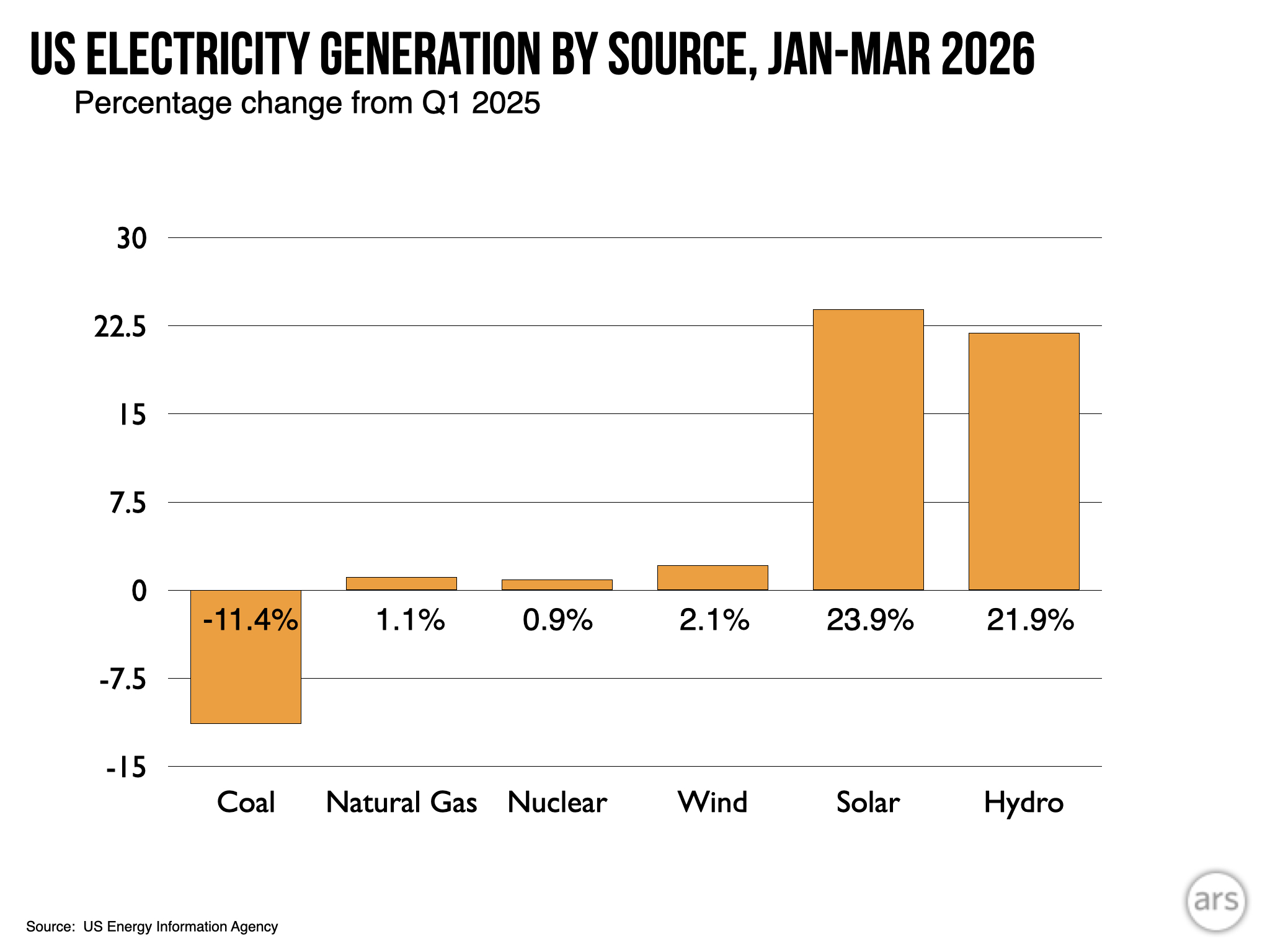
The United States energy landscape continues to undergo a significant transformation as renewable energy sources gain greater dominance over traditional fossil fuels. After initial concerns about rising electricity demand from data centers threatened to reverse years of progress in reducing coal consumption, the situation has stabilized considerably. The latest comprehensive data reveals that the nation's power grid is successfully returning to its established trajectory of steady growth paired with increased reliance on clean energy alternatives.
Throughout the previous year, early indicators sparked considerable worry among energy analysts and climate advocates. The demand surge of approximately 3 percent in the initial months appeared poised to trigger another coal resurgence, potentially halting the decade-long decline in fossil fuel usage across America's electrical infrastructure. However, as additional months of data accumulated, these alarming trends moderated substantially, demonstrating that the feared data-center-driven consumption explosion was less catastrophic than initially projected.
Fast forward to the present day, and the US has successfully reestablished its customary growth pattern characterized by modest demand increases paired with relentless renewable energy expansion. The most striking development involves hydroelectric power, which has experienced an unexpected surge in output without any corresponding increase in generating capacity. This phenomenon, while beneficial for grid operators and environmental advocates, stems from an unusual meteorological pattern affecting western American regions.
The unusual weather conditions that have shaped early 2026 tell a fascinating story about regional climate variations. Western states have experienced unseasonably warm temperatures that accelerated the snowpack melting cycle, resulting in increased water flow to hydroelectric facilities throughout the region. Simultaneously, eastern portions of the country endured a severe cold snap, creating a complex weather mosaic that influenced energy consumption patterns in unexpected ways. This dichotomy between regional climate conditions has produced interesting dynamics in how electricity demand manifests across different parts of the nation.
The overall electricity demand growth during the first quarter of 2026 reached only 1.5 percent when compared to the equivalent period in the previous year. Historically, seasonal variations during this time of year are substantially influenced by weather-driven heating requirements, particularly in regions experiencing harsh winter conditions. The combination of extreme heat in western regions and deep freezing in eastern areas created an unusual baseline that will likely require additional months of data collection before analysts can draw meaningful conclusions about underlying demand trends.
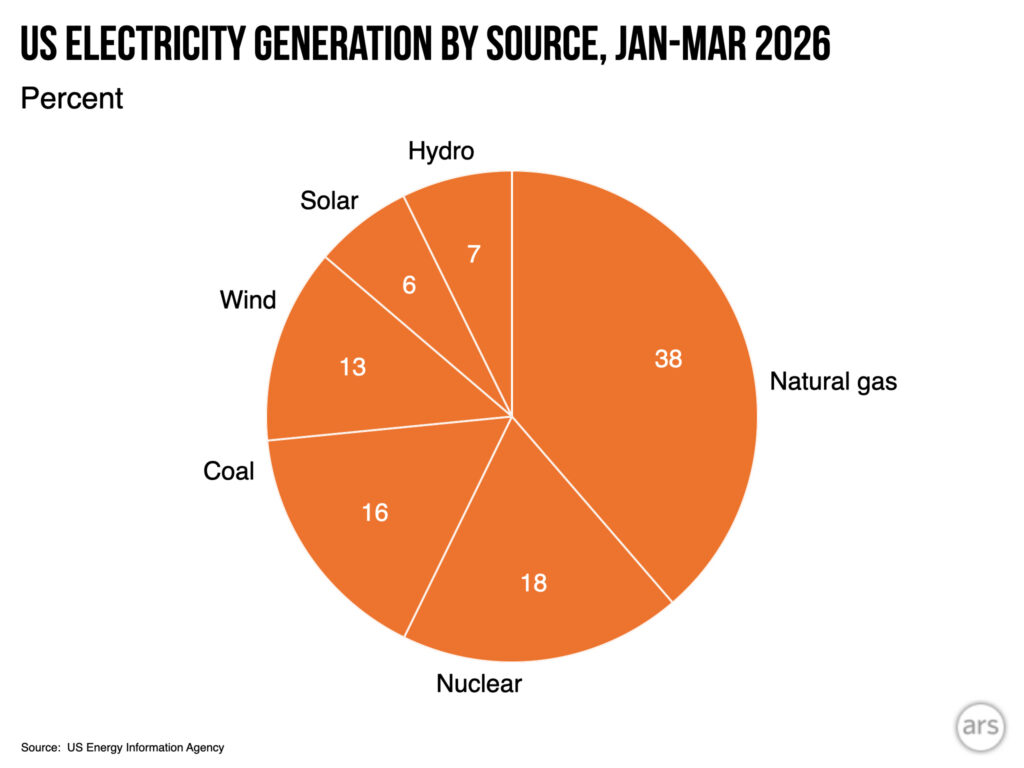
Coal displacement continues to accelerate as renewables capture an increasingly larger share of the nation's electricity supply. Solar installations have become ubiquitous across the American landscape, with distributed rooftop systems complementing utility-scale photovoltaic farms. The cost competitiveness of solar technology, combined with improving battery storage solutions, has made renewable electricity increasingly attractive to utilities and consumers alike. This economic transformation represents a fundamental shift in how America generates and consumes electrical power.
The implications of the current hydroelectric surge extend beyond immediate grid operations. Water managers and energy planners face potential challenges later in 2026 as the early snowmelt may deplete reservoir levels ahead of schedule. If late summer and fall precipitation patterns fail to replenish these water resources adequately, hydroelectric facilities could experience reduced output during peak demand periods. This scenario underscores the interconnected nature of climate, water resources, and energy infrastructure in the modern electrical grid.
Renewable energy integration has reached a level of sophistication that enables grid operators to manage variable supply effectively. Advanced forecasting technologies predict solar and wind output with increasing accuracy, allowing utilities to balance renewable generation with conventional sources and demand response programs. Battery storage systems, though still representing a small fraction of total capacity, continue expanding rapidly and play an increasingly important role in smoothing out fluctuations in renewable energy availability.
The broader context of these developments reflects the ongoing energy transition occurring throughout North America. Investment in clean energy infrastructure continues to accelerate despite policy uncertainties, driven primarily by economic fundamentals and technological improvements. Utility companies, once skeptical of renewables, now actively promote solar and wind development as cost-effective alternatives to aging coal and natural gas plants. This market-driven transformation has proven more resilient than previous projections suggested.
Data center electricity demand, which initially sparked concerns about renewed fossil fuel reliance, has emerged as a more moderate factor than feared. While these facilities do consume substantial quantities of power, the geographic dispersion of data centers across regions with different renewable energy resources has helped distribute demand more evenly. Some operators have even begun locating new facilities in areas with abundant renewable generation capacity, aligning their expansion plans with sustainability objectives.
The US energy sector is demonstrating remarkable adaptability in accommodating new demand sources while simultaneously reducing reliance on carbon-intensive fuel sources. Grid modernization efforts, including smart metering systems and advanced distribution automation, enable more efficient management of both generation and consumption. These technological improvements complement the addition of new renewable capacity, creating a more resilient and flexible electrical infrastructure.
Looking ahead, energy analysts emphasize the importance of monitoring several key metrics throughout 2026 to establish clearer trends. The timing and magnitude of precipitation in western watersheds will significantly influence hydroelectric output during the remainder of the year. Additionally, continued tracking of data center electricity demands and seasonal variations will help clarify whether the initial concerns about consumption surges were overblown. Furthermore, the pace of solar and wind installation will remain critical indicators of the renewable energy transition's momentum.
The success of the American electrical grid in maintaining reliability while transitioning toward greater renewable reliance represents a significant achievement for energy planners and technology developers. Innovations in grid management, energy storage, and demand flexibility continue expanding the ceiling on how much variable renewable generation the system can successfully integrate. These developments suggest that the nation's transition away from coal and toward cleaner energy sources will continue progressing steadily despite occasional setbacks and unforeseen challenges.
As the energy industry evolves, the role of fossil fuels in American electricity generation will continue contracting, though likely at varying rates depending on regional circumstances and policy decisions. The combination of economic competitiveness, technological maturity, and environmental imperatives all point toward continued expansion of renewable energy capacity. The data from early 2026 reinforces this trajectory, demonstrating that even unexpected weather patterns and new demand sources cannot derail the fundamental shift toward sustainable electricity generation.
Source: Ars Technica


