
Senate Passes Homeland Security Funding, Excludes ICE

The US Senate approves a funding package for the Department of Homeland Security, but withholds funds from ICE and part of Customs and Border Protection.
In a significant move, the US Senate has passed legislation that will finance a majority of the Department of Homeland Security, yet exclude funding for the Immigration and Customs Enforcement (ICE) agency and a portion of Customs and Border Protection, as confirmed by the office of the Senate Democratic party leader, Chuck Schumer.
The agreement, if enacted, would provide funding for critical DHS components such as the Transportation Security Administration and the US Coast Guard. However, the bill must still be approved by the House of Representatives before the funded agencies within the department can officially reopen, according to a report by CNN.
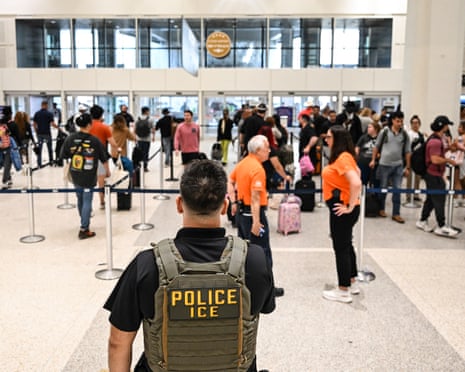
The decision to withhold funds from ICE and part of Customs and Border Protection reflects the ongoing debate and political tensions surrounding immigration policy in the United States. The move is seen as a concession to Democratic lawmakers who have been critical of the Trump administration's aggressive immigration enforcement tactics.
The passage of this funding package in the Senate represents a significant step towards resolving the budgetary impasse that has affected the Department of Homeland Security. However, the fate of the bill now rests in the hands of the House, where it will face additional scrutiny and potential amendments before reaching the president's desk.
The exclusion of ICE and partial Customs and Border Protection funding from the package underscores the ongoing debate within the government over the appropriate role and scope of these agencies. Supporters of the move argue that it will help address concerns over the treatment of immigrants and asylum seekers, while critics contend that it undermines the administration's efforts to secure the nation's borders.
As the legislative process continues, the outcome of this funding package will have far-reaching implications for the future of the Department of Homeland Security and the broader immigration landscape in the United States.
Source: The Guardian


