
Settlers Force Palestinian to Exhume Father's Body

UN condemns West Bank settlers for forcing Palestinian man to dig up his father's freshly buried body, calling it 'appalling' and emblematic of dehumanization.
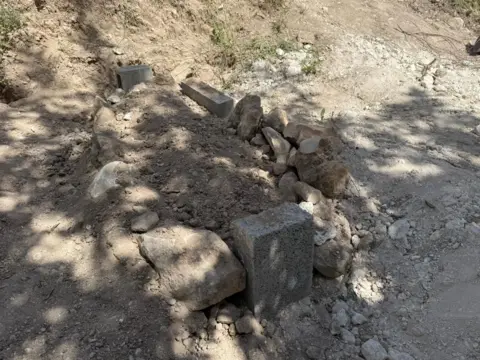
In a deeply troubling incident that has drawn international condemnation, West Bank settlers allegedly forced a Palestinian man to exhume his father's body shortly after the burial was completed. The harrowing event has sparked outrage from human rights organizations and prompted swift criticism from United Nations officials who characterized the action as a stark example of the systematic dehumanization of Palestinians in the occupied territory.
The UN human rights office released a statement describing the incident as "appalling and emblematic of the dehumanization of Palestinians" in the West Bank. This characterization underscores the gravity of the situation and highlights how individual acts of violence and harassment contribute to a broader pattern of treatment that international observers have documented extensively. The incident has become a focal point for discussions about the conditions faced by Palestinians living under settler pressure and Israeli military control.
The circumstances surrounding this particular case reflect the escalating tensions between Palestinian communities and Israeli settler populations in the West Bank. These settlements, widely considered illegal under international law, have been sources of frequent conflict and human rights violations. The incident in question demonstrates how disputes over land, access, and resources can manifest in deeply personal and traumatic ways for Palestinian families.
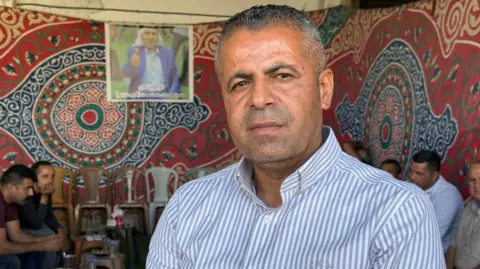
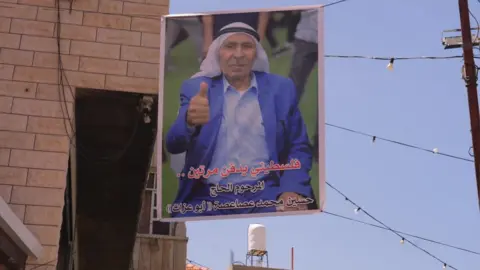
According to reports and witness accounts, the Palestinian man had been grieving his father's death and had completed the funeral rites according to Islamic tradition. The burial itself represented an important moment of closure and respect for the deceased. However, settler actions interrupted this process, creating an additional layer of trauma for the bereaved family and violating fundamental human dignity and religious practices.
The forced exhumation raises serious questions about the rule of law and protection of minority populations in the occupied Palestinian territories. Families should be afforded the basic right to bury their deceased without fear of disturbance or harassment. The incident highlights how Palestinian communities face constant vulnerability and how their fundamental rights—including religious freedom and family autonomy—are frequently compromised.
International human rights organizations have issued statements condemning the incident and calling for accountability. These groups emphasize that such actions are not isolated incidents but part of a documented pattern of harassment and intimidation targeting Palestinian communities. The UN's characterization of the event as emblematic points to how individual cases reflect systemic issues requiring broader intervention and policy changes.
The West Bank settlement movement has been a contentious issue in international relations for decades. These Israeli settlements, established in territories captured during the 1967 Six-Day War, are considered illegal by most of the international community, including the United Nations. However, they continue to expand, with the Israeli government providing various forms of support and infrastructure development to settler communities.
The presence of these settlements has created a complex and often volatile situation on the ground. Palestinian land confiscation, resource restrictions, and the establishment of separate road systems have created conditions that many human rights experts describe as apartheid-like. The incident of the forced exhumation must be understood within this broader context of systemic inequality and power imbalances.
Incidents of settler violence against Palestinians have been documented extensively by international observers and human rights monitors. These range from property damage and livestock theft to physical assault and intimidation campaigns. The forced exhumation represents a particularly egregious violation because it targets not only the living but also desecrates the memory and dignity of the deceased.
Palestinian communities living near Israeli settlements face unique vulnerabilities and restrictions. Access to water, grazing lands, and building permits is often controlled or restricted, creating economic hardship. Additionally, residents report feeling unsafe in their own communities, with many incidents of harassment going unreported due to fears about retaliation or inadequate investigation by authorities.
The role of Israeli security forces in addressing settler violence has been a subject of considerable debate and criticism. Human rights groups argue that inadequate investigation and prosecution of settler perpetrators create an environment of impunity. When families encounter obstacles in accessing basic services—such as the right to bury their dead unmolested—it demonstrates how comprehensively Palestinian rights are compromised in these areas.
Religious and cultural practices hold profound importance in Palestinian society, and Islam prescribes specific burial protocols and timelines. The disturbance of a grave violates these sacred traditions and causes immense spiritual and emotional harm beyond the immediate physical violation. The incident thus represents a multifaceted assault on Palestinian identity, religion, and human dignity.
The international community has increasingly expressed concern about the trajectory of conditions in the occupied territories. Various UN bodies, regional organizations, and individual nations have called for accountability mechanisms and interventions to protect vulnerable populations. However, translating these statements into concrete policy changes remains challenging due to complex geopolitical considerations.
Advocates for Palestinian rights argue that the international legal framework is inadequate without robust enforcement mechanisms. The designation of actions as "appalling" and "emblematic of dehumanization," while important rhetorically, must be followed by substantive consequences if accountability is to be meaningful. This incident serves as a reminder that protection of human rights requires more than verbal condemnation.
The psychological and social impacts of such incidents extend beyond the immediate family affected. Palestinian communities experience collective trauma from the accumulation of violations and indignities they face. Events like the forced exhumation reinforce feelings of powerlessness and vulnerability that characterize the lived experience of many Palestinians in the West Bank.
Moving forward, numerous stakeholders have called for comprehensive investigations into the incident and accountability for those responsible. Such investigations must include victim protection measures, given the power imbalances and potential for retaliation in the West Bank context. Additionally, there are calls for systemic reforms to address the broader conditions that enable such violations to occur.
The incident underscores the urgent need for conflict resolution and protection of fundamental human rights in the region. Both Palestinian and Israeli communities deserve security, dignity, and respect for their basic human rights. Addressing the grievances and violations that perpetuate the cycle of conflict requires commitment from all parties and the international community to ensure accountability and meaningful change.
Source: BBC News


