
Sexual Violence Used Against Palestinians in West Bank

Report reveals Israeli soldiers and settlers using gendered violence and sexual assault to displace Palestinians from occupied West Bank territories.
Human rights organizations and legal experts have documented disturbing patterns of sexual assault and gendered violence being systematically employed against Palestinian civilians in the occupied West Bank. According to multiple accounts from survivors and investigations by international observers, these tactics are being utilized as instruments of displacement and control, targeting vulnerable populations including women, men, and children across occupied territories.
The documented incidents reveal a troubling spectrum of abusive behaviors perpetrated by both Israeli soldiers and civilian settlers operating within the region. Victims have reported experiences of forced nudity, invasive body cavity searches conducted under coercive circumstances, exposure of genitals directed at minors, and explicit threats of sexual violence. These incidents represent serious violations of international humanitarian law and human rights conventions that protect civilians from sexual abuse during armed conflict.
Legal professionals and human rights advocates emphasize that these acts constitute war crimes under international law, as they are deliberately designed to terrorize communities and facilitate forced displacement. The systematic nature of these abuses suggests a coordinated campaign rather than isolated incidents, with patterns emerging across multiple Palestinian communities in the West Bank. Experts argue that the intentional targeting of civilians through sexual violence represents a deliberate strategy to destabilize Palestinian communities and expedite demographic changes in occupied areas.
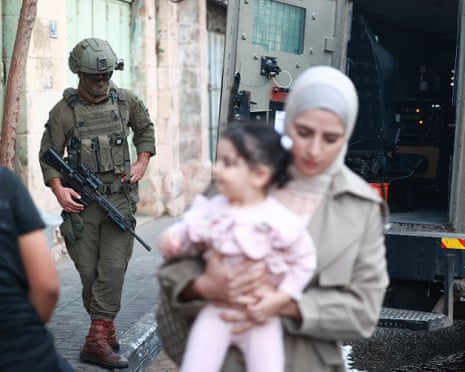
The psychological and social impacts of these assaults extend far beyond the immediate trauma experienced by survivors. Palestinian girls have reportedly abandoned their education as a direct consequence of sexual harassment and assault, with some families pushing daughters into early marriages as a protective measure against further victimization. This phenomenon represents a secondary layer of harm, effectively dismantling educational opportunities and perpetuating cycles of vulnerability within affected communities.
Young Palestinian women face compounded challenges as schools become increasingly unsafe environments due to regular harassment incidents. Families, seeking to protect their daughters from ongoing threats, have resorted to arranging early marriages despite their recognition of the long-term negative consequences. This tragic response demonstrates how sexual violence functions not merely as individual trauma but as a mechanism for social control and demographic disruption across Palestinian territories.
The documentation of these abuses comes amid broader international scrutiny of military conduct in the West Bank. International organizations have called for independent investigations into allegations of systematic sexual violence, proper accountability mechanisms, and protective measures for survivors. The testimonies collected reveal consistent patterns across different locations and timeframes, suggesting institutional failures in command structures and oversight.
Settler violence compounds the security challenges faced by Palestinian communities, with civilian Israeli settlers conducting parallel campaigns of harassment and intimidation. The distinction between military actions and settler violence becomes increasingly blurred in practice, as both contribute to the same outcomes of fear, displacement, and demographic change. Coordination between some military units and settler groups has been documented in various human rights reports.
The vulnerability of Palestinian civilians is heightened by the existing power imbalances and absence of effective protective mechanisms. Limited access to justice, difficulties in reporting incidents, and concerns about retaliation create environments where perpetrators operate with near-total impunity. Survivors frequently lack safe spaces to disclose experiences and face obstacles in accessing medical and psychological support services.
International human rights law explicitly prohibits sexual violence as a weapon of war and as a tool of ethnic cleansing. The Convention on the Elimination of All Forms of Discrimination Against Women and the Geneva Conventions establish clear protections for civilians. Despite these legal frameworks, enforcement mechanisms remain inadequate, and investigations into allegations proceed slowly if at all.
Medical professionals treating survivors document evidence of trauma consistent with the reported incidents. Physicians working in Palestinian health facilities have compiled records of injuries, infections, and psychological symptoms resulting from sexual assault. These clinical findings corroborate survivor testimonies and provide objective evidence of the scale and nature of abuses occurring.
The intersection of gender-based violence with military occupation creates particularly acute vulnerabilities for female and gender-diverse Palestinians. Checkpoint procedures, home raids, and detention processes have all been documented as contexts where sexual harassment and assault occur. The power dynamics inherent in occupation situations make meaningful consent impossible and create conditions where perpetrators face minimal consequences.
Community organizations working with survivors emphasize the need for comprehensive support systems including counseling, medical care, and livelihood assistance for those unable to continue working due to trauma. Mental health services are critically under-resourced in Palestinian communities, limiting access to psychological support for those experiencing post-traumatic stress and related conditions.
The international community has increasingly called for accountability mechanisms, with some governments expressing concerns about human rights violations and potential crimes against humanity. However, implementing investigations faces significant obstacles including limited access to territories, security concerns for investigators, and geopolitical complexities surrounding the Israeli-Palestinian conflict. Nevertheless, documentation efforts by international organizations continue to accumulate evidence for potential future accountability processes.
Advocacy organizations stress that addressing sexual violence requires simultaneous attention to immediate survivor support and systemic change regarding military conduct and settler impunity. Training programs aimed at preventing sexual violence, clear command policies prohibiting abuse, and transparent investigations into allegations represent necessary steps toward institutional accountability. Additionally, creating safe reporting mechanisms and protecting whistleblowers remains essential for uncovering the full scope of abuses.
The documented pattern of sexual assault in the West Bank illuminates how gendered violence functions as a tool of occupation and displacement. These abuses extend beyond individual criminal acts to represent systematic strategies affecting entire communities. Addressing this crisis demands urgent international attention, robust investigation mechanisms, meaningful accountability for perpetrators, and comprehensive support systems for survivors rebuilding their lives in the aftermath of profound trauma.


