
Smart Smoke Detectors: AI Revolution in Fire Safety

Discover how artificial intelligence is transforming fire detection technology, making smoke detectors smarter and more reliable than ever before.
The humble smoke detector has undergone a remarkable transformation in recent years, evolving from simple ionization-based devices to sophisticated AI-powered fire detection systems that can distinguish between actual threats and false alarms with unprecedented accuracy. This technological evolution represents one of the most significant advances in home safety equipment since the first smoke detectors were introduced in the 1960s.
Modern artificial intelligence fire detection systems utilize advanced machine learning algorithms trained on thousands of fire scenarios to recognize the distinctive patterns of real fires. Unlike traditional smoke detectors that simply respond to particles in the air, these intelligent systems can analyze multiple environmental factors simultaneously, including smoke density, heat patterns, air quality changes, and even visual flame recognition through integrated cameras.
Fire safety experts emphasize that smoke detectors remain absolutely critical for home protection. 'They are essential life-saving devices that have prevented countless tragedies over the decades,' explains Dr. Sarah Mitchell, a fire safety researcher at the National Institute of Standards and Technology. 'The integration of AI technology is simply making them more effective and reducing the nuisance alarms that sometimes cause people to disable their detectors.'
The latest generation of smart smoke detection technology incorporates multiple sensing mechanisms working in harmony. Photoelectric sensors detect visible smoke particles, while thermal sensors monitor temperature changes. Advanced models also include carbon monoxide detection and air quality monitoring capabilities, creating a comprehensive environmental safety system rather than a single-purpose device.

Machine learning algorithms in these devices are continuously refined through cloud-based updates, allowing them to improve their accuracy over time. The AI systems are trained to recognize the difference between smoke from cooking, steam from showers, dust particles, and actual fire-related smoke. This sophisticated analysis dramatically reduces false alarms, which have historically been a major source of frustration for homeowners.
Leading manufacturers like Nest, First Alert, and Kidde have invested heavily in developing intelligent fire alarm systems that can communicate with smartphones and home automation networks. These connected devices can send instant alerts to homeowners' phones, contact emergency services automatically, and even coordinate with other smart home devices to unlock doors or turn on lights to aid evacuation.
The visual recognition capabilities of newer systems represent a particularly exciting advancement. Using computer vision technology, these detectors can actually 'see' flames and smoke patterns, analyzing the visual characteristics that distinguish real fires from other heat sources or steam. This visual component works alongside traditional particle and heat detection to create multiple layers of confirmation before triggering an alarm.
Industry data shows that AI-enhanced smoke detectors have reduced false alarm rates by up to 85% compared to conventional models, while maintaining 99.9% accuracy in detecting actual fire conditions. This improvement is crucial because false alarms often lead homeowners to disable their detectors entirely, creating dangerous gaps in protection.

The integration of Internet of Things (IoT) connectivity has transformed smoke detectors into key components of comprehensive home security ecosystems. Modern connected fire detection devices can communicate with HVAC systems to shut down air circulation that might spread smoke, trigger security cameras to record evacuation routes, and even coordinate with smart locks to ensure quick exit access.
Installation and maintenance of these advanced systems have also been simplified through smartphone apps that guide users through setup processes and provide regular maintenance reminders. Many models feature self-diagnostic capabilities that alert homeowners when batteries need replacement or when sensors require cleaning, eliminating the guesswork from device maintenance.
The cost of AI-powered smoke detectors has decreased significantly as the technology has matured, with basic smart models now available for under $100, while more advanced systems with full IoT integration and visual recognition capabilities range from $200 to $400. Fire safety experts note that this investment is minimal compared to the potential property damage and life safety benefits these devices provide.
Looking ahead, researchers are developing even more sophisticated fire detection technologies, including systems that can predict fire risk based on environmental conditions, humidity levels, and electrical system monitoring. Some experimental models can detect the unique chemical signatures of different types of fires, enabling them to provide specific guidance on appropriate suppression methods.
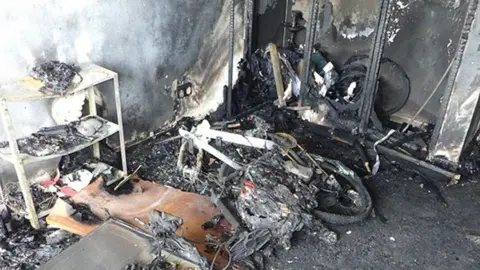
Professional fire departments have embraced these technological advances, with many jurisdictions updating their building codes to encourage or require smart detection systems in new construction. Fire chiefs report that the detailed information provided by intelligent detectors helps them respond more effectively to emergency calls, arriving on scene with better understanding of fire location and severity.
The global market for smart fire detection systems is projected to reach $2.8 billion by 2027, driven by increasing awareness of fire safety and growing adoption of smart home technologies. This growth is encouraging continued innovation in the field, with manufacturers competing to develop more accurate, reliable, and user-friendly detection systems.
Consumer advocacy groups emphasize the importance of proper installation and regular testing, regardless of how advanced the detection technology becomes. Even the most sophisticated AI-powered detector cannot provide protection if it's not properly maintained or if its alerts are ignored. Education about fire safety protocols remains as important as ever, complementing rather than replacing traditional safety practices.
As these technologies continue to evolve, the future of fire detection promises even greater integration with emergency response systems, predictive analytics for fire prevention, and seamless coordination with building management systems to provide comprehensive fire safety solutions that protect both lives and property with unprecedented effectiveness.
Source: BBC News


