
Solar Power Reaches Historic Growth Peak Globally

2025 marks solar energy's dominant year with unprecedented growth rates. The Energy Information Agency reports the world has entered the Age of Electricity.
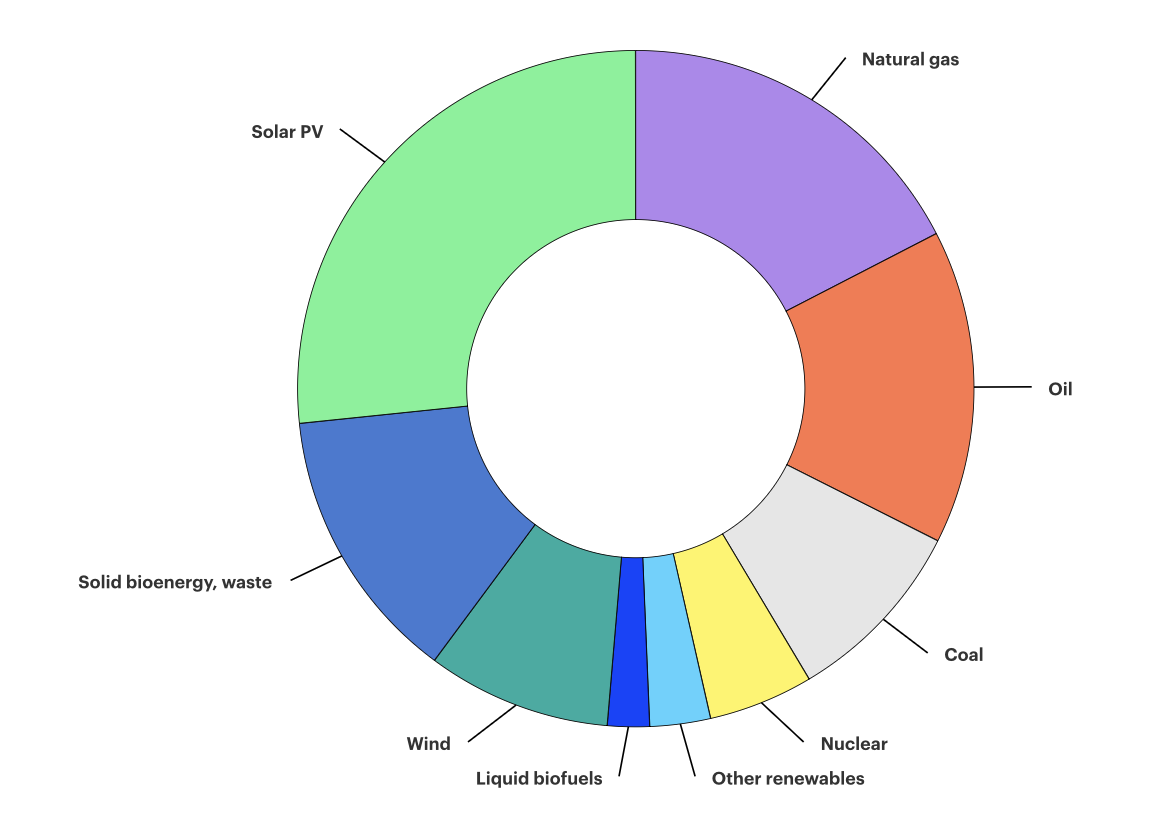
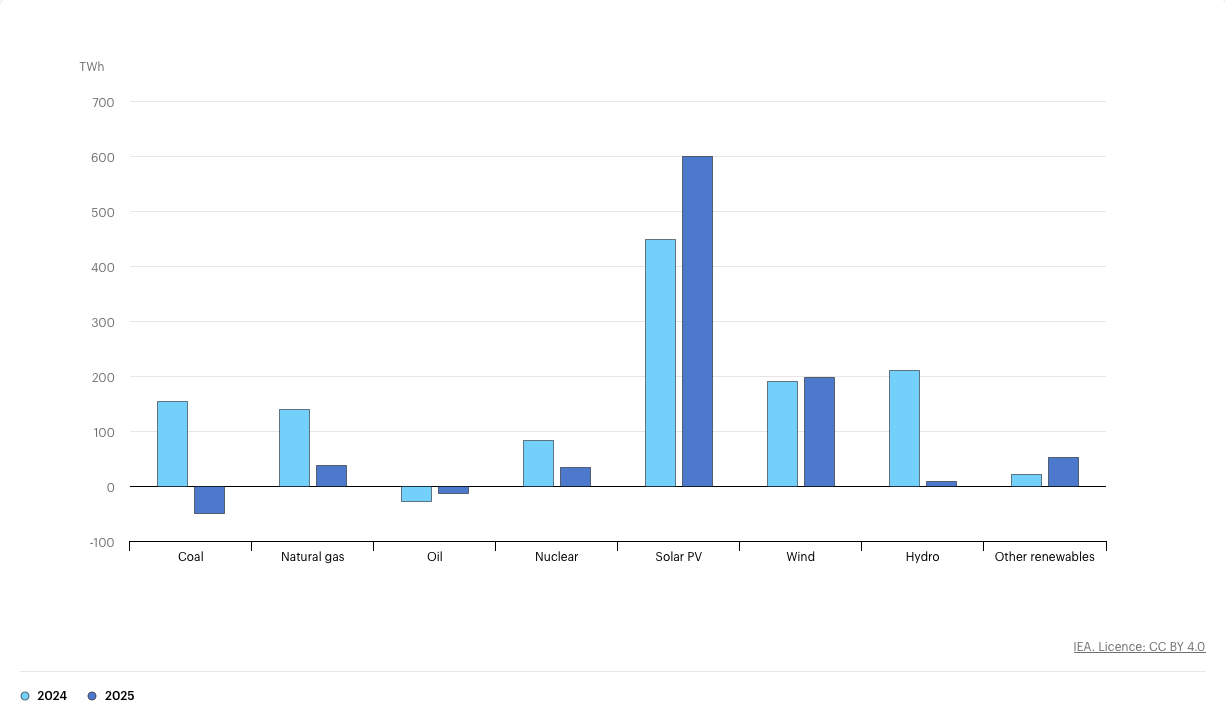
In a significant milestone for renewable energy adoption, the Energy Information Agency released comprehensive analysis on Monday revealing global energy trends for 2025 that demonstrate solar power's unprecedented expansion across the globe. The findings confirm and substantially build upon conclusions from a parallel investigation conducted by the International Renewable Energy Agency, establishing definitively that 2025 represents the inaugural year of solar's dominance in the global energy landscape. The dramatic expansion of solar production emerged as a critical factor enabling carbon-free energy sources to expand at a rate that successfully outpaced the simultaneous rise in global energy demand.
The convergence of multiple energy sector trends painted a transformative picture of humanity's transition away from fossil fuel dependency. Accompanying the extraordinary surge in solar energy development was a massive acceleration in battery storage deployment, creating the infrastructure necessary to overcome solar's intermittency challenges. Meanwhile, traditional fossil fuel consumption remained conspicuously stagnant, failing to maintain historical growth trajectories despite increasing global energy requirements. These converging developments prompted the EIA to make a bold proclamation about our current historical moment: the world has entered the Age of Electricity, marking a fundamental shift in how human civilization powers itself.
This declaration reflects far more than mere statistical trends in electricity generation; it represents a comprehensive restructuring of global energy systems across multiple dimensions of modern life. The EIA's analytical framework examined not only electrical grid composition but extended across transportation networks, residential heating mechanisms, industrial processes, and virtually all forms of contemporary energy consumption. The breadth of this investigation enabled researchers to identify precisely how various sectors of the economy are transitioning away from carbon-intensive technologies toward electrified alternatives.
One particularly noteworthy dimension of this energy transformation involves the dramatic displacement of gasoline-powered vehicles by electric alternatives, a trend that has accelerated substantially over the past five years. Simultaneously, heat pump technology has begun replacing traditional natural gas furnaces and oil-based heating systems in residential and commercial buildings worldwide. These parallel trends demonstrate that the Age of Electricity extends far beyond the conventional power grid, instead representing a comprehensive electrification of previously fossil-fuel-dependent infrastructure. The EIA's analysis captured how these technological transitions are occurring at scale, with millions of consumers and businesses making the switch to electric systems.
The data reveals particularly striking proportions regarding electricity demand's acceleration relative to overall energy consumption patterns. Across all measured regions and economic sectors, electricity demand grew at precisely double the rate of overall energy demand increases. This divergence represents a powerful indicator of the structural economic shift underway, where electricity becomes the primary energy vector for an ever-expanding array of human activities. From industrial manufacturing processes to personal mobility and household comfort systems, the pull toward electrification demonstrates remarkable consistency across diverse economies and cultural contexts.
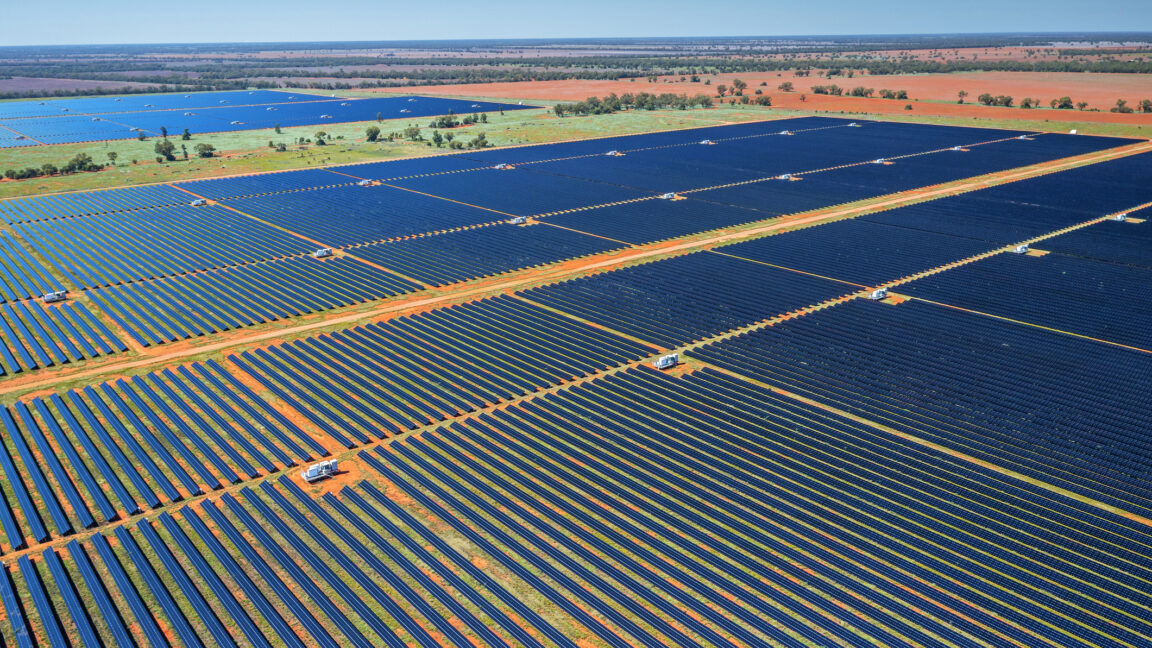
The significance of 2025 as a watershed moment for renewable energy development cannot be overstated when placed in historical context. The solar expansion documented in this report surpassed all previous records for annual generation capacity additions from any single energy source in human history. This achievement becomes even more remarkable when considering that it was accomplished while simultaneously managing the technical challenges of grid integration, storage requirements, and the geographic variability inherent to solar generation across different latitudes and climate zones. The scale of deployment demonstrated that industrial civilization can rapidly transition toward cleaner energy sources when appropriate economic and policy incentives align.
These developments underscore how technological progress, economic forces, and policy frameworks have converged to create a genuine transition point in global energy systems. The battery storage sector's parallel expansion proves particularly crucial, as it enables solar and wind generation to serve as reliable baseload power sources despite their intermittent nature. Without simultaneous breakthroughs in energy storage technology and dramatic reductions in battery costs, the dominance of solar power would remain limited to time-of-day applications. The coordinated advancement of both generation and storage technologies demonstrates the systemic nature of this energy transition.
The global implications of these trends extend far beyond environmental considerations, though the climate benefits remain substantial. The economic restructuring represented by this transition creates new opportunities for industrial development in manufacturing, installation, maintenance, and grid modernization sectors. Developing nations now have pathways toward energy security and electrification that bypass investment in coal and natural gas infrastructure, instead leapfrogging directly to renewable systems. This represents a genuine deviation from the historical pattern where industrializing nations replicated the energy pathways of already-developed economies.
Looking forward, the establishment of 2025 as the pivotal year of solar dominance raises important questions about the continued acceleration of this transition. Will renewable energy expansion maintain current growth trajectories, or will physical constraints, supply chain limitations, or policy reversals alter the trajectory? The EIA's analysis demonstrates that the economic fundamentals driving this transition appear robust, with solar and battery technology costs continuing their downward paths while fossil fuel-based energy sources face increasing economic headwinds. The declaration of an Age of Electricity appears not as a temporary phenomenon but as a genuine structural transformation of global energy systems that will define the coming decades of human civilization.
Source: Ars Technica


