
South England Rail Chaos: Major Delays Hit Commuters

Widespread train cancellations and delays plague South England due to critical radio fault. Disruption expected throughout the day. National Rail issues update.
Commuters across the South of England faced significant travel disruptions on Tuesday as a major radio fault forced widespread cancellations and delays across the rail network. According to National Rail authorities, the technical failure affecting communication systems has created a cascading impact on multiple train services, leaving thousands of passengers stranded and frustrated. The rail disruption is expected to persist throughout the remainder of the day, with officials warning travelers to anticipate extended wait times and possible service cancellations on key routes.
The radio fault has critically impaired the ability of rail operators to communicate effectively with train drivers and station staff, a fundamental requirement for safe and efficient train operations. This breakdown in communication infrastructure has created bottlenecks at major junction points and stations, preventing trains from operating on their normal schedules. Network operators have been forced to implement emergency protocols, including manual signaling procedures that significantly reduce the capacity of affected lines. The technical nature of the fault suggests that a comprehensive inspection and repair will be necessary before normal service can resume.
Rail passengers throughout the region have expressed considerable frustration at the disruptions, with many facing the prospect of missing important appointments, meetings, and connecting services. The train cancellations have been particularly acute on busy commuter routes that typically carry tens of thousands of passengers daily during peak hours. National Rail has advised affected passengers to consider alternative transportation methods where possible and to allow considerably more time for their journeys. The authority has also encouraged passengers to check real-time service updates before traveling to avoid being stranded at stations.

The infrastructure fault affecting the South England rail network highlights the vulnerability of modern transportation systems to technical failures in critical communication equipment. Radio systems are essential for coordinating train movements, ensuring proper spacing between vehicles, and maintaining passenger safety protocols across the network. When such systems fail, the entire operational framework that allows dozens of trains to share the same tracks safely becomes compromised. This incident raises questions about redundancy and backup systems that should theoretically prevent such widespread disruptions from occurring.
Network operators have mobilized teams of engineers to address the fault, working urgently to restore communication capabilities across affected sections of the rail network. The repair process requires careful diagnosis of the fault's origin, whether it stems from hardware failure, software malfunction, or infrastructure damage at key transmission points. Technical teams are systematically testing components and running diagnostic protocols to pinpoint the exact source of the problem. Given the complexity of modern railway communication systems, this process could require several hours even with experienced personnel working around the clock.
The service disruptions have prompted warnings from National Rail for passengers to exercise patience and check for updates regularly throughout the day. Rail operators have set up dedicated customer service lines to handle inquiries from concerned passengers and to provide as much real-time information as possible. For those with tickets for affected services, operators have announced flexible rebooking policies allowing passengers to use their tickets on alternative services or to claim refunds. The industry has also begun coordinating with bus services and other transport providers to help passengers reach their destinations through alternative means.
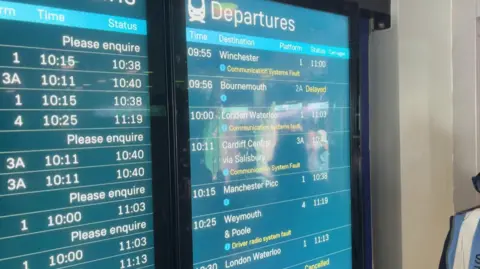
This incident represents one of the more significant technical failures to impact the South England transportation system in recent months, affecting major corridors and commuter hubs across the region. Routes between London and the South Coast have been particularly hard hit, with trains serving Brighton, Southampton, and Portsmouth experiencing severe delays or complete cancellations. Commuter services in the southeast, which typically handle some of the highest volumes of passengers in the country, have experienced substantial capacity reductions. The timing of the fault, occurring during an important business week, has amplified its impact on the regional economy and commerce.
Rail industry experts have noted that communication infrastructure failures, while relatively rare, can have disproportionate impacts on network operations due to the interdependent nature of modern railway systems. The radio communication systems used across the UK rail network represent decades of investment and are generally highly reliable, but like all technology, they remain vulnerable to unexpected failures. This incident may prompt industry-wide reviews of contingency planning and backup system protocols. It also underscores the importance of investing in resilient infrastructure that can withstand technical failures without causing complete service collapses.
The disruption is expected to have particular impacts on business travelers, students, and healthcare workers who depend on reliable rail services for their daily routines. Many passengers have taken to social media to express their frustration and share updates about their experiences navigating the disrupted network. Some travelers reported waiting for hours at stations with limited information about when services might resume, contributing to overall dissatisfaction and passenger complaints. The incident has renewed calls from passenger advocacy groups for greater investment in reliable infrastructure and more robust communication of service disruptions.
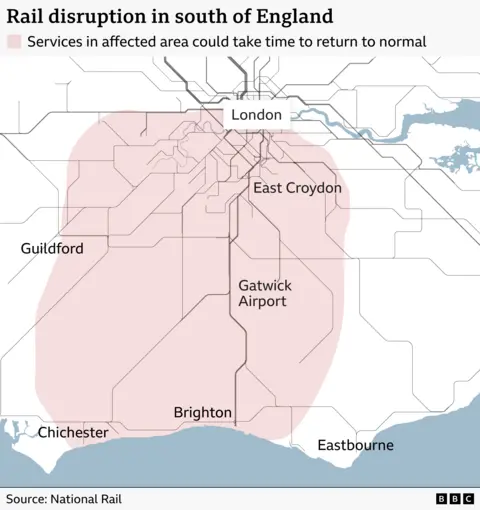
As engineers continue their work to restore the radio systems, National Rail emphasizes that safety remains the paramount concern and that no trains will be allowed to operate until proper communication capabilities have been fully restored. This cautious approach, while necessary for passenger protection, means that the disruptions will continue until technical teams have completed their comprehensive repairs and testing. Passengers are urged to remain patient and to monitor official channels for updates on service restoration. The railway industry takes seriously such technical failures and will likely conduct a full post-incident review to determine what lessons can be learned and what preventative measures might be implemented.
The South England rail system disruption serves as a reminder of the complexity and interdependence of modern transportation infrastructure, and how a single technical failure in a critical system can have far-reaching consequences for millions of people. As the day progresses, further updates from National Rail and individual train operating companies are expected to provide more detailed information about the extent of the damage and the anticipated timeline for service restoration. Passengers are advised to exercise flexibility in their travel plans and to seek alternative transportation options where feasible until normal service resumes.
Source: BBC News


