
Space Camp Registrations Surge After Artemis II

NASA Administrator Jared Isaacman reveals how Artemis II inspired record enrollment at Space Camp. Learn about the expansion and youth engagement.
When he was just 12 years old, NASA Administrator Jared Isaacman attended the week-long "Aviation Challenge" program at Space Camp, located in Huntsville, Alabama. This transformative experience would shape the trajectory of his entire life, planting the seeds for a passion that would eventually lead him to the stars themselves. The immersive educational program provided Isaacman with hands-on exposure to aerospace concepts and flying, fundamentally altering his perspective on what was possible.
"For the first time, I got behind the controls of an airplane when I attended Aviation Challenge," Isaacman reflected during remarks on Friday evening at the US Space & Rocket Center. "I became a pilot because I thought that was the closest I would ever get to the stars." His words resonated deeply with the audience, capturing the profound impact that direct engagement with space exploration programs can have on young minds. What seemed like an impossible dream as a child would eventually become reality through determination and entrepreneurial success.
The trajectory of Isaacman's career has been nothing short of remarkable. After founding a successful online payments company, he achieved what few civilians have ever accomplished: flying to space twice as a private citizen aboard SpaceX's Crew Dragon vehicle. These groundbreaking flights demonstrated that space travel was no longer exclusively the domain of professional astronauts. His achievements have made him a powerful ambassador for space education and youth engagement in STEM fields.
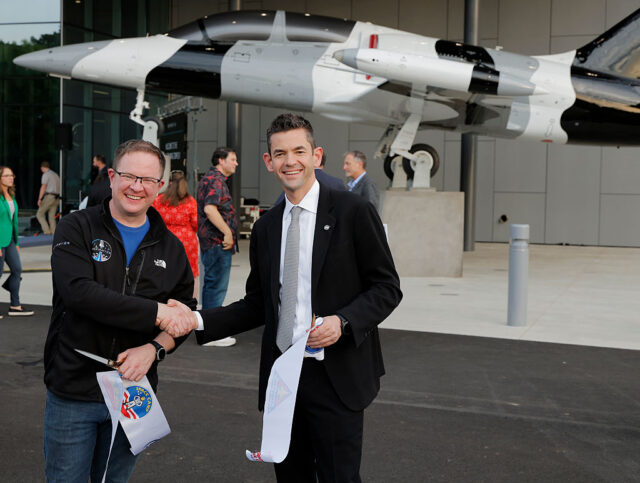
Moved by his own transformative experience and inspired by his accomplishments in commercial spaceflight, Isaacman has made it his mission to give back to the institution that started it all. He has returned to Space Camp in Alabama on multiple occasions over the years to meet with current participants and share the sense of wonder and possibility that captivated him as a young attendee. These visits have become symbolic gestures of paying it forward, inspiring the next generation of space explorers and scientists.
In 2022, a pivotal year that came on the heels of his first private spaceflight mission called Inspiration4, Isaacman made a landmark commitment to the institution's future. He donated an impressive $10 million to launch an ambitious Space Camp expansion initiative. This substantial investment demonstrated his belief in the power of hands-on space education to shape young minds and careers. The donation was not merely financial support; it was a vote of confidence in the camp's mission and educational philosophy.
The timing of this generous contribution proved to be fortuitous, as it coincided with growing national interest in NASA's Artemis program and renewed enthusiasm for lunar exploration. The Artemis II mission, which captured widespread public attention and media coverage, generated unprecedented excitement about humanity's return to the Moon. This cultural momentum created a unique window of opportunity for educational institutions like Space Camp to capitalize on the public's rekindled fascination with space exploration.
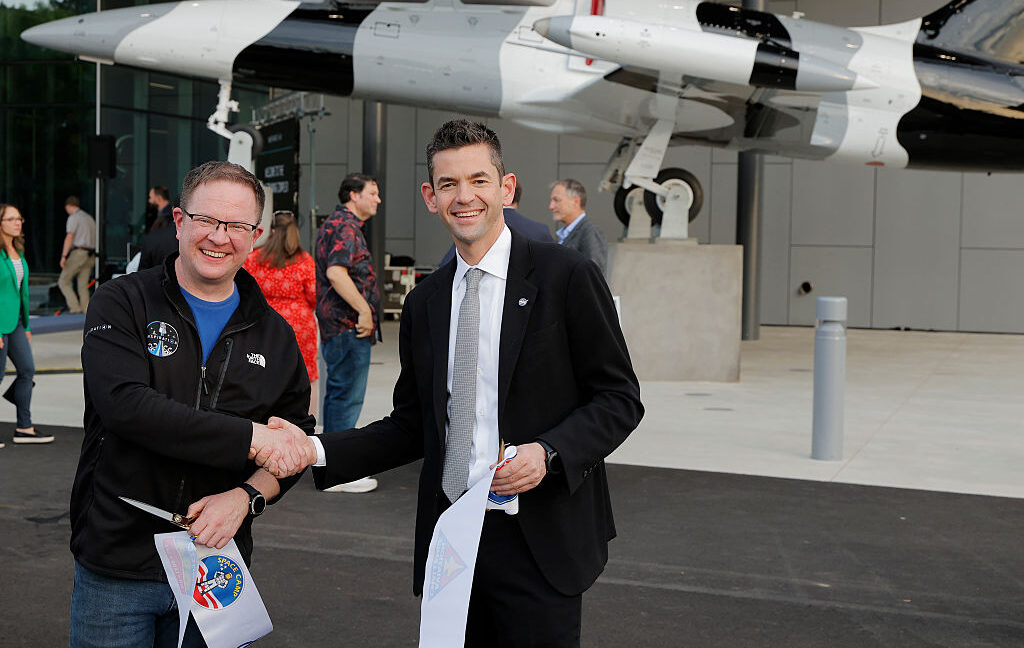
The impact of this convergence of factors has been measurable and striking. Following the public attention surrounding Artemis II, registrations at Space Camp experienced dramatic growth. Data from the facility shows that enrollment numbers have effectively doubled in the period following the Artemis II mission announcement and updates. This doubling of registrations represents far more than a statistical uptick; it reflects a genuine awakening of interest in space careers and STEM education among American youth.
Space Camp administrators have noted the surge with considerable enthusiasm, attributing much of the increased enrollment to the cultural moment created by NASA's lunar exploration efforts. The visibility of these missions, combined with high-profile advocates like Isaacman sharing their personal stories and passion for space, has created an environment where young people feel inspired and motivated to pursue their own interests in aerospace and related fields. The camp has had to expand facilities and hire additional instructors to accommodate the influx of new participants.
This renaissance in space camp enrollment reflects broader trends in youth interest in STEM disciplines. Parents and educators recognize that hands-on space education provides invaluable preparation for careers in engineering, physics, computer science, and numerous other technical fields. The practical, experiential learning model that Space Camp employs has proven to be exceptionally effective at engaging young minds and demonstrating real-world applications of scientific principles.

The Isaacman donation continues to enable Space Camp to enhance its offerings and reach more students from diverse backgrounds. The expansion has allowed the facility to develop new programs, upgrade aging equipment, and create scholarship opportunities for students who might not otherwise afford to attend. This democratization of access to space education ensures that passion and potential, rather than financial resources alone, determine who gets to participate in these transformative experiences.
Isaacman's personal narrative has become integral to Space Camp's recruitment and engagement strategy. His story—from a wide-eyed 12-year-old participating in the Aviation Challenge to a successful entrepreneur and pioneering space tourist—embodies the possibilities that space education can unlock. Young participants at camp now encounter his legacy not just as an abstract success story, but as a tangible demonstration of how dreams can be realized through education, determination, and seizing opportunities.
Looking ahead, Space Camp and similar educational institutions face both opportunities and challenges in sustaining this surge of interest. The momentum generated by Artemis II and other NASA initiatives provides a powerful foundation, but maintaining long-term engagement will require continued innovation in programming and outreach. The camp's leadership recognizes that converting temporary enthusiasm into lasting passion for space exploration requires thoughtful curriculum development and ongoing engagement with alumni like Isaacman who can serve as role models.
The doubling of Space Camp registrations in the wake of Artemis II serves as compelling evidence of how pivotal moments in space exploration can inspire generational shifts in youth interests and career aspirations. As humanity stands on the threshold of returning to the Moon and pushing toward Mars, institutions dedicated to nurturing the next generation of space professionals have never been more important. Isaacman's continued investment in and advocacy for Space Camp underscores his commitment to ensuring that the spark of wonder he felt as a child can be ignited in countless young people for generations to come.
Source: Ars Technica


