
SPLC Faces Federal Charges Over Informant Payments

The Southern Poverty Law Center denies charges related to payments made to informants within hate groups. Legal experts weigh in on the controversial case.
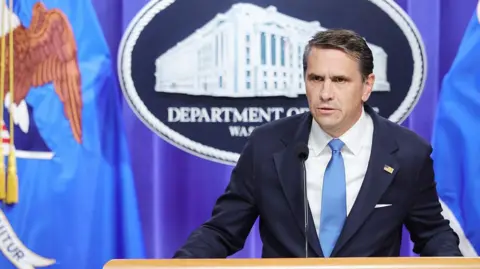
The Southern Poverty Law Center (SPLC), a prominent anti-extremism organization, is confronting serious federal allegations regarding its financial dealings with informants embedded within hate groups. The organization has issued a forceful statement declaring its commitment to defending its reputation, personnel, and operational integrity in response to the charges brought against it.
In a carefully worded statement released to media outlets, the SPLC representatives emphasized their determination to mount a vigorous legal defense against the accusations. The organization stressed that it would protect not only its institutional standing but also the members of its staff who may be implicated in the proceedings. This defensive posture signals the seriousness with which the organization is treating the federal government's allegations.
The charges represent a significant development in the ongoing relationship between law enforcement agencies and civil rights organizations that conduct investigations into extremist activities. The use of informants has long been a controversial but common practice in monitoring dangerous ideological movements, yet the financial arrangements surrounding these undercover operations frequently draw scrutiny from oversight bodies and legal experts.
The SPLC has built its reputation over decades as one of the nation's leading civil rights organizations dedicated to monitoring and documenting extremist movements across the United States. The organization maintains extensive databases tracking hate groups, white supremacist organizations, and other extremist networks. This work has made the SPLC both celebrated by civil rights advocates and controversial among those who question its methodologies and classifications.
Informant programs within extremist organizations operate in a complex legal and ethical gray area. Law enforcement and civil rights organizations often employ individuals with inside access to extremist groups to gather intelligence, document activities, and sometimes prevent violent incidents. However, the financial compensation offered to these informants—and the oversight mechanisms governing such payments—have increasingly become subjects of legal scrutiny and public debate.
The specific nature of the payments at issue in this case has not been fully detailed in public statements, though federal investigators have clearly determined that potential violations warrant formal charges. The SPLC's assertion that it will defend its work suggests the organization believes its informant payment practices were justified and necessary to fulfill its mission of combating hate group activities.
Legal experts have noted that the charges raise important questions about how civil rights organizations should operate when engaging with law enforcement investigations and intelligence gathering activities. The boundaries between legitimate investigative work and potentially improper financial arrangements remain unclear in many jurisdictions, creating legal uncertainty for organizations working in this space.
The timing of these charges comes amid broader national conversations about extremism, the effectiveness of monitoring organizations, and the appropriate role of civil society in addressing hate group activities. Various stakeholders have expressed concerns about how these legal proceedings might affect the organization's ability to continue its investigative work and maintain relationships with sources within extremist networks.
The SPLC's response indicates the organization intends to fight the charges rather than seek a settlement or plea agreement. This approach suggests confidence in the organization's legal position, though it also commits the SPLC to a potentially lengthy and costly litigation process. The outcome of this case could have significant implications for how other civil rights and anti-extremism organizations structure their informant relationships and financial practices.
Federal prosecutors will need to establish specific violations in their case against the SPLC, likely focusing on how payments were documented, authorized, and justified. The organization's substantial legal resources and experience with litigation suggest it is well-positioned to mount a comprehensive defense. The case will likely involve detailed examination of financial records, communications between SPLC staff members, and the operational justifications for payments made to informants.
The charges also raise broader implications for civil society organizations engaged in dangerous investigative work. Many nonprofits dedicated to monitoring extremism rely on information from inside sources, and the financial relationships with these sources are essential to maintaining access and credibility. The federal government's apparent challenges to these practices could force organizations to reconsider their methodologies or face legal consequences.
As the case proceeds through the federal court system, observers anticipate that discovery processes will reveal significant details about how the SPLC managed its informant programs and what safeguards existed to prevent financial impropriety. Both the organization and federal prosecutors have significant interests in how this case ultimately unfolds, and the precedent it may set for other civil rights organizations conducting similar work.
The SPLC's commitment to vigorous defense of its operations reflects broader institutional concerns about the organization's mission and methods. The organization has long maintained that its work is essential to understanding and documenting the evolving landscape of American extremism. The federal charges, however, suggest that regulatory bodies believe certain aspects of the organization's operational practices may have overstepped legal and ethical boundaries.
Looking forward, the outcome of this case will likely influence how other organizations approach the challenging task of infiltrating and monitoring extremist groups. The balance between effective intelligence gathering and legal compliance remains a persistent challenge for civil rights organizations, law enforcement agencies, and other entities working to counter violent extremism. The SPLC case will provide important legal clarity—or further complexity—to these ongoing operational questions.
Source: BBC News


