
Starmer Blames Robbins for Mandelson Vetting Cover-Up

Prime Minister Keir Starmer accuses top official Olly Robbins of obstructing truth about failed ambassador vetting. Starmer admits 'fundamental mistake' in parliamentary statement.
Prime Minister Keir Starmer has leveled serious accusations against Olly Robbins, a senior government official, alleging that he deliberately and repeatedly obstructed the disclosure of critical information regarding the Mandelson vetting scandal. These allegations emerged just days before Robbins was scheduled to appear before Members of Parliament on Tuesday, creating a politically volatile situation that has shaken Westminster. The charges represent a significant escalation in what has become one of the most contentious diplomatic appointments in recent British political history.
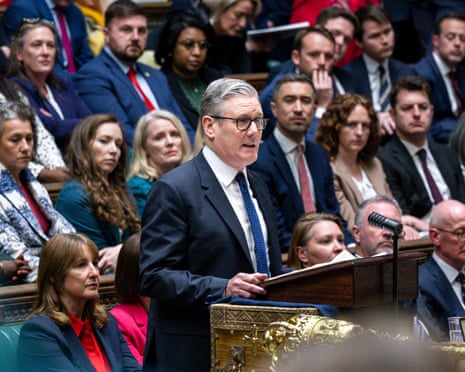
In a high-stakes statement delivered to parliament, Starmer made a dramatic admission that his original decision to appoint Peter Mandelson as Washington ambassador had been fundamentally flawed. This confession came approximately six days after the Prime Minister initially revealed that his chosen candidate for one of Britain's most prestigious diplomatic posts had failed critical security vetting procedures. The revelation has prompted widespread criticism and raised serious questions about the government's vetting processes and decision-making protocols at the highest levels.
The timing of Starmer's parliamentary statement underscores the gravity of the situation facing his administration. By publicly acknowledging the error in judgment regarding Mandelson's appointment, the Prime Minister attempted to take control of the narrative while simultaneously deflecting blame onto Robbins for allegedly impeding transparency. This strategic move was designed to demonstrate leadership accountability while shifting focus toward questions about whether proper oversight mechanisms had been bypassed or compromised during the appointment process.
The Mandelson vetting controversy has become emblematic of broader concerns within the government regarding security clearance procedures and diplomatic appointment processes. Peter Mandelson, a figure of considerable prominence in recent British political history, was proposed as a key diplomatic representative to the United States—a role that carries immense weight in terms of bilateral relations and international strategy. The failure to identify vetting concerns before the public announcement raises troubling questions about the thoroughness and effectiveness of government screening procedures.
Robbins' position as a high-ranking government official has placed him at the center of this unfolding scandal. As someone deeply involved in the machinery of government operations, his alleged obstruction of information represents a serious breach of the transparency and accountability principles that underpin democratic governance. The accusation that he deliberately withheld or obfuscated information about the vetting failure suggests a pattern of conduct intended to shield the government from scrutiny rather than facilitate proper democratic oversight.
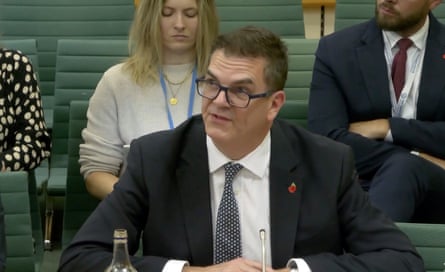
The parliamentary testimony was expected to provide greater clarity on several critical questions that have emerged since the initial revelation. How did the vetting process fail to identify concerns about Mandelson's suitability? What information did various government officials possess regarding the security assessment? At what point in the appointment process were concerns raised, and why were they not immediately communicated to the Prime Minister and the public? These questions underscore the broader significance of the scandal beyond the immediate political ramifications.
The scandal has triggered intense debate about government accountability and the mechanisms through which senior officials are appointed to positions of international significance. In the modern era, where transparency and proper process are considered essential to public trust, the apparent circumvention of standard procedures—or at minimum, the failure to communicate concerns appropriately—has generated substantial criticism across the political spectrum. Opposition parties have seized on the controversy as evidence of governmental mismanagement and inadequate oversight.
Starmer's admission of fundamental error represents an unusual moment of vulnerability for a Prime Minister still relatively early in his tenure. Rather than doubling down on the appointment decision, the PM chose to acknowledge that serious misjudgment had occurred. This approach, while politically risky, was calculated to demonstrate honesty and willingness to accept responsibility—qualities that voters value highly when scandals emerge. However, by simultaneously blaming Robbins for obstruction, Starmer attempted to establish a distinction between his own accountability and the alleged malfeasance of subordinates.
The appointment of ambassadors to major allied nations carries profound implications for British foreign policy and international relations. The role requires not only diplomatic acumen but also impeccable judgment and trustworthiness. When security vetting reveals concerns about a candidate's suitability, the threshold for proceeding with the appointment becomes extraordinarily high. The fact that Starmer proceeded with the Mandelson appointment despite such concerns—or failed to adequately investigate the concerns before making a public commitment—reflects poorly on the government's decision-making processes at the most senior level.
Olly Robbins' alleged role in obstructing the truth raises uncomfortable questions about political culture within government and whether protecting ministerial reputations supersedes the obligation to disclose material information. If Robbins deliberately withheld or misrepresented information about the vetting results, he may face serious professional and legal consequences. The nature and extent of this alleged obstruction will likely become clearer as parliamentary investigations proceed and additional evidence emerges.
The broader context of this scandal includes ongoing concerns about the effectiveness of Britain's diplomatic service and the caliber of individuals selected for representation abroad. Washington, as the seat of American power and Britain's most important bilateral relationship, demands the very best diplomatic talent. Any compromise to the process for selecting the British ambassador to the United States potentially affects the entire nation's standing and influence in international affairs. This consideration amplifies the seriousness of both the initial vetting failure and the alleged subsequent obstruction.
As the controversy continues to unfold, both Starmer and Robbins face considerable scrutiny from parliament, the media, and the public. The Prime Minister's statement and Robbins' forthcoming parliamentary appearance will be scrutinized for consistency with previously available information and for any new details that might emerge. The resolution of this scandal could significantly impact the government's credibility and the individuals directly involved in the decision-making process.
The Mandelson vetting scandal serves as a reminder that even high-performing governments can experience significant procedural failures and moments of poor judgment. How the Starmer administration ultimately resolves this matter—including accountability measures, process reforms, and restoration of public confidence—will substantially influence the government's ability to move forward constructively. The coming weeks and months will be crucial in determining whether this becomes merely a footnote in the government's first term or a defining failure that undermines broader policy objectives and public trust.


