
Supreme Court Halts California's Trans Student Privacy Laws

The US Supreme Court has blocked California laws that limited sharing information about transgender students' gender identity with their parents. This ruling marks a victory for parents who challenged these protections.
In a landmark decision that has sent shockwaves through the education community, the United States Supreme Court has blocked a series of California laws that previously protected the privacy and confidentiality of transgender students in public schools. The ruling marks a significant victory for parents who had challenged these measures on religious and due process grounds.
The emergency request to halt the California privacy protections was granted on Monday, with the decision being made along party lines. The court's three liberal justices dissented, but the conservative majority ultimately prevailed in this highly contentious case.
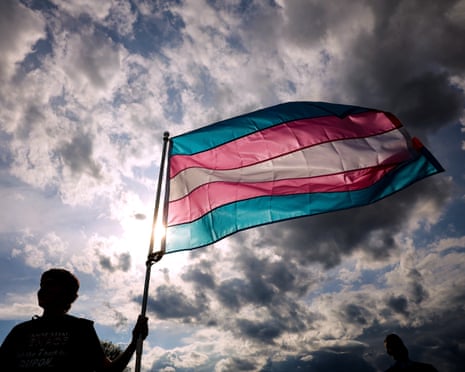
At the heart of the issue are the California laws that limited the sharing of information with parents about the gender identity of transgender students. These measures were designed to create a safe and inclusive environment for LGBTQ+ youth, ensuring they could explore their identity without fear of being outed to family members who may not be supportive.
However, a group of parents challenged these protections, arguing that they violated their religious beliefs and due process rights as parents. They contended that they had the fundamental right to be informed about their children's gender identity and expression.
The Supreme Court's decision to grant the emergency request effectively suspends the enforcement of the California laws, paving the way for schools to potentially share sensitive information about transgender students with their parents, even if the students are not comfortable with that disclosure.
This ruling is likely to have far-reaching implications, not just in California, but across the country. It signals a shift in the legal landscape surrounding the rights of transgender students and the balance between parental rights and the need to protect vulnerable youth.
The dissenting justices, led by Justice Sonia Sotomayor, argued that the court's decision
Source: The Guardian


