
Surging Global Oil Prices Prompt US to Ease Russian Oil Sanctions

The US considers lifting more sanctions on Russian oil as the US-Israel conflict with Iran disrupts global energy markets, sending oil prices skyrocketing.
As the ongoing US-Israel war on Iran and Tehran's retaliatory attacks across the Gulf region continue to upend global energy and transport sectors, the United States is now considering lifting more sanctions on Russian oil. This comes just a day after the US temporarily authorized India to buy from Moscow, as oil prices surge worldwide.
According to US Treasury Secretary Scott Bessent, the new measures are not aimed at easing restrictions on Moscow, but rather addressing the supply disruptions caused by the conflict with Iran. The strait of Hormuz, a critical global oil transport chokepoint, has been virtually halted, further exacerbating the energy crisis.
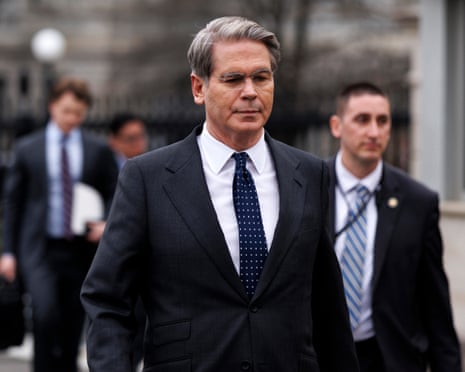
The US-Israel war on Iran has had far-reaching consequences, upending not only the energy sector but the broader global economy as well. With oil prices skyrocketing, the Biden administration is now forced to consider easing sanctions on Russian oil in an effort to mitigate the impact on consumers and businesses worldwide.
Geopolitical tensions and supply chain disruptions have been the driving forces behind the current energy crisis, and the US government's willingness to adapt its sanctions policy reflects the gravity of the situation. As the conflict in the Gulf region continues to unfold, the global community will be closely watching to see how the US navigates this delicate balance between maintaining its stance on Russia and ensuring the stability of the international energy market.
The decision to potentially lift more sanctions on Russian oil highlights the complex and interconnected nature of global politics and economics. As the world grapples with the fallout from the US-Israel-Iran conflict, the US is forced to make difficult choices that could have far-reaching implications for its own foreign policy and the global energy landscape.
Source: The Guardian


