
Swatch Closes UK Stores Due to Massive Customer Demand

Popular watch retailer Swatch shuts multiple UK store locations after unprecedented crowds queue for limited-edition £335 timepiece. Find out which cities are affected.
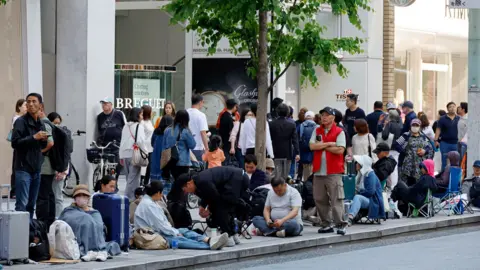
The Swiss watchmaker Swatch has made the unusual decision to temporarily close several of its retail locations across the United Kingdom, citing overwhelming customer demand for a highly anticipated new watch model. The extraordinary measure underscores the considerable appeal of the brand's latest offering and demonstrates the power of consumer enthusiasm in the modern retail landscape. With hundreds of customers forming lengthy queues outside stores, the company determined that temporarily shutting down operations was the most prudent course of action to manage the situation effectively.
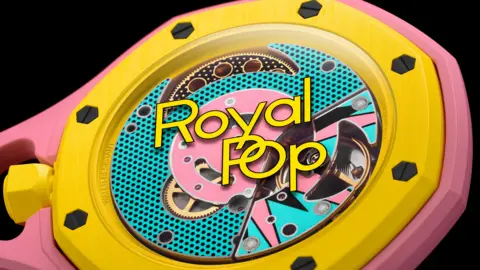
The watch in question carries a retail price of £335, positioning it as a premium offering within Swatch's product lineup. Despite this substantial price point, demand for the timepiece has proven to be exceptional, with customers willing to spend considerable time waiting outside physical retail locations in hopes of securing their own unit. This level of consumer interest suggests that the new model possesses distinctive characteristics or limited availability that have captured the public imagination and driven purchasing intent.
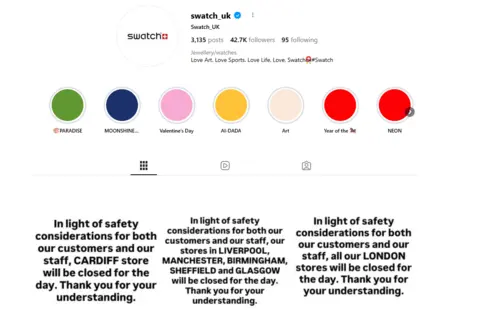
The affected Swatch store locations include branches in several major British cities, reflecting the nationwide scope of the retailer's customer base and the widespread appeal of the new watch model. Cities impacted by the temporary closures include Birmingham, Cardiff, Glasgow, Liverpool, Manchester, and Sheffield, representing a significant portion of the UK's largest urban centers. The decision to close stores simultaneously across these multiple locations indicates that Swatch management determined the situation required coordinated action rather than isolated responses at individual branch locations.
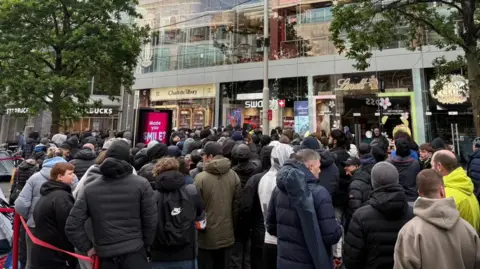
The temporary closure strategy appears to be a deliberate approach to managing the unprecedented demand surge while ensuring customer and staff safety within the retail environment. When retail locations experience such dramatic increases in foot traffic, there are legitimate concerns about overcrowding, inadequate ventilation, and the general wellbeing of both consumers and employees. By temporarily closing stores, Swatch has taken a step back to assess the situation and potentially implement strategies to manage future customer flows more effectively.
Retail demand surges of this magnitude have become increasingly noteworthy in recent years, particularly for limited-edition or exclusive product releases. The phenomenon reflects the broader shift in consumer behavior toward exclusive and collectible items, especially within the watch and luxury goods sectors. Social media amplification and the ability for information to spread rapidly through digital channels have also contributed to heightened awareness and desire for newly released products among enthusiast communities.
The limited-edition watch release appears to have generated significant buzz within Swatch's customer base, possibly due to unique design elements, collaborative partnerships, or restricted availability. Such releases often create a sense of urgency among consumers who fear missing out on the opportunity to purchase before inventory is exhausted. This psychological driver, commonly referred to as FOMO (fear of missing out), has become a powerful marketing tool in contemporary consumer culture and appears to be a significant factor in the current situation.
The decision by Swatch UK retail management to close stores temporarily reflects broader challenges facing physical retail locations in an increasingly competitive marketplace. While online shopping has transformed consumer behavior, brick-and-mortar locations remain important for certain product categories and customer segments. When demand unexpectedly surges, retailers must balance the desire to capitalize on sales opportunities with the practical limitations of physical space and operational capacity.
Customer reactions to the store closures have likely been mixed, with some understanding the safety and logistical rationale while others may have felt disappointed at being unable to access the new product. For those who had already invested time and effort in queuing outside stores, the closure announcements would have been particularly frustrating. However, such situations can also present opportunities for retailers to implement alternative purchasing mechanisms, such as enhanced online ordering systems or scheduled appointment-based shopping experiences.
The incident highlights the continuing relevance of physical retail locations in the modern consumer landscape, even as e-commerce continues to grow in importance. Despite decades of predictions that online shopping would render physical stores obsolete, many consumers still value the ability to visit stores in person, examine products directly, and complete purchases through face-to-face transactions. For luxury and collectible items like watches, this preference appears to be particularly pronounced.
Looking forward, Swatch will likely need to develop more sophisticated strategies for managing demand spikes of this nature. Options might include implementing reservation systems for future limited-edition releases, utilizing queue management technology, or staggering product availability across different store locations and time periods. Such approaches could allow the brand to maintain the excitement and exclusivity surrounding new launches while simultaneously managing the practical challenges that excessive crowding presents.
The temporary store closures also raise interesting questions about inventory management and production planning at Swatch. If demand has far exceeded expectations, the company may need to evaluate whether production volumes were inadequate or whether marketing efforts created unrealistic expectations about product scarcity. Understanding these dynamics will be crucial for the company as it plans future product releases and determines appropriate inventory levels for similar launches.
For consumers interested in obtaining the £335 timepiece, the store closures may prompt them to explore alternative purchasing channels or wait until normal operations resume. In the interim, Swatch's online retail platform and authorized reseller network may experience increased demand as customers seek alternative ways to access the product. The situation demonstrates how traditional retail challenges continue to evolve even in the age of digital shopping and omnichannel retail strategies.
The broader retail industry will likely be monitoring this situation closely, as similar demand surges for limited-edition products continue to occur across various sectors. From sneaker releases to gaming consoles to exclusive fashion collaborations, retailers across multiple industries have grappled with managing unprecedented consumer interest. The lessons learned from Swatch's response to this situation may inform how other retailers approach future high-demand product launches and the strategies they employ to balance customer satisfaction with operational feasibility.
Source: BBC News


