
Swatch Stores Shut Down Again Over Massive Customer Queues

Swatch stores forced to close for a second consecutive day as unprecedented crowds gather for the launch of a £335 pocket watch, raising concerns about retail management.
The Swiss watch manufacturer Swatch has made the difficult decision to close its retail locations for a second consecutive day, citing overwhelming customer demand and safety concerns related to the launch of a new £335 pocket watch. The unprecedented surge in foot traffic has left store managers struggling to manage the crowds that have gathered outside their locations, leading to logistical challenges that extend beyond typical retail operations.
The new pocket watch launch has become a cultural phenomenon, drawing watch enthusiasts, collectors, and curious shoppers in numbers that far exceeded the company's expectations. Long queues have formed outside Swatch retail locations across multiple regions, with customers waiting for hours in hopes of securing one of the limited-edition timepieces. The intensity of demand has raised questions about inventory management and the company's preparation for what turned out to be a major commercial event.
Store closures represent a rare occurrence in the retail sector and typically indicate serious operational challenges. By shutting down for consecutive days, Swatch is attempting to regain control of the situation and ensure the safety and well-being of both customers and employees. This approach, while necessary, also highlights the unpredictable nature of consumer demand and the difficulties that can arise when a product launch generates unexpected levels of interest.

The £335 price point of the pocket watch has not deterred shoppers, suggesting that the product appeals to a broad demographic willing to invest in the Swiss brand's craftsmanship and heritage. Pricing strategies in the luxury watch market often create artificial scarcity, which can drive demand and create a sense of urgency among consumers. In this case, the combination of price, brand reputation, and limited availability appears to have created a perfect storm of consumer interest.
Industry analysts have begun examining what this phenomenon means for retail consumer behavior and brand loyalty in the modern marketplace. The ability of a single product launch to generate such significant attention demonstrates the enduring appeal of Swiss watchmaking and the emotional connection consumers maintain with heritage brands. This kind of organic enthusiasm for a new product is increasingly rare in an era where shopping patterns have shifted significantly toward online platforms.
The closure decision also reflects broader concerns about crowd management and public safety that retailers must consider in the post-pandemic era. Store managers and corporate leadership must balance the desire to capitalize on consumer enthusiasm with the responsibility to maintain safe shopping environments. The need to shut down operations sends a message that customer safety remains a priority, even when doing so results in lost sales opportunities.

Social media has played a significant role in amplifying awareness of the pocket watch launch, with shoppers sharing photos and updates from outside stores. This digital word-of-mouth marketing has proven more powerful than any paid advertising campaign could have been, transforming the product launch into a viral moment. The organic nature of this social media amplification underscores how connected consumers are to brands and how quickly information spreads through digital networks.
Swatch has not yet announced a specific timeline for when stores will reopen or how the company plans to manage the continued demand for the new timepiece. Options being considered likely include limiting the number of customers allowed in stores at any given time, implementing a ticketing or reservation system, or staggering product availability across multiple locations. Each of these approaches carries different trade-offs in terms of customer experience and operational feasibility.
The situation raises important questions about inventory allocation and whether Swatch produced sufficient quantities of the pocket watch to meet anticipated demand. If the company underestimated consumer interest, additional manufacturing may be necessary, though the limited-edition nature of the product may intentionally restrict production numbers. This tension between meeting customer demand and maintaining exclusivity represents a common challenge in the luxury goods sector.
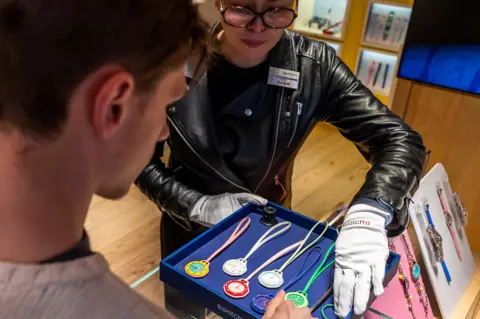
Retailers worldwide have increasingly struggled with managing customer expectations and crowd behavior, particularly when high-demand products are launched. The rise of flash sales, limited-edition releases, and influencer-driven product launches has created a new retail environment where traditional capacity planning methods may prove insufficient. Retail management strategies are evolving to address these challenges, with many stores implementing technology solutions and pre-purchase registration systems.
The closure of Swatch stores represents both a challenge and an opportunity for the brand. While the immediate consequence is lost sales during the closure period, the publicity generated by the queues and store shutdowns has likely increased awareness of the pocket watch among consumers who might not have known about the product otherwise. This type of organic publicity, while unplanned, often proves more valuable than traditional marketing efforts in establishing brand prestige and desirability.
Looking forward, this incident may prompt Swatch and other luxury retailers to reconsider their launch strategies for high-profile products. Future releases may incorporate pre-order systems, online-only availability options, or staged releases across different locations to prevent the concentration of crowds in single stores. Understanding consumer behavior and accurately forecasting demand have become increasingly critical competencies in modern retail management.
The Swatch brand has long positioned itself at the intersection of accessibility and quality, making fine watchmaking available to a broader audience than traditional luxury watch manufacturers. This positioning may partially explain the passionate response to the new pocket watch launch, as customers view Swatch products as excellent value in the watch market. The combination of brand reputation, reasonable pricing for luxury goods, and the inherent appeal of mechanical timepieces has created a loyal customer base eager to support new releases.
As the situation develops, industry observers will be watching closely to see how Swatch manages the aftermath of these closures and what steps the company takes to prevent similar situations with future product launches. The incident serves as a reminder that even well-established brands with decades of retail experience can be caught off-guard by consumer demand. This experience will likely inform strategy decisions at Swatch and potentially influence how other luxury brands approach major product releases in the coming months.
Source: BBC News


