
Sweeping Changes: Hereditary Peers Lose House of Lords Seats

The House of Lords accepts a final bill to abolish hereditary peerages, granting life peerages to some conservatives and cross-benchers in the process.
In a landmark move, the House of Lords has accepted a final draft of the House of Lords (Hereditary Peers) Bill, effectively abolishing hereditary peerages and signaling the end of an era in British politics. This historic decision paves the way for the legislation to be added to the statute book, ahead of the next King's Speech.
The agreement, which was struck after lengthy negotiations, offers life peerages to a select group of Conservatives and cross-benchers who would have otherwise lost their seats in the upper chamber. This compromise seeks to maintain a degree of continuity and institutional knowledge, even as the centuries-old system of hereditary succession is phased out.
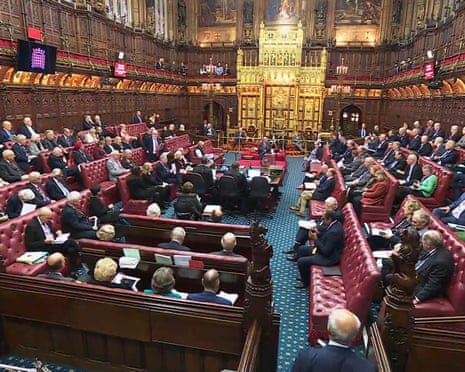
The move to abolish hereditary peerages has been a long-standing goal for many political reformers, who have criticized the anachronistic nature of the system and its lack of democratic legitimacy. Proponents of the change argue that it represents a significant step towards modernizing the House of Lords and enhancing its representational legitimacy.
However, the decision has not been without controversy, with some Conservative peers and supporters of the traditional system voicing their concerns. They argue that the life peerages offered to a select few do not go far enough in addressing the fundamental issues with the upper chamber's composition.
Nonetheless, the passage of the bill marks a significant milestone in the ongoing debate over the future of the House of Lords. As the United Kingdom continues to grapple with questions of constitutional reform and democratic representation, this move may pave the way for further changes to the upper chamber in the years to come.
The acceptance of the final draft of the House of Lords (Hereditary Peers) Bill represents a pivotal moment in the evolution of the British political system, as it ushers in a new era of greater accountability and democratic legitimacy within the upper chamber of the UK Parliament.
Source: The Guardian


