
Tasmania Apologizes for Museum's Stolen Body Parts Scandal

Tasmanian government issues formal apology after investigation reveals 177 human specimens were secretly retained by museum without consent.
The Tasmanian government has issued a formal apology following a damaging investigation that uncovered a troubling historical practice at a major museum in the state. The inquiry revealed that 177 human specimens sourced from dozens of deceased individuals were secretly retained and stored by the institution for years without the knowledge or consent of the families involved. This discovery has sparked significant public outcry and raised serious questions about ethical standards in museums and the treatment of human remains.
The investigation into the stolen body parts scandal was conducted thoroughly and examined decades of museum practices and record-keeping procedures. Researchers found that the specimens had been kept in storage facilities, hidden from public view and away from any official inventory systems. The scope of the retention was far more extensive than previously acknowledged by museum authorities, prompting state officials to take immediate action and express their regret for the institutional failures that allowed such practices to continue unchecked.
Government representatives acknowledged the profound breach of trust and respect that occurred through the unauthorized retention of human remains. The museum body parts scandal represents a significant violation of the dignity and rights of the deceased individuals and their families. Officials emphasized that such practices are completely unacceptable by modern ethical standards and expressed deep sympathy for those affected by this discovery and the historical injustice it represents.
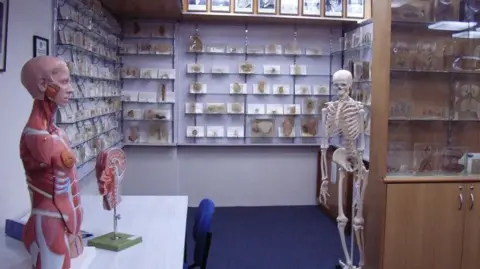
The discovery has prompted a comprehensive review of museum practices across Tasmania and other institutions in the region to ensure similar violations do not occur in the future. State authorities have committed to implementing stricter oversight protocols, enhanced record-keeping systems, and more rigorous ethical guidelines for the handling and storage of human remains. These reforms are intended to prevent future instances of unauthorized retention and to restore public confidence in the state's cultural institutions.
The families of the deceased individuals have been notified of the investigation's findings and the government's apology. Officials have established a formal process for families seeking information about their relatives' remains and have committed to supporting bereaved families through this distressing discovery. Counseling services and support resources have been made available to those affected by the scandal, recognizing the emotional and cultural trauma caused by the unauthorized retention of their loved ones' remains.
This incident has reignited broader conversations about the ethics of specimen collection and retention in museum institutions worldwide. Many institutions have historically collected human remains for research and educational purposes, often without adequate consent or documentation. The Tasmanian case serves as a stark reminder of the need for transparency, accountability, and respect for human dignity in how museums and research institutions manage biological materials.
The museum in question has stated its cooperation with the investigation and has begun the process of returning remains to families where possible and conducting proper burials or cremations according to cultural and religious preferences. Museum leadership has acknowledged the institutional failures that led to the retention of specimens and has committed to cultural sensitivity training for all staff members. These measures represent an effort to rebuild trust and demonstrate a commitment to ethical practices moving forward.
The scandal has also prompted discussions about the colonial history of specimen collection and the disproportionate impact on Indigenous communities. Many of the retained specimens may include remains of Indigenous Australians, whose ancestors were subject to particular exploitation during the colonial period and beyond. This dimension of the issue has intensified calls for a more comprehensive review of how institutions have handled Indigenous remains and the implementation of Indigenous consultation protocols in future decision-making.
Advocacy groups and human rights organizations have praised the government's apology but emphasized the need for sustained action to address systemic issues in institutional practices. They have called for the establishment of independent oversight boards, mandatory consultation with affected communities, and the creation of clear legal frameworks governing the handling of human remains. These recommendations reflect broader concerns about institutional accountability and the need for meaningful reform in how cultural institutions operate.
The Tasmanian government has announced plans to establish a dedicated taskforce to oversee the implementation of reforms and to coordinate with all relevant institutions and stakeholders. This taskforce will work to ensure that recommendations from the investigation are properly executed and that ethical standards are maintained across all government-funded cultural and research institutions. Regular reporting on progress will be made publicly available to ensure transparency and continued accountability.
International observers have noted that this case highlights the importance of reviewing museum practices globally and establishing international standards for the ethical handling of human remains. The scandal serves as an important case study in institutional ethics and the consequences of inadequate oversight and documentation systems. As museums worldwide increasingly face scrutiny over their collections and practices, the Tasmanian example underscores the urgent need for comprehensive reform and the centrality of human dignity in institutional decision-making.
Source: BBC News


