
Teen's Death Ruled Homicide in D4vd Case

Autopsy reveals 14-year-old Celeste Rivas Hernandez died from penetrating injuries. LA medical examiner rules death homicide in high-profile case.
Autopsy findings in the case against singer D4vd have finally come to light, revealing critical details about the death of 14-year-old Celeste Rivas Hernandez. The Los Angeles County Medical Examiner's Office released the comprehensive autopsy report on Wednesday, concluding that the teenager died from penetrating wounds. This official determination marks a significant development in what has become one of the most closely watched cases involving a young victim in recent memory.
The homicide ruling was confirmed in the medical examiner's official documentation, which had been the subject of a prolonged legal battle regarding its public release. Law enforcement officials had previously filed a motion to seal the autopsy results in November, citing ongoing investigative concerns and the sensitivity of the case involving a minor. The months-long delay in releasing this critical information had drawn scrutiny from media outlets and the public, who were eager for transparency regarding the circumstances surrounding Rivas Hernandez's death.
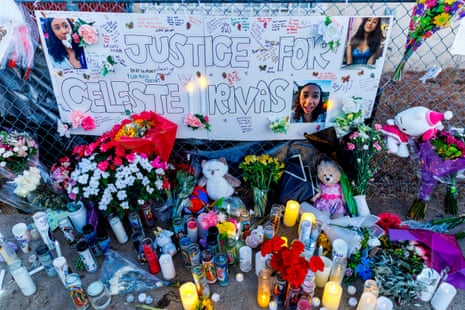
Celeste Rivas Hernandez, identified as a 14-year-old resident of the Los Angeles area, became the focus of this high-profile investigation following her untimely death. The specifics of how the penetrating injuries were sustained will likely play a central role in the prosecution's case against the charged musician. Details surrounding the incident have remained largely confidential due to the victim's age and the active legal proceedings.
The decision by law enforcement to initially request the sealing of the autopsy report raised questions about the investigative strategy and what authorities may have hoped to preserve for trial proceedings. Such requests are not uncommon in high-profile cases, particularly when evidence could influence jury perception or when additional investigative work remains pending. However, the eventual release of the autopsy represents a shift toward greater transparency in the case, allowing the public and legal observers to understand the medical evidence more clearly.
The Los Angeles County Medical Examiner's Office, one of the nation's largest and most respected forensic facilities, conducted the thorough examination of the teenager's remains. The office's determination of homicide as the manner of death is based on comprehensive forensic analysis, including examination of wound patterns, trajectory analysis, and other medical indicators. This conclusion carries significant weight in criminal proceedings and establishes the foundational medical facts upon which prosecutors will build their case.
D4vd, whose legal name and full identity are protected under certain reporting protocols, has been charged in connection with Rivas Hernandez's death. The musician's case has garnered substantial media attention due to his public profile and the tragic nature of the alleged crime. The criminal charges filed against him represent a serious legal matter with potential substantial penalties if conviction is secured at trial.
The process of determining cause and manner of death requires extensive training and expertise possessed by forensic pathologists. The medical examiner's report would have included detailed observations regarding the nature, location, and characteristics of the penetrating wounds that ultimately proved fatal. Such documentation serves as foundational evidence in criminal prosecutions and is carefully preserved to withstand legal scrutiny and expert testimony during trial proceedings.
Prior to the Wednesday release, the autopsy report had remained sealed through legal motions filed by law enforcement, a common practice designed to protect investigative strategies and preserve the integrity of ongoing criminal inquiries. The timing of its release suggests that either the investigative phase has progressed sufficiently or legal requirements mandating disclosure have been satisfied. This development marks an important turning point in terms of public access to information regarding the case.
Victims' families and advocates often press for the release of such reports, arguing that public transparency is essential for maintaining faith in the justice system. In this case, the delay in releasing Celeste Rivas Hernandez's autopsy results had prompted discussions about the balance between protecting investigative integrity and honoring the public's right to information. The eventual release reflects a determination that disclosure would not substantially compromise the prosecution's case.
The penetrating wound determination is clinically specific, indicating that the injuries involved the skin and underlying tissues being pierced by an object or force, as opposed to blunt force trauma or other types of injuries. This classification has significant implications for the investigation and prosecution, as it narrows the potential mechanisms of injury and assists investigators in reconstructing the sequence of events surrounding the victim's death. Understanding the precise nature of injuries is crucial for establishing both what occurred and who may be responsible.
Moving forward, the released autopsy report will likely be subject to scrutiny from defense attorneys, medical experts, and other parties involved in the legal proceedings. Expert witnesses may be called to provide testimony interpreting the findings, and the details contained in the report will presumably form part of the evidentiary foundation in any trial. The homicide determination by the medical examiner essentially establishes that another person's action directly caused the teenager's death, distinguishing this outcome from accidental or natural causes.
This case continues to evolve as legal proceedings move through the court system, with both the prosecution and defense preparing their respective arguments based on available evidence. The release of the autopsy report represents a watershed moment in the public's understanding of the case, providing concrete forensic details about how Celeste Rivas Hernandez met her untimely end. As the case progresses, additional evidence and testimony will likely emerge to further clarify the circumstances surrounding this tragic death.
Source: The Guardian


