
Tennessee Man Wins $835K Settlement After Month-Long Jail Stay

Retired cop Larry Bushart secured an $835,000 settlement after being jailed 37 days for posting a Trump meme, vindicating his First Amendment rights.
In a significant victory for First Amendment rights, retired Tennessee police officer Larry Bushart has secured an $835,000 settlement from the county and sheriff's department that detained him for 37 days. The settlement was reached Wednesday following Bushart's legal challenge against what he characterized as an unlawful arrest aimed at suppressing his political speech and online expression.
Bushart's ordeal began when he posted a Trump-related meme on Facebook, which prompted authorities to arrest and incarcerate him for over a month. The case has become a landmark example of potential free speech violations and government overreach in the digital age. The retired law enforcement officer's experience sparked widespread concern about the boundaries of acceptable online political discourse and the government's authority to prosecute citizens for social media posts.
The Foundation for Individual Rights and Expression (FIRE), a nonprofit organization dedicated to defending constitutional freedoms, represented Bushart throughout the legal proceedings. In an official press release, FIRE confirmed that Bushart had agreed to dismiss his lawsuit in exchange for the substantial monetary settlement, marking a decisive conclusion to the contentious case that captured national attention.
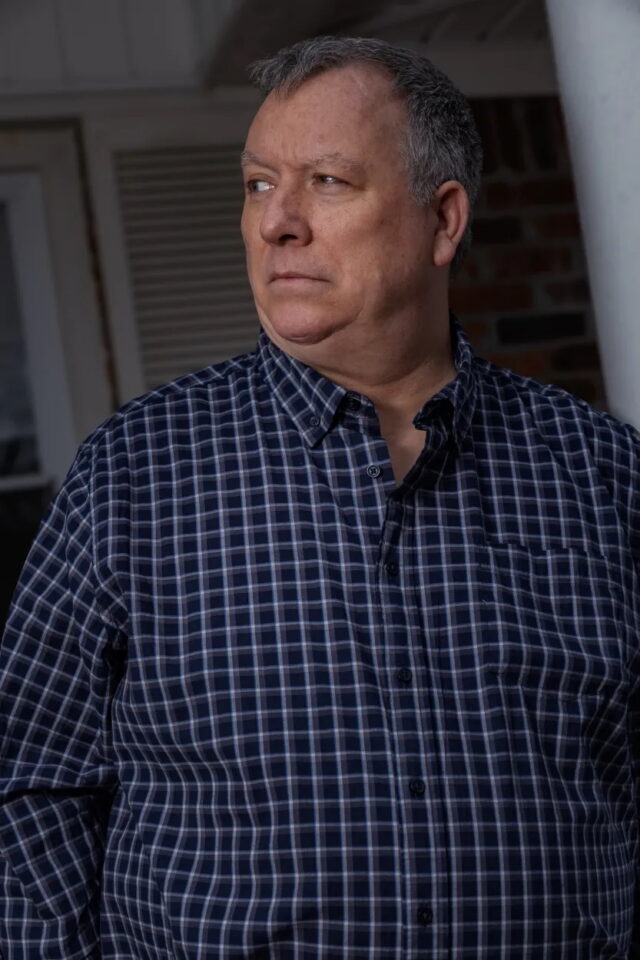
According to the settlement agreement, Bushart's legal team successfully argued that the arrest and extended detention violated his fundamental right to engage in political speech and participate in public discourse. The case highlighted potential dangers of government censorship and the importance of protecting citizens' ability to express themselves online, even when their views are controversial or provocative. Legal experts have noted that the settlement represents a clear acknowledgment of wrongdoing by the county and sheriff's office involved in the arrest.
Bushart's experience began when he posted content related to a Charlie Kirk vigil on social media. What started as what many would consider typical online political banter and commentary escalated into formal charges against the retired officer. The authorities' decision to arrest him for his Facebook post raised immediate questions about whether such enforcement represented an appropriate use of law enforcement resources and whether it crossed constitutional boundaries protecting online political expression.
The 37-day detention period proved particularly controversial, as critics argued that holding someone in custody for an extended period over a social media post represented an extreme and disproportionate response. During his incarceration, Bushart maintained that he had committed no genuine crime and that his arrest was motivated by a desire to silence his political views. The length of his detention added considerable weight to his subsequent legal claims of governmental overreach.
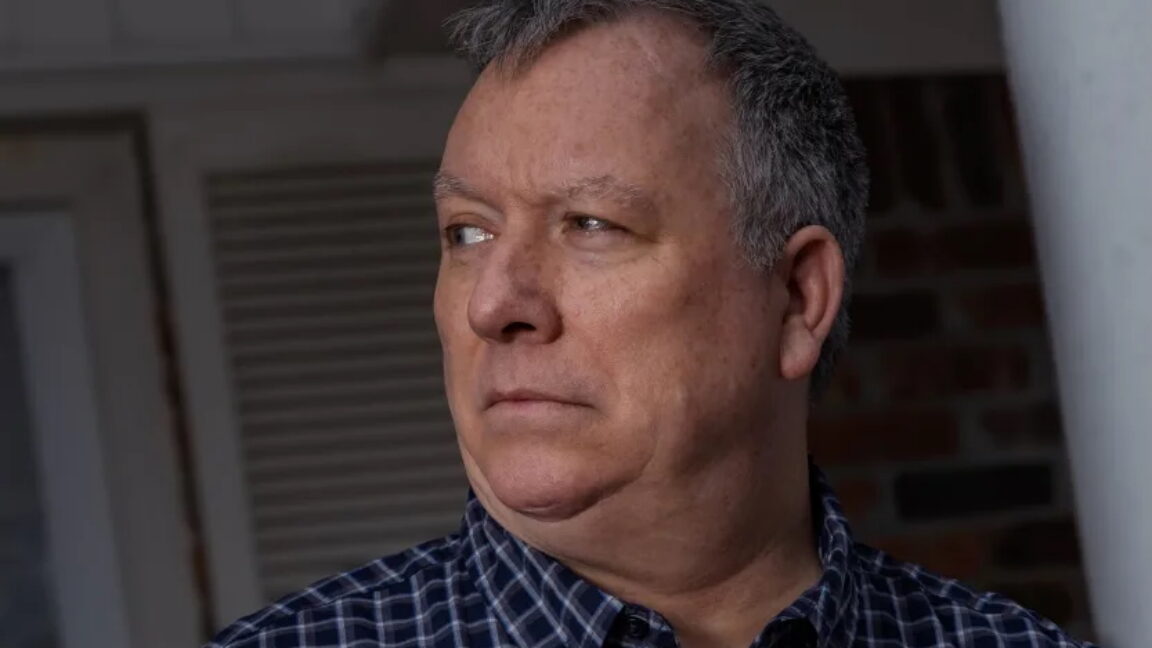
In a statement released following the settlement, Bushart expressed his satisfaction with the outcome and emphasized the broader implications of his case. "I am pleased my First Amendment rights have been vindicated," Bushart stated. "The people's freedom to participate in civil discourse is crucial to a healthy democracy. I am looking forward to moving on and spending time with my family." His words reflected both personal relief at the resolution and a recognition of the case's significance for protecting constitutional protections in the digital era.
The settlement amount of $835,000 represents a substantial financial acknowledgment of the damages Bushart suffered as a result of his wrongful detention. The compensation covers not only the direct costs of his legal defense but also recognition of the emotional, professional, and personal harm caused by the arrest and imprisonment. The figure signals the seriousness with which the county and sheriff's office viewed the constitutional violations that occurred.
FIRE's involvement in the case underscores the growing concern among civil liberties organizations about threats to constitutional freedoms in an increasingly connected world. The organization has made defending digital speech rights a priority, recognizing that social media platforms have become essential venues for political discourse and public debate. Bushart's case exemplifies the types of situations where government action may infringe on citizens' rights to express themselves online.

The case also raises important questions about law enforcement training and accountability. The decision to arrest and jail someone for posting political content on social media suggests either a significant misunderstanding of constitutional protections or, more troublingly, an intentional disregard for them. Moving forward, the settlement may prompt discussions about the need for better training programs to ensure officers understand the legal boundaries of arrest and detention authority.
Legal analysts have noted that Bushart's successful settlement could have implications for other individuals who believe they have been wrongfully arrested or detained for their online speech. The case demonstrates that courts and juries are willing to hold law enforcement accountable when they exceed their authority in attempting to suppress political expression. This precedent may embolden others to challenge similar arrests and may prompt law enforcement agencies to reconsider policies regarding social media-based complaints.
The resolution of Bushart's case comes at a time of heightened national debate about the balance between security concerns and civil liberties. While authorities sometimes argue that online content poses threats requiring investigation, the Bushart case illustrates the dangers of over-reaching enforcement that fails to respect constitutional protections. The settlement sends a clear message that arresting citizens for political speech, regardless of how inflammatory or provocative it might be, violates foundational American principles.
Looking ahead, Bushart's experience and the resulting settlement may influence how similar cases are handled by law enforcement and prosecutorial offices nationwide. The substantial financial penalty imposed through the settlement creates incentives for agencies to think carefully before pursuing charges related to online political expression. Additionally, the national attention surrounding the case has highlighted the importance of vigilance in protecting digital speech rights.
Bushart's case serves as a powerful reminder that in a democratic society, the right to express political views—even controversial ones—remains protected by the Constitution. The First Amendment's protections extend to online platforms and social media, preventing the government from silencing citizens based on their political beliefs or statements. As more Americans express themselves through digital channels, cases like Bushart's will likely become increasingly important in defining the limits of government authority.
The retired Tennessee police officer's settlement represents not just a personal victory but a broader affirmation of constitutional principles in the digital age. His willingness to fight for his rights and FIRE's advocacy on his behalf resulted in accountability for potential governmental overreach. As democratic societies continue to grapple with questions about online expression and government authority, the Bushart settlement will likely serve as an important reference point for discussions about protecting fundamental freedoms.
Source: Ars Technica


