
Thailand Slashes Visa-Free Stay in Crime Crackdown

Thailand ends 60-day visa-free stays for tourists from 93 countries including UK and US, citing rising crime by foreign nationals.
Thailand has announced significant changes to its visa-free travel policies, marking a substantial shift in the country's approach to international tourism. The Southeast Asian nation is dramatically reducing the duration of visa-free stays for visitors from more than 90 countries, including major source markets such as the United Kingdom, United States, and numerous European nations. This policy reversal comes as Thai authorities seek to address growing concerns about criminal activities involving foreign nationals within their borders.
Officials revealed the decision on Tuesday, emphasizing that the measure is designed to curb crime perpetrated by international visitors. The move effectively terminates a 60-day visa-free agreement that had been in place with approximately 93 countries worldwide. This arrangement had previously allowed citizens from these nations to enter Thailand without requiring advance visa approval, streamlining the entry process for millions of potential tourists annually.
The policy adjustment represents a notable pivot for Thailand, a nation where tourism industry contributions form a cornerstone of the national economy. Despite the economic importance of international visitor arrivals, Thai officials believe the new restrictions are necessary to maintain public safety and security. The decision reflects growing frustration among local authorities regarding the need to manage the challenges associated with increased foreign tourist populations.
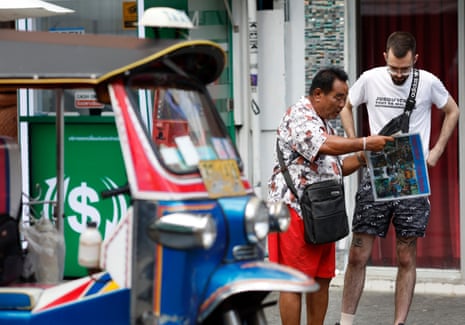
Thailand's tourism sector has faced considerable challenges in recent years, particularly following the COVID-19 pandemic. While the nation has experienced a gradual recovery in international arrivals, current visitor numbers remain noticeably below pre-pandemic levels. The kingdom had relied heavily on the accessibility provided by lengthy visa-free stays to attract spontaneous and budget-conscious travelers who might otherwise choose alternative Southeast Asian destinations.
The financial implications of this policy shift are substantial, given tourism's significant contribution to Thailand's gross domestic product and employment figures. The industry supports millions of jobs across hotels, restaurants, transportation services, and countless other sectors dependent on visitor spending. Prior to the pandemic, Thailand welcomed nearly 40 million international tourists annually, with visa-free access playing a crucial role in making the country an attractive destination compared to regional competitors.
Crime involving foreign nationals has apparently become a sufficiently prominent issue to warrant this drastic policy reversal. Thai authorities have documented various incidents ranging from drug trafficking to fraud schemes perpetrated by international visitors. The government's decision suggests that officials believe stricter entry requirements and shorter permitted stays will enhance their ability to monitor and manage risks associated with foreign tourists.
The specific details regarding the new visa duration limits have generated significant interest among travel industry operators and would-be visitors. Travel agencies, hotel associations, and tourism operators have expressed concern about potential declines in bookings, particularly from visitors who previously appreciated Thailand's hassle-free entry process. Many independent travelers who once relied on visa-free access may now opt for more straightforward alternatives in neighboring countries like Vietnam, Cambodia, or Laos.
This development comes at a time when Thailand is actively competing with other Southeast Asian nations to attract international tourists and foreign investment. The region has witnessed intense competition among countries seeking to position themselves as premier destinations for leisure travel, business conferences, and expatriate relocation. Thailand's restrictive policy shift could potentially disadvantage its competitive positioning, particularly among price-sensitive travelers and digital nomads.
The crime prevention initiative appears to reflect broader security concerns that Thai authorities believe justify the economic trade-offs associated with potential tourism declines. Officials may be responding to specific incidents or criminal networks they believe are associated with visa-free travelers. Public statements from government representatives will likely provide additional context regarding the types of crimes that prompted this significant policy adjustment.
Implementation details regarding how and when the new restrictions will take effect remain crucial for tourism operators and travelers. Questions about whether existing visa-exempt countries will receive different treatment, whether exemptions will apply to certain nationalities, or how the policy will be enforced at border crossings require clarification. The Thai government will need to provide clear guidelines to immigration officers and tourism stakeholders to ensure smooth transition to the revised system.
The affected countries—encompassing much of Western Europe, North America, Australia, and several Asian nations—represent some of Thailand's most valuable tourism markets in terms of both visitor volume and spending patterns. Citizens from these nations typically stay longer and spend more than tourists from other regions. The economic impact of reduced arrivals from these key markets could be substantial for Thailand's tourism-dependent economy.
This policy move demonstrates how security concerns can override economic considerations in government decision-making. Thailand's willingness to potentially sacrifice tourism revenue in pursuit of crime reduction reflects the seriousness with which officials view the matter. The long-term effectiveness of this approach in actually reducing crime by foreign nationals will require careful monitoring and analysis.
Regional implications of Thailand's policy shift are also noteworthy, as other Southeast Asian nations may follow suit or maintain their own more accommodating visa policies to attract redirected travelers. The decision could strengthen competitive advantages for neighboring countries that maintain more lenient entry requirements. Tourism boards throughout the region will likely capitalize on Thailand's restrictions to promote their own destinations as more welcoming alternatives.
Looking forward, stakeholders will monitor how this policy impacts Thailand's tourism recovery trajectory and economic growth. The government must balance its legitimate security interests against the practical need to maintain viable tourism flows. Whether the crime reduction achieved through these restrictions justifies the economic costs will ultimately determine if this policy represents prudent governance or a counterproductive approach to managing international tourism.
Source: The Guardian


