
The Ripple Effects of the Iran Conflict: Insights from Global Leaders

Renowned journalist Faisal Islam explores the perspectives of influential figures on the far-reaching impacts of the Iran-US tensions on the global economy and geopolitics.
Faisal Islam, one of the world's most respected journalists, has been speaking with some of the most powerful individuals across the globe to uncover their insights on the ongoing conflict between Iran and the United States. The ramifications of this geopolitical standoff have far-reaching implications for the international economy, security, and the future of global order.
In his exclusive interviews, Islam has gained valuable perspectives from key decision-makers, including world leaders, top economists, and prominent political analysts. Their assessments shed light on the complex web of factors at play and the potential outcomes of the Iran-US tensions.
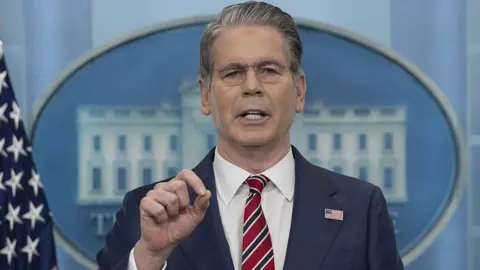
One of the most striking revelations from Islam's discussions is the widespread concern over the potential for a full-blown military conflict. Many experts warn that such an escalation could have catastrophic consequences, with far-reaching shockwaves felt across global markets, energy supplies, and geopolitical stability.
Christine Lagarde, the former Managing Director of the International Monetary Fund (IMF), emphasized the dire economic implications, stating, "A war with Iran would be an unmitigated disaster for the global economy. The disruption to oil supplies, financial markets, and international trade would be devastating."
Similarly, Larry Fink, the CEO of BlackRock, one of the world's largest investment management firms, warned, "The fallout from a military conflict with Iran would be catastrophic. We're talking about the potential for a global recession, a collapse in asset prices, and a prolonged period of instability."
Beyond the economic concerns, Islam's interviews also revealed deep worries about the broader geopolitical ramifications. Angela Merkel, the former Chancellor of Germany, cautioned, "A war with Iran would shatter the fragile balance of power in the Middle East and have destabilizing effects far beyond the region. It would undermine global security and the rules-based international order that we have worked so hard to build."
However, not all the perspectives shared with Islam were purely pessimistic. Some individuals, such as John Bolton, the former National Security Advisor to the US President, argued that a more assertive approach towards Iran could yield positive outcomes, including the potential for regime change and the curtailment of Iran's regional influence.
Nonetheless, the overwhelming consensus among the experts and decision-makers interviewed by Faisal Islam is that the Iran-US tensions pose a grave threat to global stability and prosperity. As the world watches nervously, the decisions made by the key players in this high-stakes geopolitical game will have far-reaching consequences for the entire international community.
Source: BBC News


