
Three Dead as Rescue Boat Capsizes Off Australian Coast

A rescue mission turned tragic when volunteer rescuers' boat capsized in treacherous conditions off the Australian coast, claiming three lives.
A devastating maritime incident unfolded off the Australian coast when a rescue boat capsized during hazardous weather conditions, resulting in the deaths of three individuals. Among the casualties were two volunteer rescue workers aged 78 and 62, whose selfless commitment to saving others ultimately cost them their lives. The tragic event has sent shockwaves through local rescue communities and raised serious questions about safety protocols during extreme weather operations.
The incident occurred when the rescue vessel, operating under challenging circumstances, encountered treacherous conditions that proved too severe for the small craft to navigate safely. Eyewitnesses reported that the boat rolled dramatically during the operation, throwing occupants into the turbulent waters below. Emergency response teams quickly mobilized to the scene, but the severity of the situation and the hostile marine environment complicated immediate rescue efforts for those aboard the stricken vessel.
The two volunteer rescuers who perished demonstrated remarkable dedication to their service roles, having spent years responding to maritime emergencies along the Australian coastline. Their loss represents a profound tragedy within the rescue community, which is built upon networks of dedicated individuals who willingly place themselves in danger to protect others. Colleagues and community members have begun paying tribute to the fallen rescuers, highlighting their contributions to public safety and their unwavering commitment to helping those in distress.
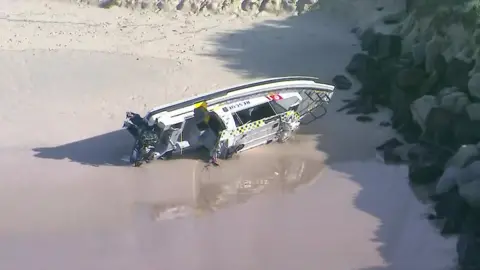
Maritime authorities have launched a comprehensive investigation into the boat capsizing incident, examining factors that may have contributed to the tragedy. Preliminary assessments suggest that the adverse weather conditions were exceptionally severe, with high waves, strong currents, and poor visibility creating an extraordinarily dangerous environment. Investigators are reviewing weather reports, vessel specifications, communication records, and operational procedures to determine whether all necessary precautions were taken before the rescue mission commenced.
The role of volunteer rescue organizations in Australia cannot be overstated, as these dedicated teams provide critical services in coastal and remote regions where professional emergency services may be limited. These individuals train extensively and invest considerable time preparing for emergency situations, all while maintaining other occupations and family responsibilities. The loss of experienced volunteers like those in this incident represents a significant blow to the organizational capacity and expertise within these vital community services.
Local authorities have emphasized the importance of understanding the risks inherent in rescue operations, particularly during severe weather events. While rescue workers are trained to handle dangerous situations, the unpredictable nature of maritime emergencies means that even the most experienced personnel can face situations beyond their capacity to manage safely. This tragedy has reignited discussions about appropriate protocols for determining when conditions are too dangerous to launch rescue missions.
The third fatality in this incident has been identified, though details regarding their role in the operation remain under investigation. This individual may have been a crew member, operator, or another person involved in the rescue effort, and their family has been notified of the tragic loss. Authorities are working to provide comprehensive support to all families affected by this heartbreaking incident and to assist the broader rescue community in processing this collective grief.
Community leaders and government officials have expressed their condolences to the families and colleagues of those who died. Many have called for a thorough examination of maritime safety procedures and for adequate support to be provided to rescue organizations to ensure they have the resources and equipment necessary to conduct operations as safely as possible. The incident has prompted renewed commitment to honoring the sacrifices made by rescue volunteers across the nation.
The specific location off the Australian coast where the incident occurred is known for challenging maritime conditions, particularly during certain seasons when storms and severe weather become increasingly common. Local fishermen and experienced mariners have long understood the dangers of these waters, and the tragedy serves as a stark reminder of the powerful forces at work in the ocean environment. The incident has raised awareness about the importance of respecting maritime dangers and making informed decisions about operations in such areas.
Training programs for rescue personnel are continually evolving to incorporate lessons learned from incidents like this one. Rescue organizations are reviewing their protocols for assessing weather conditions, determining mission feasibility, and deciding when operations should be postponed or canceled. These discussions, though painful, are essential to improving safety standards and preventing similar tragedies in the future while maintaining the capability to respond to genuine emergencies.
The incident has also highlighted the need for enhanced equipment and technology to support rescue operations in hazardous conditions. Many organizations are advocating for investments in improved communication systems, better weather monitoring capabilities, and more stable vessel designs specifically engineered for extreme maritime environments. These technological advances could potentially reduce risks for future rescue operations and save lives of both those in distress and those attempting to help them.
As investigations continue and the community grieves, the legacy of the fallen rescuers will likely inspire further dedication to maritime safety and emergency response excellence. Their sacrifice underscores the profound commitment of rescue workers who dedicate themselves to protecting others despite knowing the inherent risks. The Australian community continues to mourn this tragic loss while recognizing the invaluable service provided by volunteer emergency rescue personnel throughout the nation.
Source: BBC News


