
Tiger Escapes Near Leipzig After Keeper Mauling

A dangerous tiger escaped from a private menagerie in eastern Germany, injuring a keeper. The incident reignites concerns about the 'Tiger Queen's' animal care practices.
A shocking wildlife incident unfolded over the weekend in the quiet eastern German town of Schkeuditz, located near Leipzig airport, when a tiger escaped from a private animal facility. The dramatic events that followed—featuring panicked residents, armed police, and ultimately a tragic outcome—have thrust the controversial world of private big cat ownership into the spotlight once again. The escape has renewed long-standing concerns about the dangerous practices surrounding Germany's self-proclaimed "Tiger Queen" and her controversial private menagerie.
The tiger escape incident began when the powerful feline broke free from its enclosure and roamed dangerously through the residential area, including garden allotments where local residents were tending to their plots. Gardeners working peacefully on their vegetables were suddenly confronted with the terrifying sight of a loose predator in their midst. The situation quickly escalated as frightened residents contacted emergency services, describing the presence of a large, dangerous wild animal in their neighborhood. What had been an ordinary weekend morning transformed into a life-threatening emergency within moments.
When armed police units arrived at the scene, they discovered themselves facing a situation for which they were fundamentally unprepared. Law enforcement personnel typically trained for conventional policing tasks found themselves confronted with a dangerous apex predator that required specialized wildlife expertise and equipment. The mismatch between the threat posed by the escaped tiger and the capabilities of standard police response units highlighted the serious gaps in Germany's infrastructure for handling such exotic animal emergencies. Officers were forced to improvise tactics and procedures in real-time while attempting to manage a volatile and life-threatening situation.

The identity of the tiger's owner would prove to be equally controversial as the escape itself. The animal belonged to a woman widely known in regional media circles as Germany's "Tiger Queen," a flamboyant individual who has built her reputation around operating a private collection of exotic big cats outside the bounds of conventional zoo or sanctuary operations. Her private menagerie has long been a source of local concern and international debate about animal welfare, containment safety, and the appropriateness of private individuals housing dangerous predators in residential areas. The escape served as dramatic, real-world validation of fears that animal rights advocates and safety experts had been voicing for years.
During the chaotic escape and capture operation, one of the facility's animal keepers sustained serious injuries after being mauled by the tiger. The keeper, who works directly with the dangerous animals on a daily basis, paid a steep price for the breach in containment protocols. Medical teams rushed to treat the injured worker, who required emergency care for wounds inflicted by the powerful predator. The keeper's injuries underscored the very real physical dangers inherent in housing and managing apex predators outside of professional zoo environments with proper safety infrastructure.
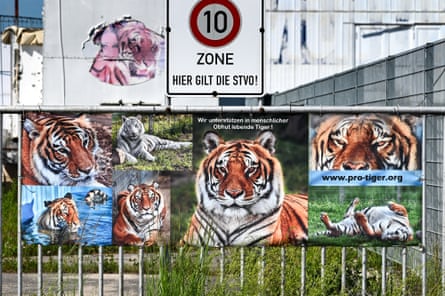
The ultimate fate of the escaped tiger proved tragic. Named Sandokan, the big cat was ultimately killed during the incident, becoming a casualty of a situation that might have been entirely preventable through proper containment, professional management, and adherence to established safety protocols. The death of Sandokan represents not only the loss of an individual animal, but also serves as a stark symbol of the broader failures inherent in private exotic animal ownership. Animal welfare advocates argue that the tiger's death was an entirely foreseeable tragedy resulting from irresponsible animal husbandry practices.
The escape in Schkeuditz is far from an isolated incident. Critics and animal welfare experts have long been deeply concerned about the "Tiger Queen's" operations and the broader phenomenon of private big cat ownership across Germany. These concerns extend far beyond mere aesthetic or philosophical objections to the practice. The safety risks to the public, the welfare implications for the animals themselves, the strain on local emergency resources, and the potential for tragedy are all well-documented issues that have received surprisingly little regulatory attention.
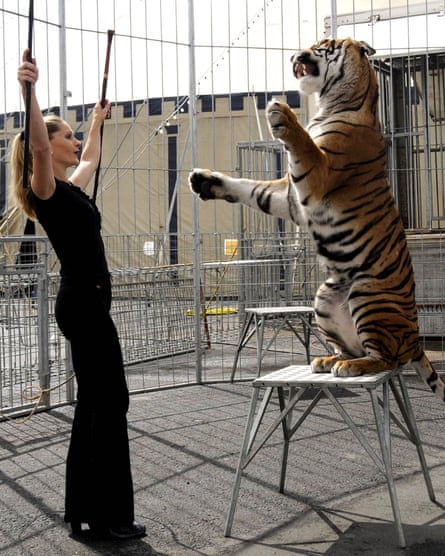
Regulatory frameworks governing private exotic animal ownership in Germany have come under renewed scrutiny following the Schkeuditz incident. Questions are being asked about how such operations are permitted to exist in populated areas, what oversight mechanisms are in place to ensure public safety and animal welfare, and why incidents like the Schkeuditz escape were not prevented through more robust regulatory frameworks. Animal rights organizations are seizing on the incident as an opportunity to advocate for stricter regulations governing the private ownership of dangerous wild animals.
The broader implications of the escape extend beyond the immediate incident itself. This event has reignited important conversations about the ethics of private exotic animal ownership, the psychological and physical well-being of wild animals held in captivity outside professional facilities, and the responsibility that affluent individuals bear when they choose to maintain private menageries. The "Tiger Queen's" operation exists within a gray area of German law that permits such arrangements despite the obvious risks and welfare concerns they entail.
Local residents of Schkeuditz and the surrounding region remain shaken by the experience. The prospect of a dangerous wild predator roaming freely through residential neighborhoods, threatening both human and domestic animal life, represented a shocking intrusion of danger into their daily lives. For allotment gardeners and other community members, the incident served as a stark reminder of how fragile the boundaries are between civilization and wild nature, and how poor decision-making by private animal owners can place entire communities at risk.
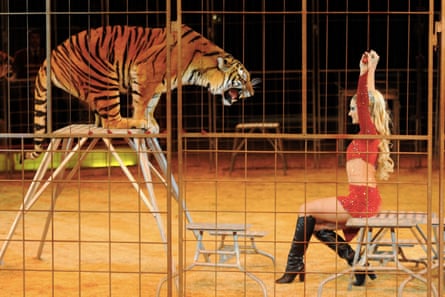
The incident has also raised questions about emergency preparedness and response protocols for exotic animal escapes. Police departments and emergency services across Germany are now reassessing their capabilities and developing better procedures for handling similar situations should they arise in the future. The lack of specialized equipment and training that police units discovered during the Schkeuditz incident represents a systemic gap in emergency response infrastructure that extends across many municipalities.
Going forward, the Schkeuditz incident will likely serve as a critical inflection point in the ongoing debate over private exotic animal ownership in Germany. Animal welfare advocates, safety experts, and concerned residents will undoubtedly use this tragic event to push for legislative reforms and stricter regulatory oversight. The death of Sandokan and the serious injury to the keeper represent real human and animal costs of an unregulated industry that has persisted in a legal and regulatory void. Whether these tragic events will finally prompt meaningful policy changes remains to be seen, but the pressure for reform has never been greater.
Source: The Guardian


